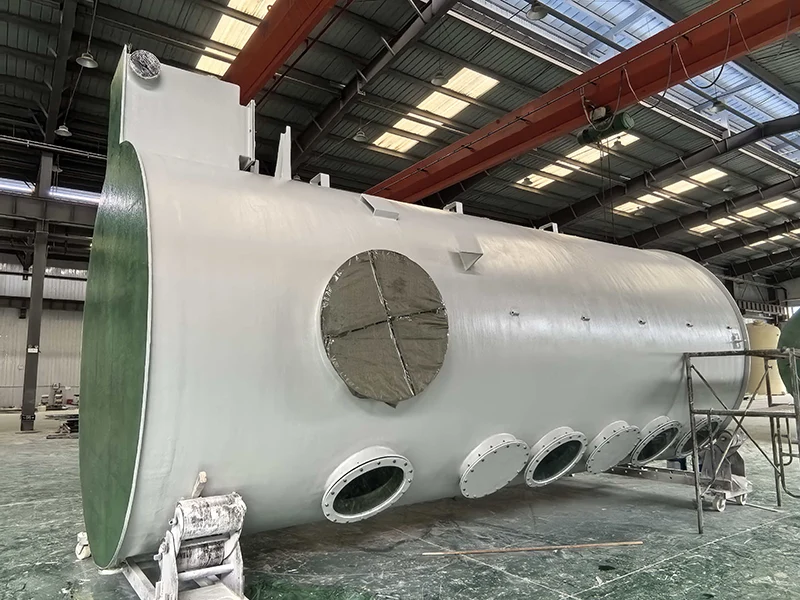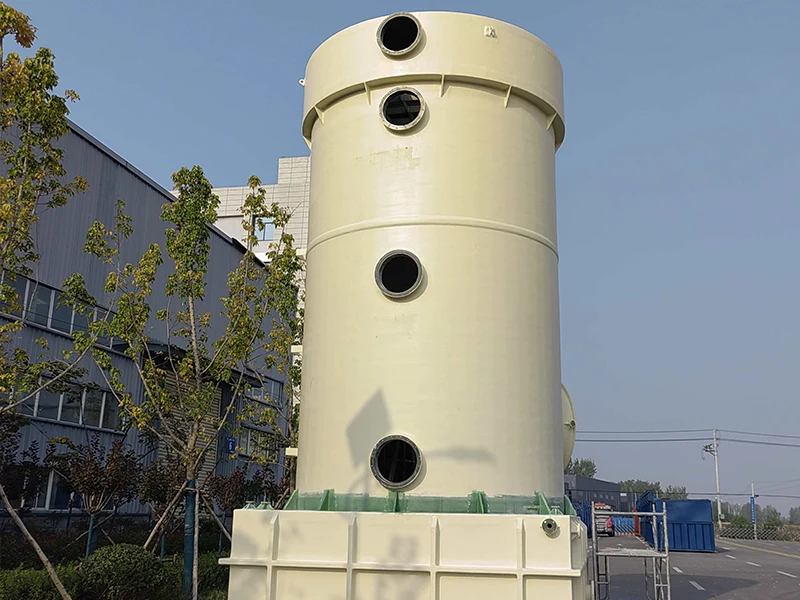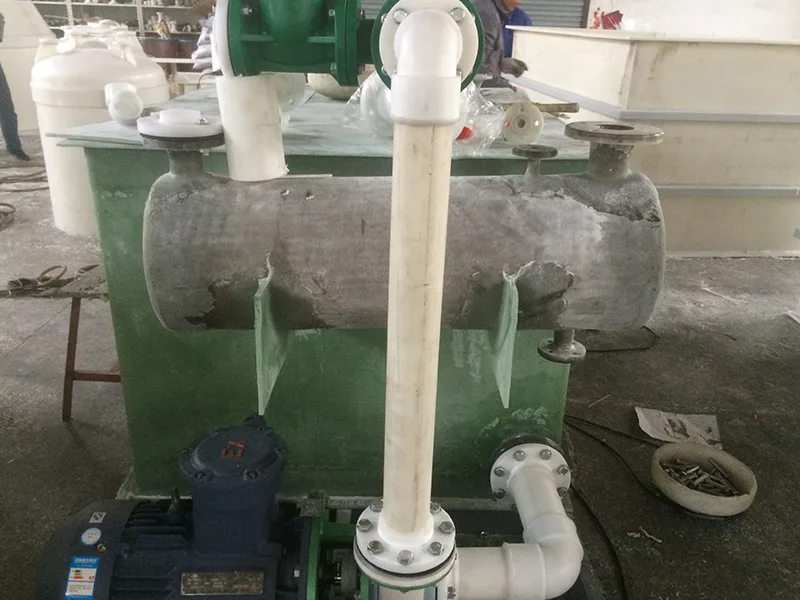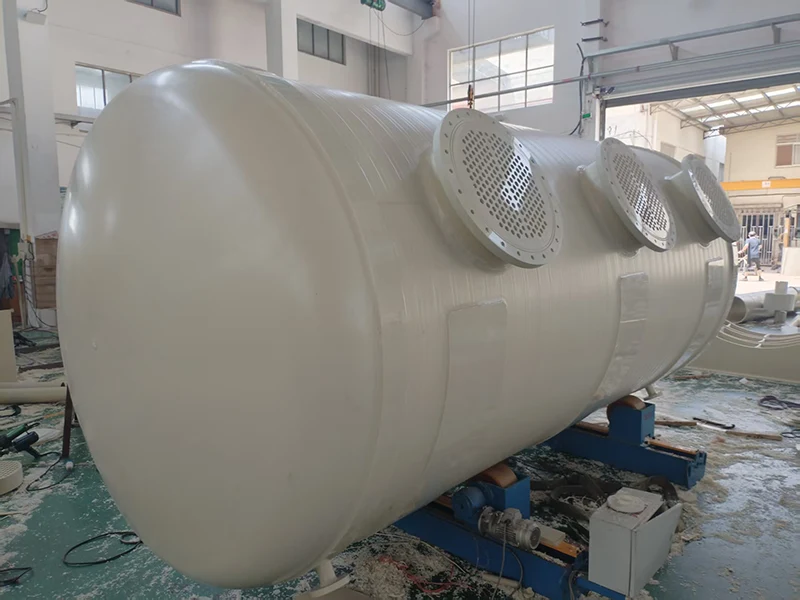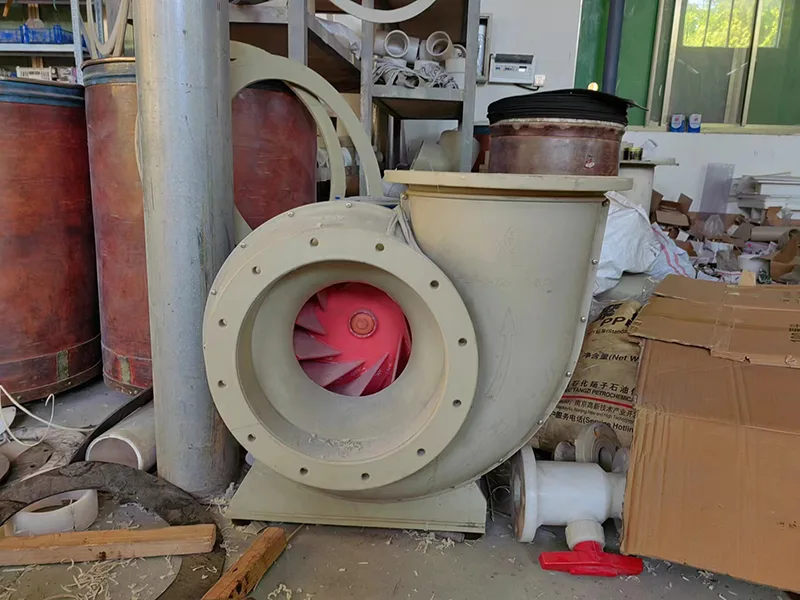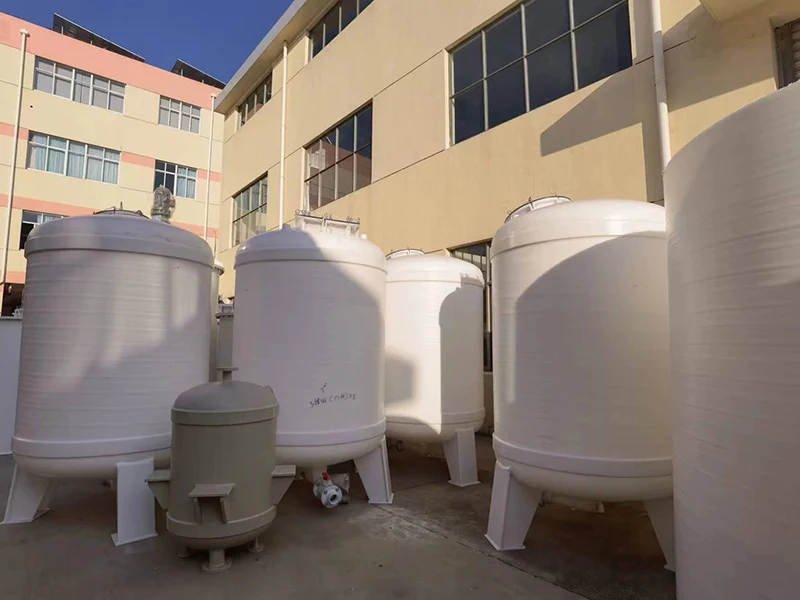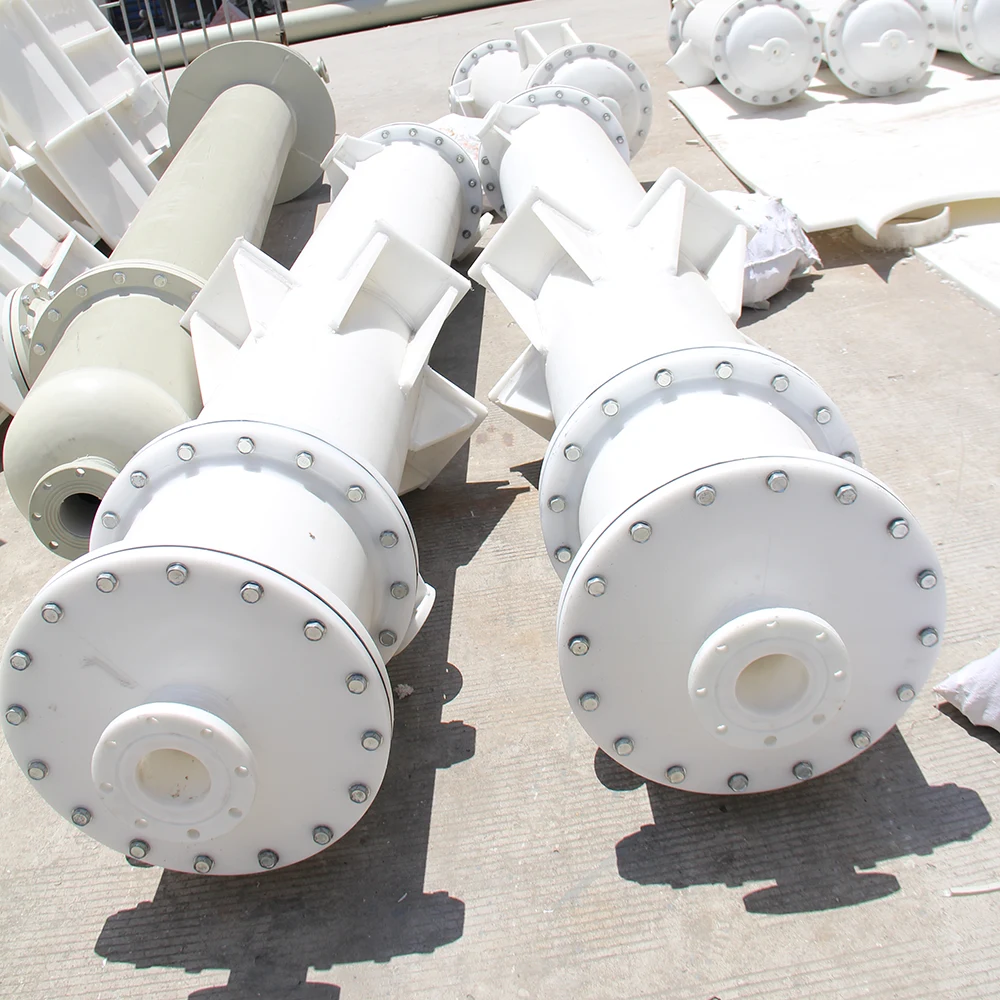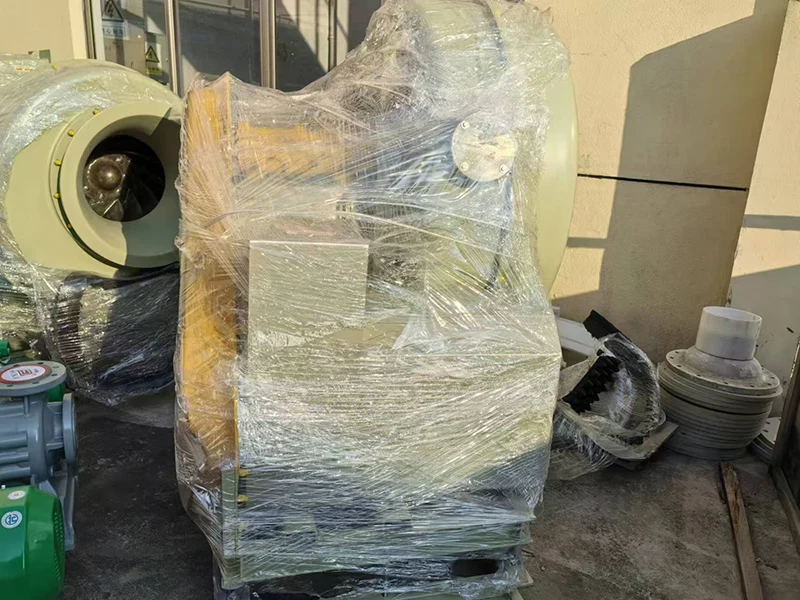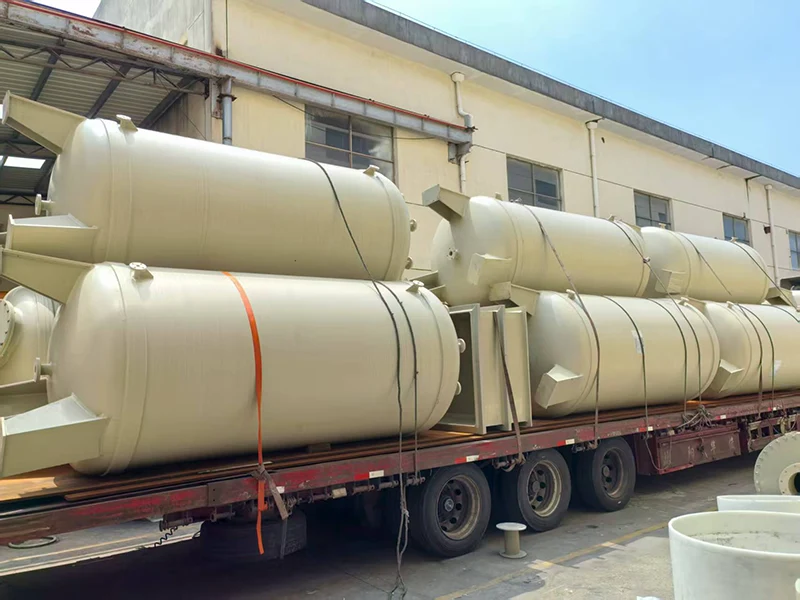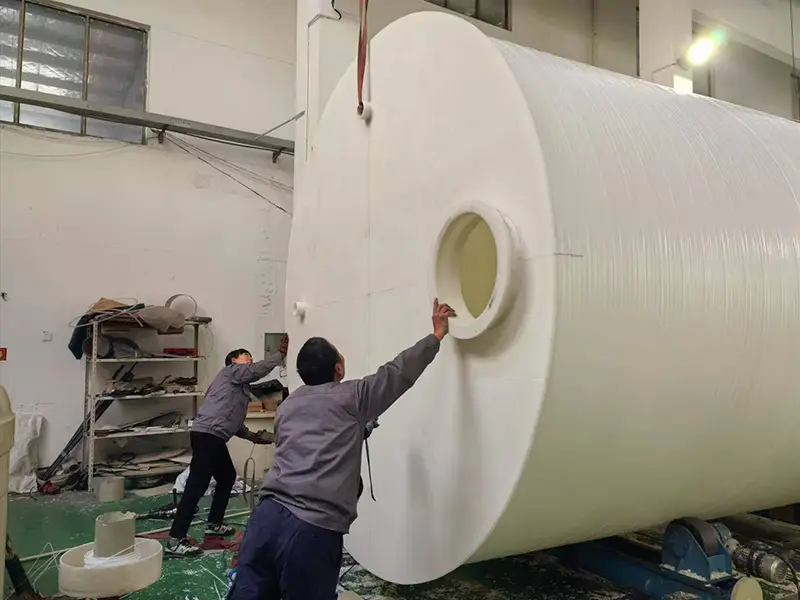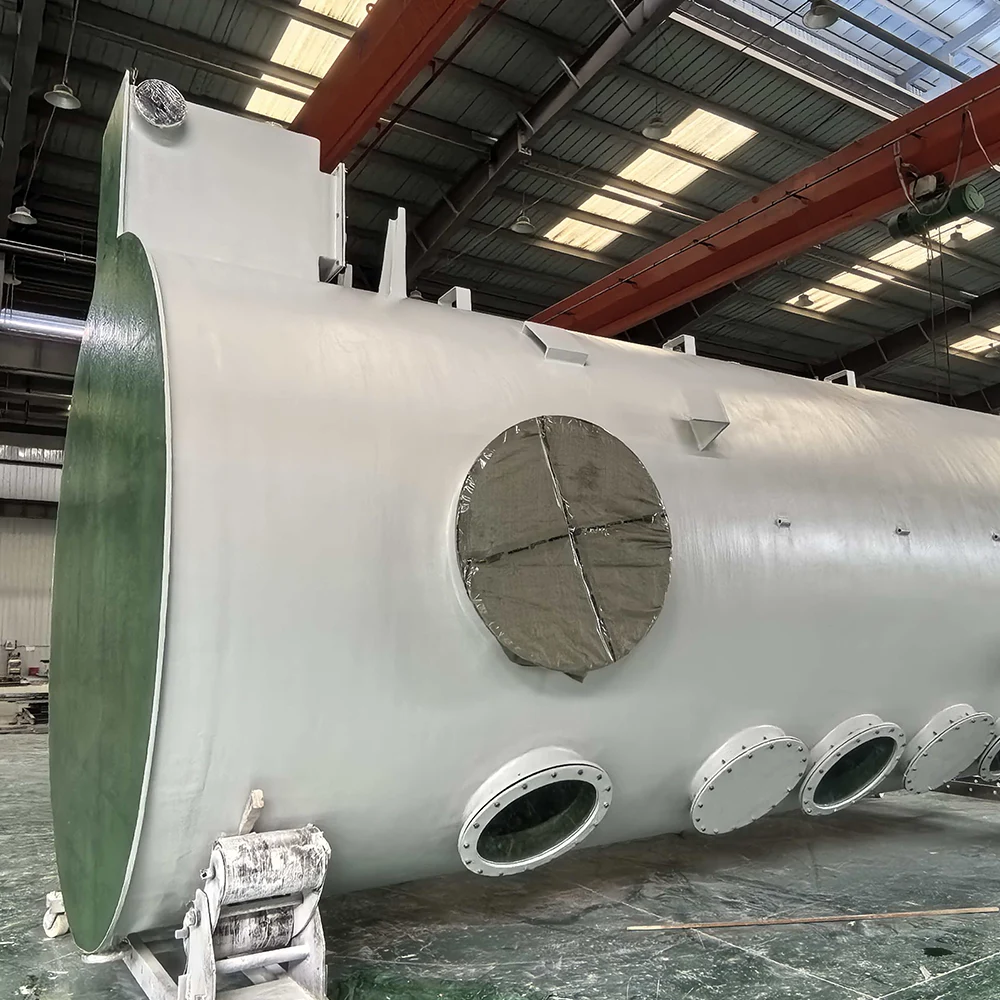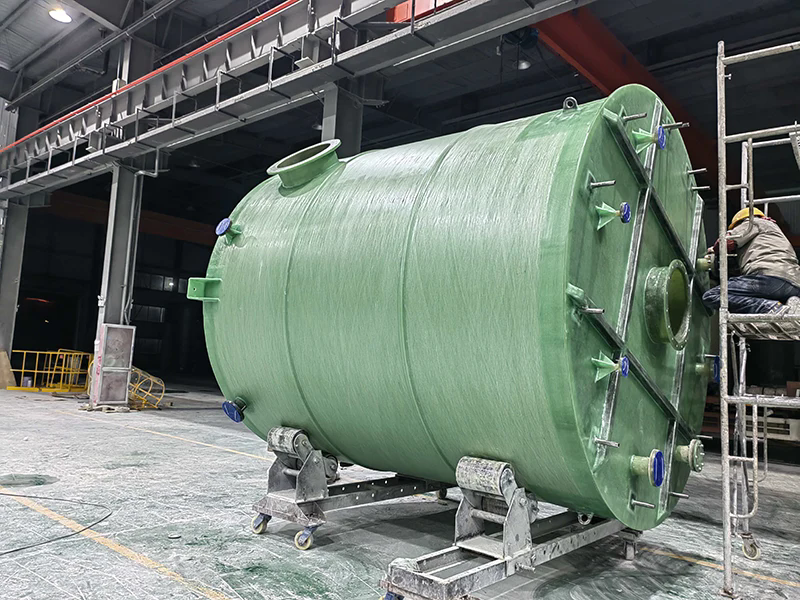
FRP Equipment is widely used in chemical processing, water treatment, and high-corrosion industrial lines due to its lightweight stability and enhanced resistance to aggressive chemicals. As our factory continues to upgrade materials and fabrication methods, the performance of these systems has significantly improved over the past decade. One of the major benefits is the ability to maintain mechanical strength while handling corrosive liquids, fumes, and solids.
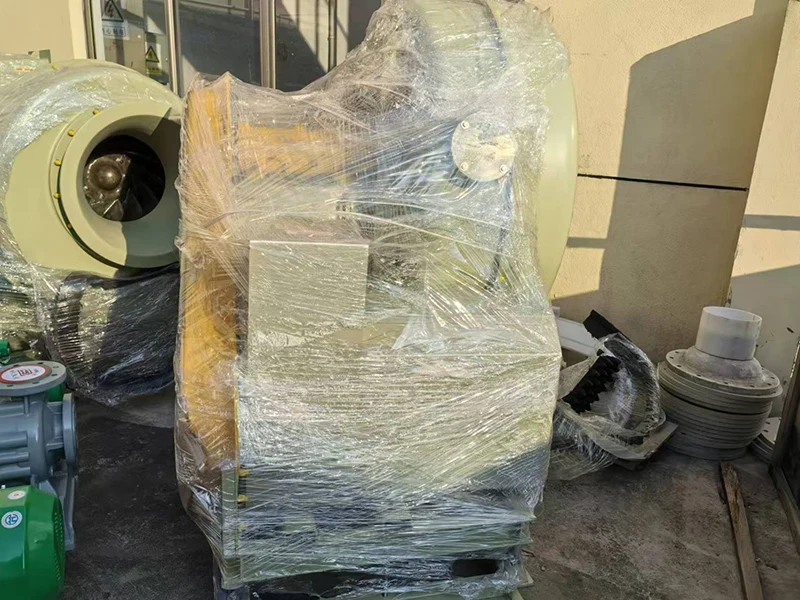
Our engineering team often reminds buyers that proper selection depends on resin formulation, reinforcement structure, winding tension, and operating environment. Below is a parameter set frequently applied in our manufacturing lines at Taicang Xinda Chemical Equipment Factory.
| Resin Type | Vinyl ester, epoxy vinyl, isophthalic polyester |
| Fiber Reinforcement | E-glass filament, chopped strand, woven roving |
| Wall Structure | Multi-layer: corrosion barrier + structural layer |
| Operating Temperature | -40 to 120 degrees Celsius depending on resin grade |
| Typical Applications | Scrubbers, tanks, ducts, pipes, ventilation systems |
Industrial environments involving acids, alkalis, salts, or vaporized chemicals produce continuous degradation on metals and low-grade polymers. When corrosion spreads through a processing line, the economic impact is substantial due to downtime, contamination, or full equipment replacement. Our production group frequently encounters customers who previously relied on coated steel systems, only to discover that the coating failed much sooner than expected.
The advantage of using a fiber reinforced structure is that the corrosion barrier is chemically compatible with process media. Industries such as fertilizer production, dye manufacturing, and semiconductor wastewater treatment rely heavily on composite materials for this reason. Taicang Xinda Chemical Equipment Factory has observed a steady increase in replacement demand from regions upgrading outdated metal equipment.
The improvement stems from a combination of resin chemistry, fiber alignment, and lamination design. Our technicians typically evaluate the pH range, continuous operating temperature, and internal pressure before selecting the appropriate layup schedule. Each layer plays a different role: the corrosion liner resists chemical attack, while the reinforcement layers deliver load-bearing capacity.
In addition, the filament winding process ensures uniform distribution of stress across the structure. This contributes to longer service life and minimizes localized failure zones. FRP Equipment manufactured under controlled curing prevents voids and microcracks, which are known as weak points in harsh chemical applications. Our fabrication standards also emphasize accurate gel time control for stable crosslink density.
| Design Factor | Role in Corrosion Resistance |
| Corrosion Barrier Thickness | Reduces acid and alkali penetration |
| Fiber Orientation | Strengthens mechanical stability against internal pressure |
| Resin Crosslink Density | Improves chemical durability and reduces permeation |
| Surface Finish | Ensures smooth flow and lowers particulate adhesion |
| Curing Process | Prevents internal defects and laminate separation |
Selecting reliable equipment requires matching resin families with chemical exposure patterns. For example, strong acids generally require vinyl ester resin systems, while alkaline-rich environments may allow isophthalic polyester structures. Our design group begins each project by mapping the full operational profile, including transient temperatures or shock loads.
Buyers should request detailed lamination sequences, corrosion barrier specifications, and finishing processes from suppliers. Ensuring that the manufacturer follows standardized curing and inspection procedures is equally important. Our recommendation is to choose suppliers with long-term field data and proven installations, as durability cannot be fully understood from theoretical calculations alone.
How Does FRP Equipment Improve Corrosion Resistance in Daily Industrial Operation?
It improves resistance by combining a chemically tolerant resin system with a multi-layer reinforcement structure that prevents acid and alkali penetration across long-term exposure cycles.
Why Is Resin Selection Important When Using FRP Equipment?
Different resins react uniquely with various chemicals, so selecting an appropriate formulation ensures long-term durability, stable mechanical properties, and predictable corrosion performance.
How Can Buyers Evaluate Whether FRP Equipment Fits High-Temperature Processes?
They should check the resin heat deflection temperature, corrosion liner rating, and recorded service data from the supplier to determine whether the equipment can maintain structural strength during prolonged thermal exposure.
FRP Equipment offers a proven solution for industries seeking reliable corrosion resistance, reduced maintenance costs, and stable long-term performance in chemically aggressive environments. With proper resin selection, controlled curing, and accurate reinforcement design, these systems provide significant operational advantages. Our engineering team focuses on optimizing each layer of the structure to deliver dependable results for diverse industrial processes. Taicang Xinda Chemical Equipment Factory continues to support facilities transitioning from metal systems to advanced composite solutions.
If your operation is considering an upgrade or planning a new installation, contact our factory to receive tailored recommendations and technical guidance. Our specialists can help you evaluate requirements, select the correct structure, and streamline implementation from start to finish.