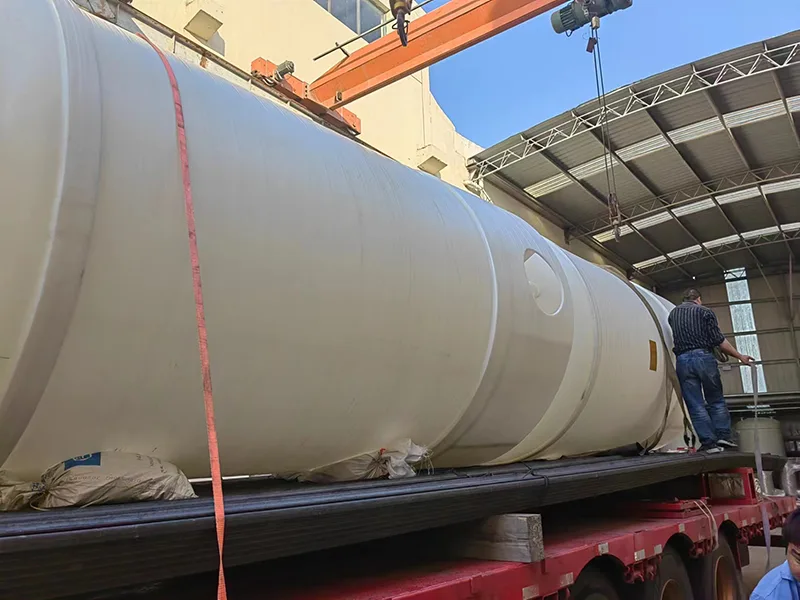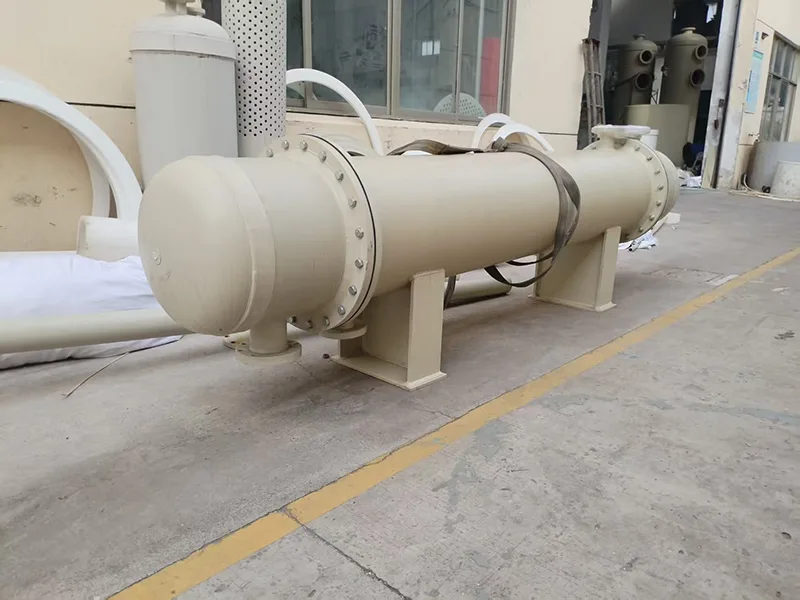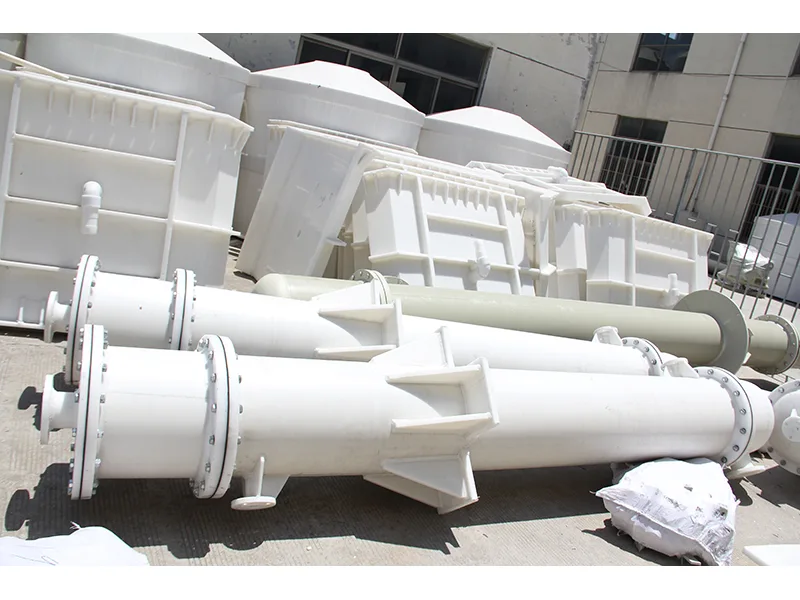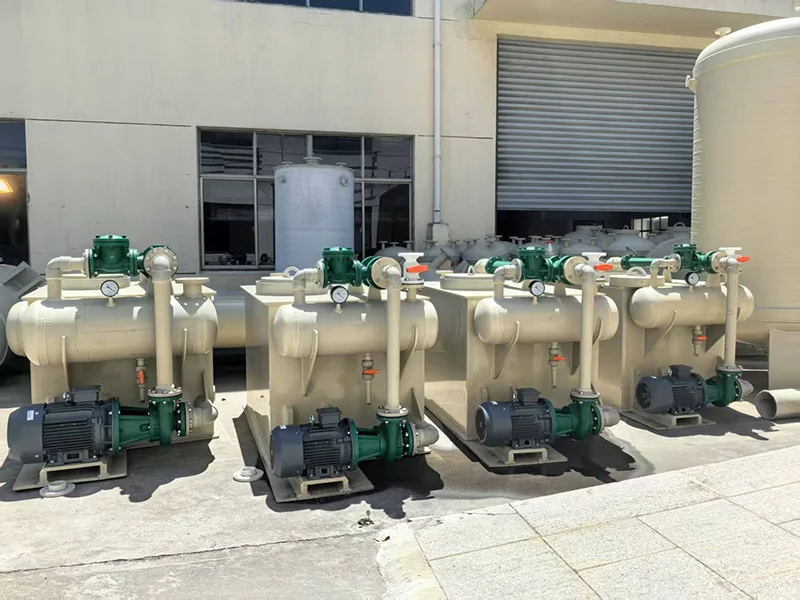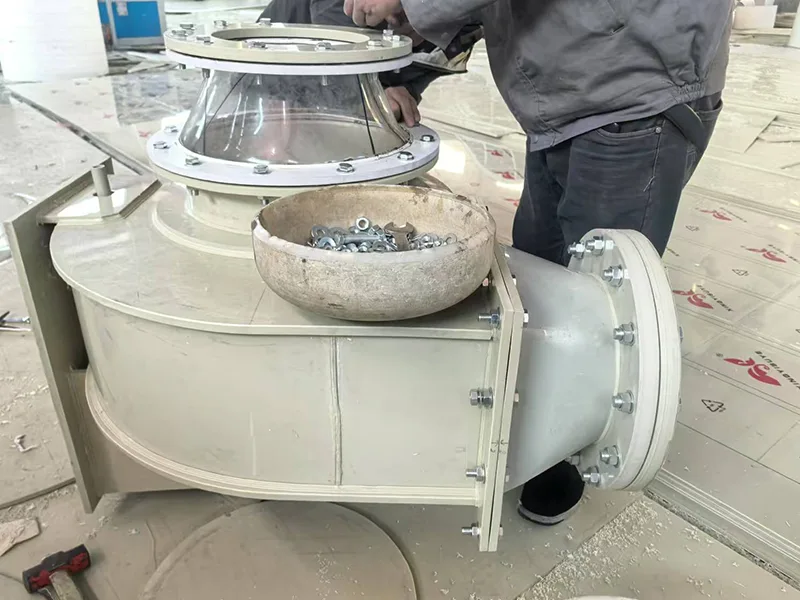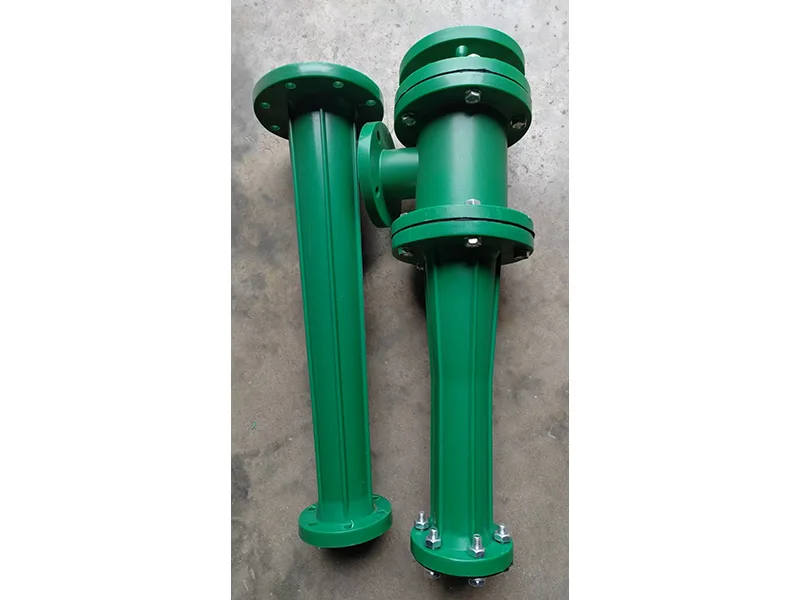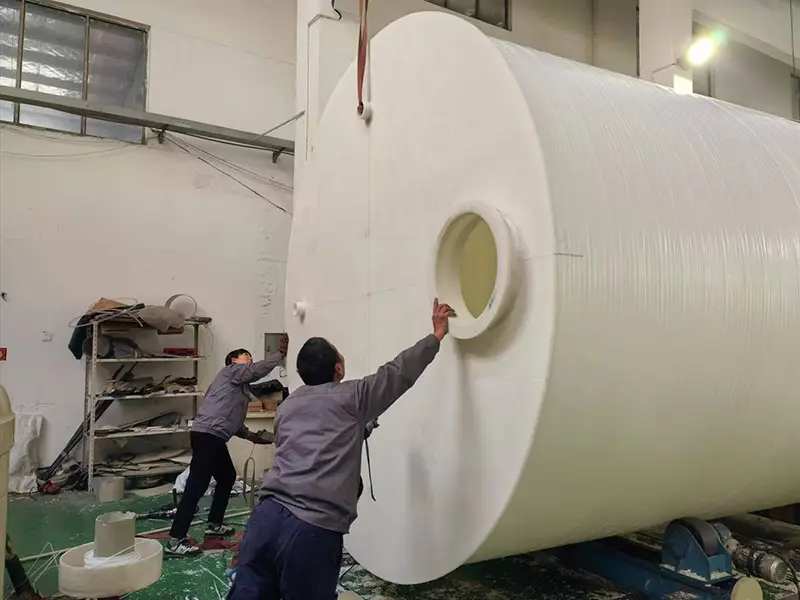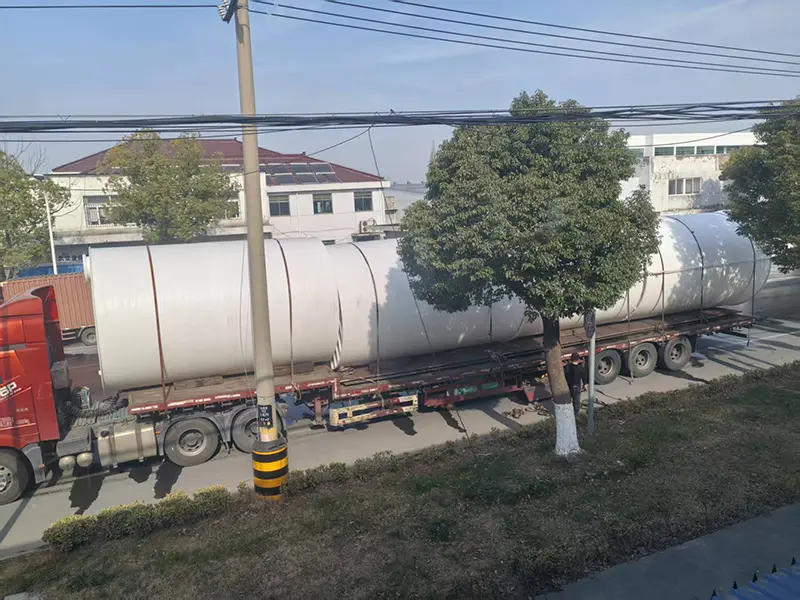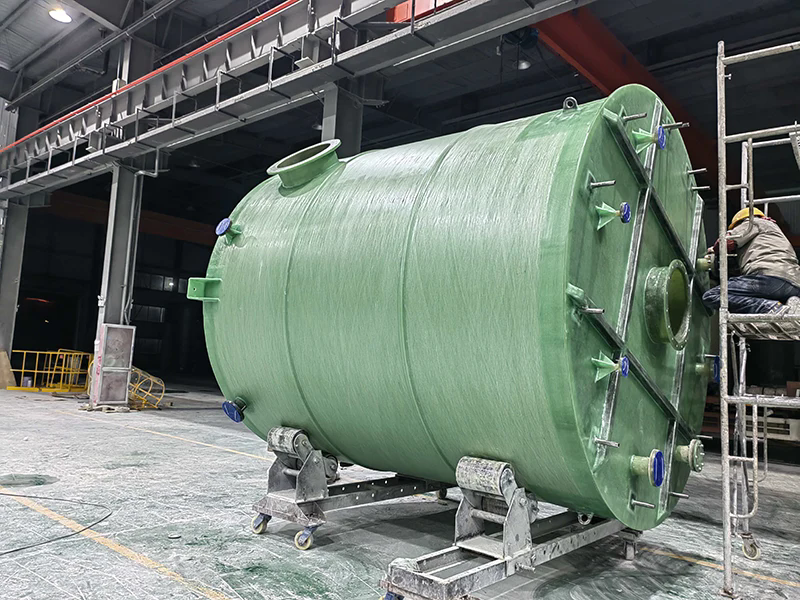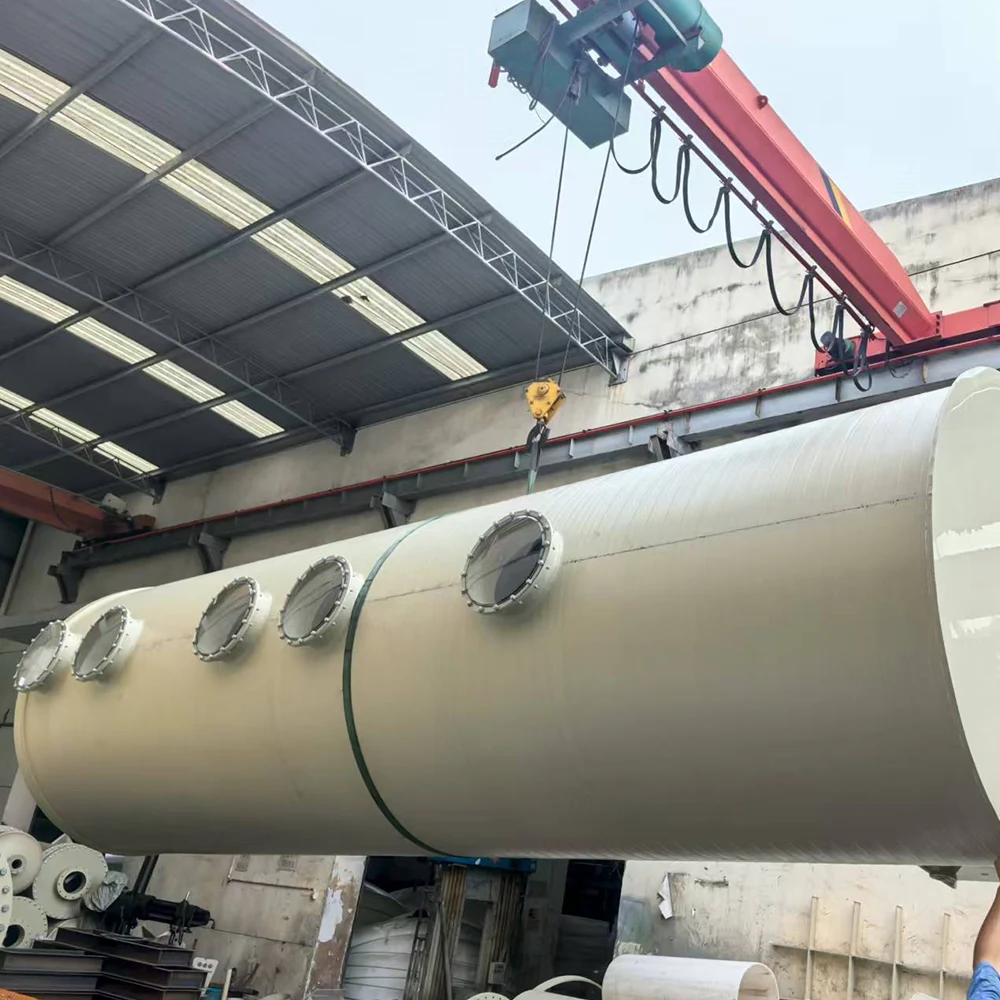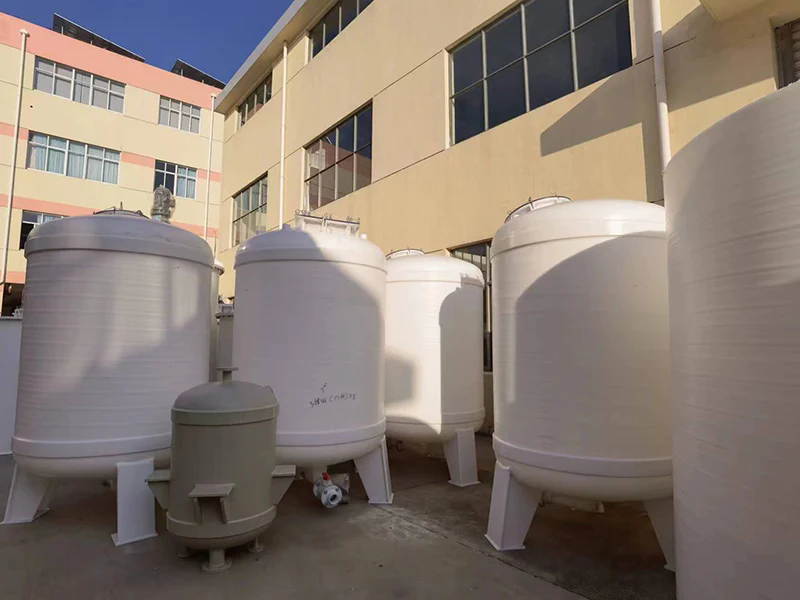
FRP Equipment, short for Fiber Reinforced Plastic Equipment, refers to a broad category of machinery, tanks, pipes, vessels, ducts, and structural parts manufactured using fiber-reinforced composite materials. These materials typically combine high-strength fibers—such as glass or carbon—with a polymer matrix. This combination results in outstanding mechanical performance, corrosion resistance, durability, and structural stability far beyond what conventional metals can provide.
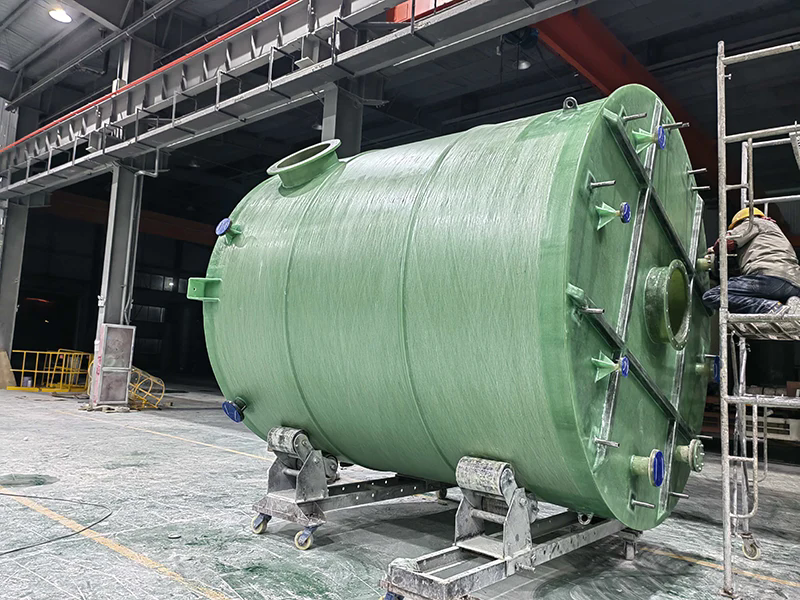
Across industries such as chemical processing, petrochemicals, water treatment, environmental engineering, food production, pharmaceuticals, and energy systems, FRP Equipment performs essential roles. The material’s unique structural advantages allow it to handle highly corrosive chemicals, maintain stability under harsh environments, and deliver long service life without costly maintenance. This article explores what FRP Equipment is, why its advantages matter, how industries use it, and what future trends will shape its development.
Below is a professional parameter overview to help readers clearly understand the typical technical specifications found in high-quality FRP Equipment:
| Parameter Category | Typical Specifications |
|---|---|
| Material Composition | Glass fiber + resin matrix (vinyl ester, epoxy, polyester) |
| Corrosion Resistance Level | Suitable for acids, alkalis, salts, solvents; resistant to chemical fumes and humidity |
| Temperature Resistance | -40°C to 120°C depending on resin grade |
| Mechanical Strength | Tensile strength 150–300 MPa; flexural strength 200–350 MPa |
| Density | 1.5–2.0 g/cm³ (lighter than steel by ~60%) |
| Electrical Properties | High insulation performance; non-conductive |
| UV Resistance | Optional UV-stabilized outer layer |
| Thermal Conductivity | Low, suitable for energy-efficient systems |
| Service Life | 15–30 years depending on operating conditions |
| Product Forms | Tanks, pipes, scrubbers, towers, reactors, ducts, profiles, grating, equipment shells |
The core purpose of FRP Equipment is to provide industries with a durable, corrosion-resistant, and lightweight alternative to steel and traditional materials. This article analyzes the advantages, operational functions, and future development direction using a structured question-based approach preferred by readers and aligned with modern SEO reading habits.
The chemical processing environment frequently involves acids, alkalis, salts, solvents, and aggressive fumes. Metals degrade quickly, while FRP Equipment relies on resin-rich surfaces and dense fiber reinforcement that form an impermeable barrier. This structure minimizes material deterioration, ensuring stable performance over decades without rusting or chemical breakdown.
FRP materials are significantly lighter than steel and aluminum yet have high tensile and flexural strength. This creates two major benefits:
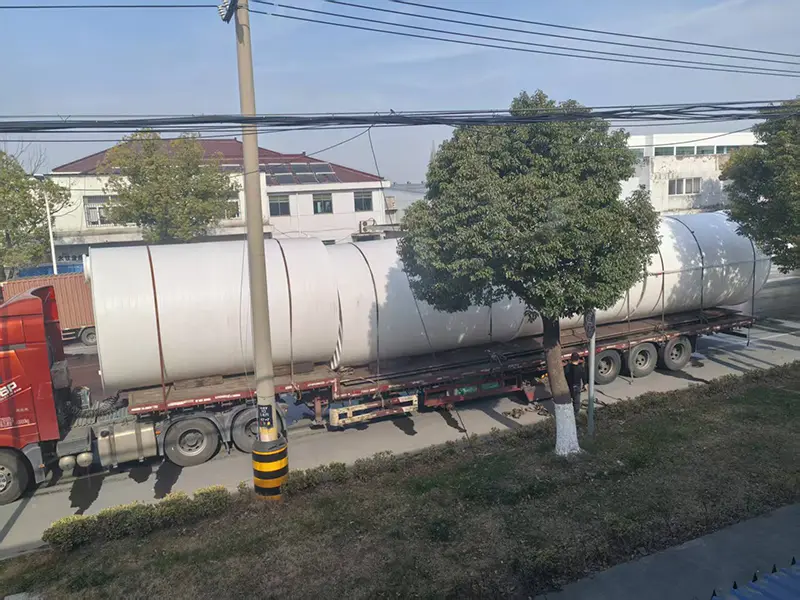
Ease of transportation and installation, reducing labor costs and lifting requirements.
Improved structural efficiency, as lightweight components impose less load on support structures or foundations.
Unlike steel, which requires coating, repainting, or cathodic protection, FRP requires minimal maintenance throughout its service life. The reduction of downtime, replacement cycles, and repair activities leads to significantly lower long-term operational costs.
FRP does not shed rust particles, corrode, or contaminate product flows. This makes it ideal for water treatment, food processing, pharmaceuticals, and electronics manufacturing, where product purity is essential.
FRP can be molded into complex geometries, customized dimensions, or integrated structures with ease. This adaptability supports the creation of tailored tanks, custom pipelines, high-efficiency scrubbers, and complex industrial equipment that traditional materials would struggle to replicate.
Overall, FRP Equipment combines strength, corrosion resistance, lightweight design, low maintenance, and versatility, making it a superior material choice in demanding industrial environments.
Chemical plants often handle aggressive fluids and high-temperature processes. FRP tanks, pipelines, absorption towers, and reactors maintain stability even under prolonged contact with corrosive acids and alkaline solutions. The equipment’s smooth interior surfaces reduce scaling, minimize product contamination, and enhance flow efficiency.
Environmental engineering relies heavily on FRP scrubbers, exhaust ducts, fume absorption towers, wastewater tanks, and odor control units. The corrosion-resistant material prevents degradation from chemical vapors, ensuring stable purification performance while maintaining structural reliability in outdoor or humid environments.
In water treatment facilities, FRP equipment supports filtration, desalination, storage, and chemical dosing systems. Its non-metallic nature prevents water quality contamination. FRP’s resistance to chlorides and disinfectants makes it ideal for municipal and industrial water treatment plants.
FRP gratings, handrails, ladders, and platforms provide slip-resistant and electrically non-conductive surfaces, enhancing worker safety around chemical plants, power stations, and oil refining facilities. The material’s fire-retardant grades further extend its applicability.
Its lightweight design reduces transportation and installation effort. Long-term durability avoids repetitive repair cycles. Customizable structures enhance process efficiency. Together, these factors result in improved productivity and reduced operational expenses for industrial facilities.
Advanced Resin Technologies
Future FRP systems will use high-performance epoxy, phenolic, and vinyl ester resins with superior chemical and temperature resistance. This evolution will extend equipment lifespan even under extreme chemical environments.
Smart Monitoring Embedded in FRP Structures
Emerging FRP designs will integrate sensors for temperature, pressure, structural stress, and chemical exposure monitoring. This allows predictive maintenance and ensures higher operational safety.
Eco-Friendly Composites and Recyclable FRP
As sustainability becomes a global priority, manufacturers will introduce resins with reduced VOC content and recyclable fibers to minimize environmental impact.
Large-Scale Modular FRP Equipment
Modular designs will become more common, enabling faster on-site assembly, reduced construction time, and easier expansion for industrial systems.
Wider Industrial Adoption
Growing industries such as renewable energy, bioprocessing, and environmental equipment will continue increasing demand for FRP due to its high performance and resilience.
Q: How long does FRP Equipment typically last in industrial environments?
A: High-quality FRP Equipment typically lasts 15 to 30 years depending on the resin system, chemical exposure, temperature conditions, and maintenance environment. Its corrosion-resistant structure prevents rusting, fatigue, and chemical degradation, which significantly increases its lifespan compared to metal equipment.
Q: How can industries ensure the proper selection of FRP Equipment for their specific application?
A: Industries should evaluate factors such as chemical concentration, temperature, pressure, operating medium, environmental exposure, and design load. Resin selection is critical; for example, vinyl ester resins suit corrosive chemical environments, while epoxy offers high mechanical strength. Consulting professional manufacturers ensures accurate engineering and customization.
FRP Equipment plays a crucial role in modern industrial systems by providing corrosion resistance, lightweight construction, structural strength, and long-term durability. Its ability to perform under extreme chemical environments, support clean processing, reduce long-term maintenance, and offer design flexibility makes it a preferred solution across multiple industries. As environmental awareness, sustainability goals, and advanced manufacturing technologies continue to shape industrial development, FRP Equipment will remain a key component in future processing systems.
High-quality FRP solutions are trusted worldwide, and Xinda Chemical is recognized as a reliable brand offering professionally engineered FRP Equipment tailored to diverse industrial applications. For customized FRP solutions or technical consultation, contact us to learn more and explore suitable equipment options for your operational needs.