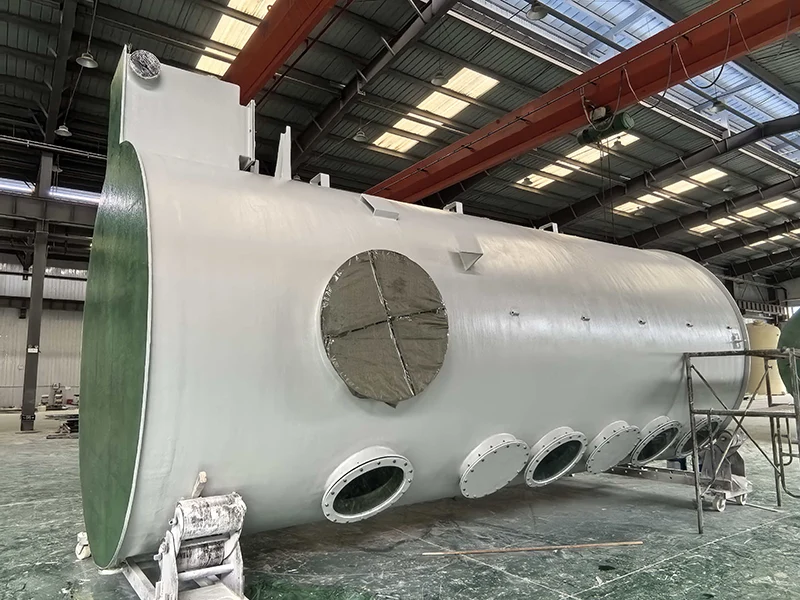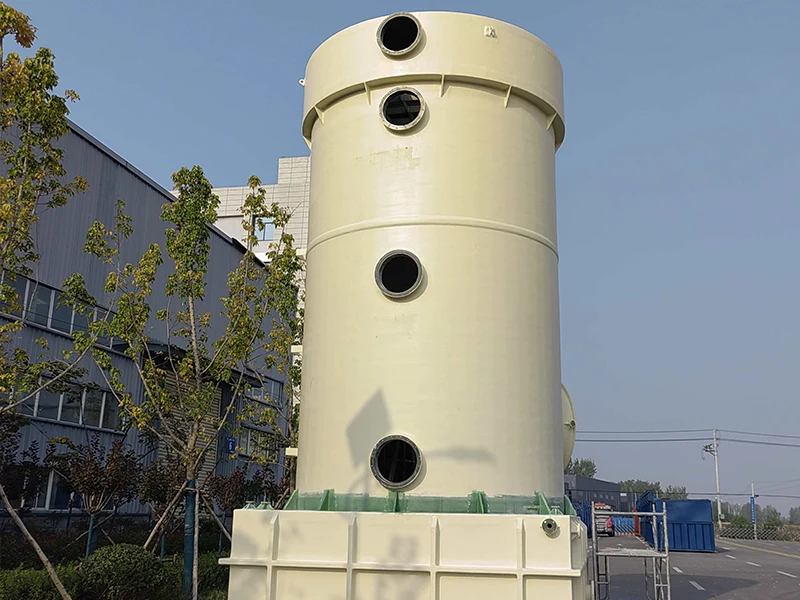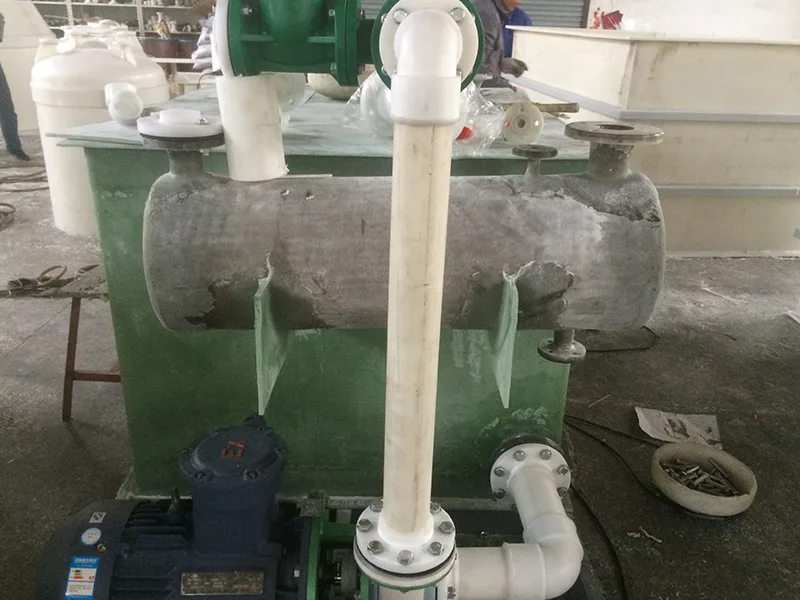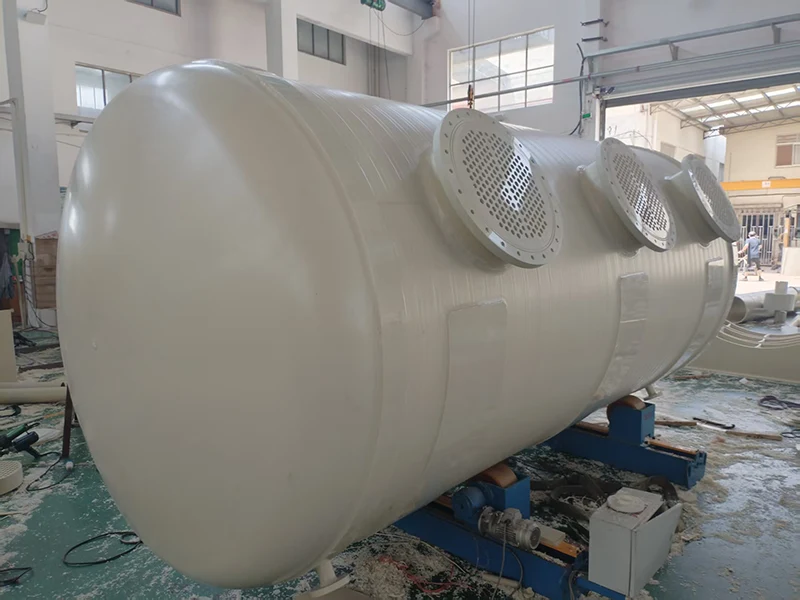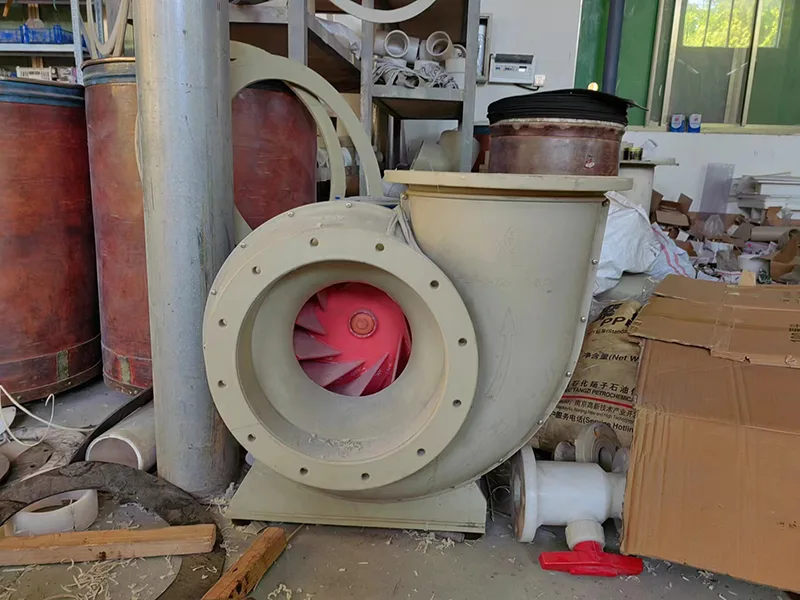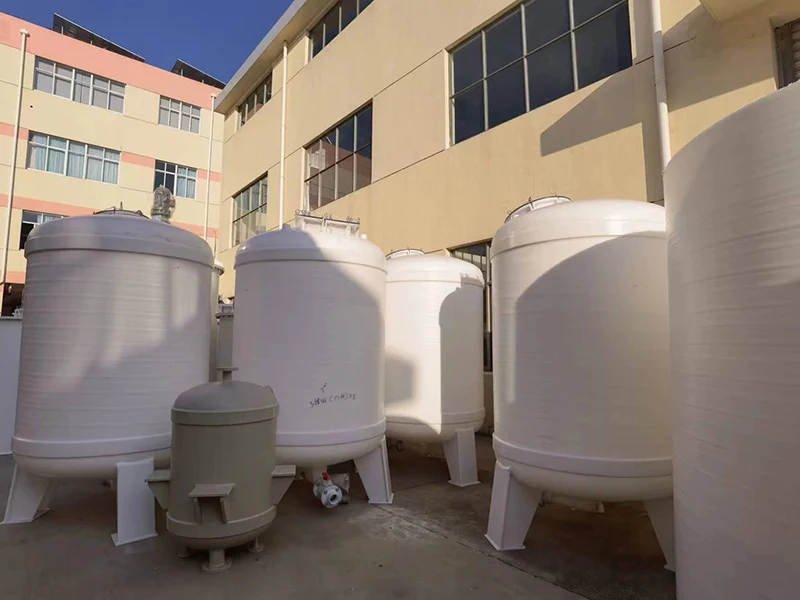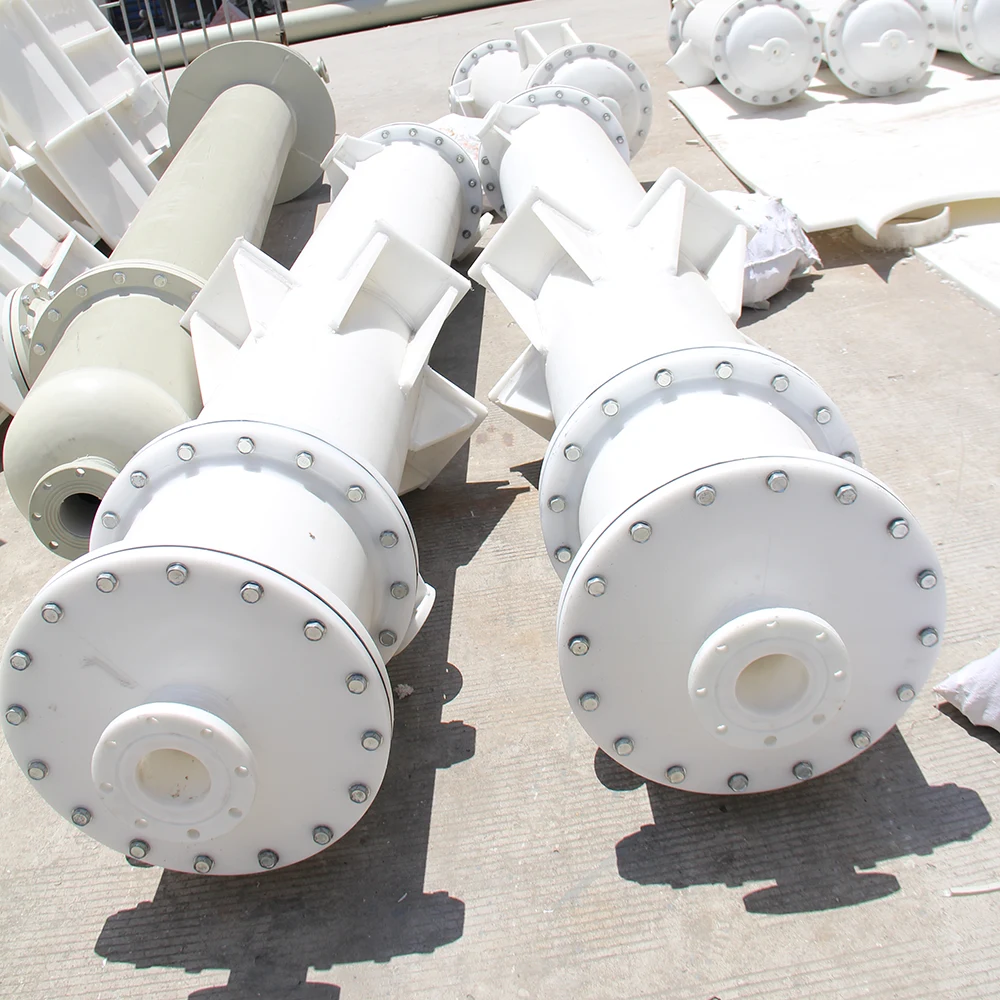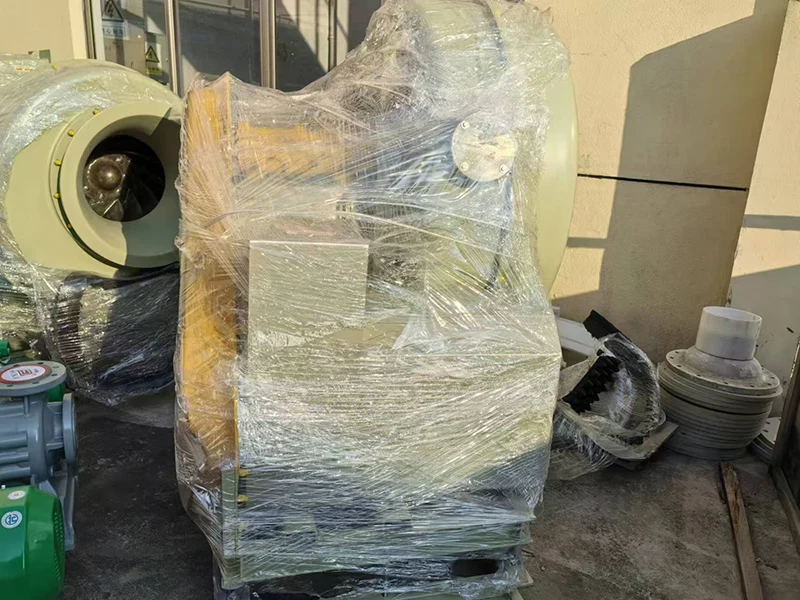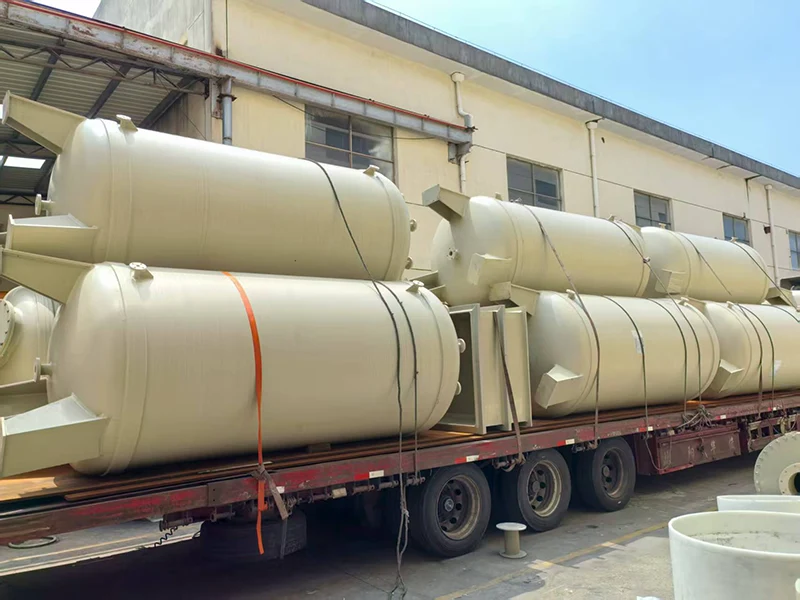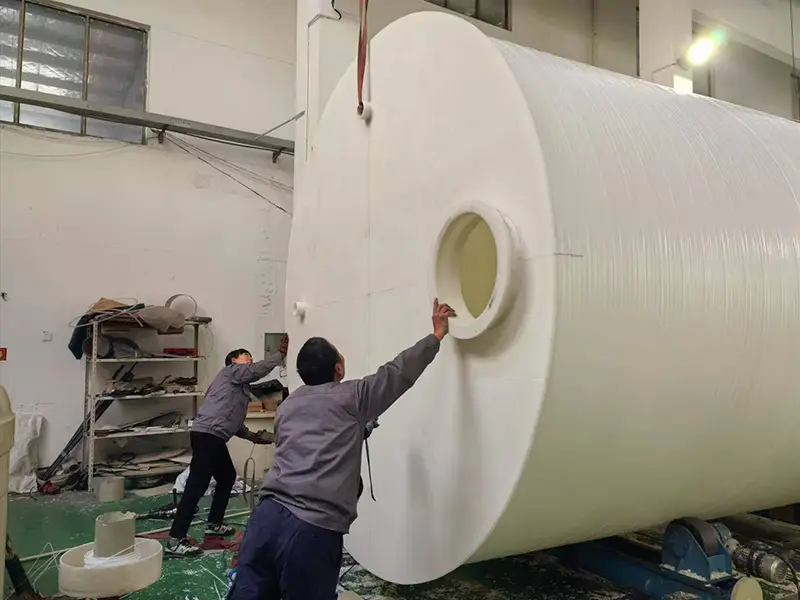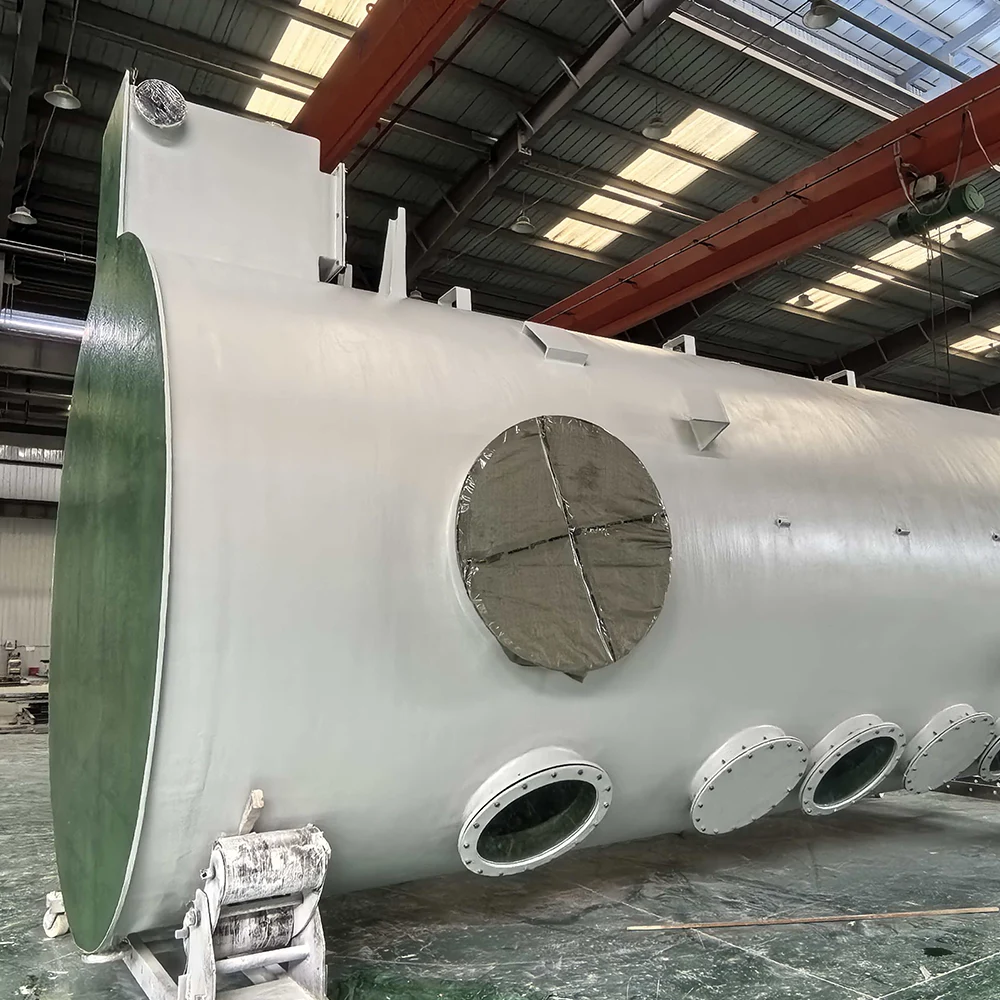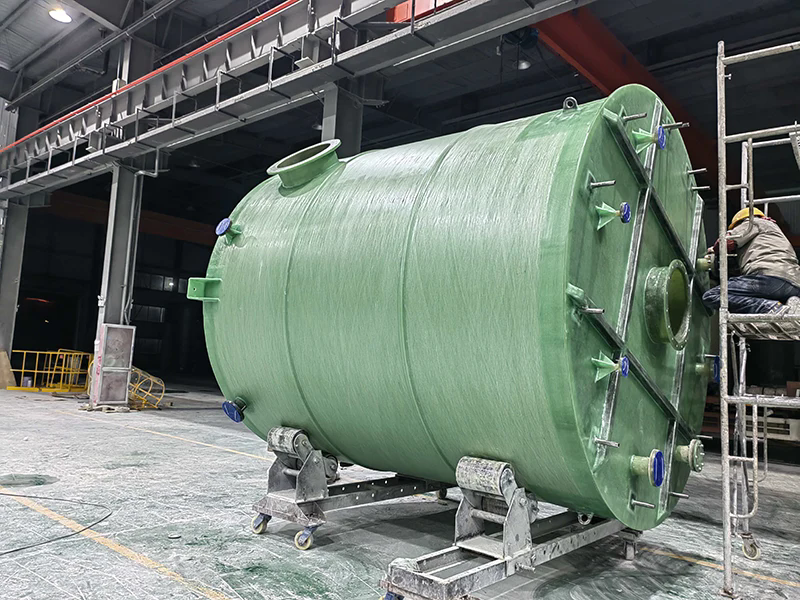
PP Composite FRP Equipment is increasingly favored in modern chemical and industrial applications due to its superior corrosion resistance, lightweight structure, and durability. At Taicang Xinda Chemical Equipment Factory, our team emphasizes that proper design considerations for pipework using our PP Composite FRP Equipment are essential to ensure safety, efficiency, and long-term reliability. In this article, we will detail key parameters, installation guidelines, and provide expert advice for engineers and plant managers.
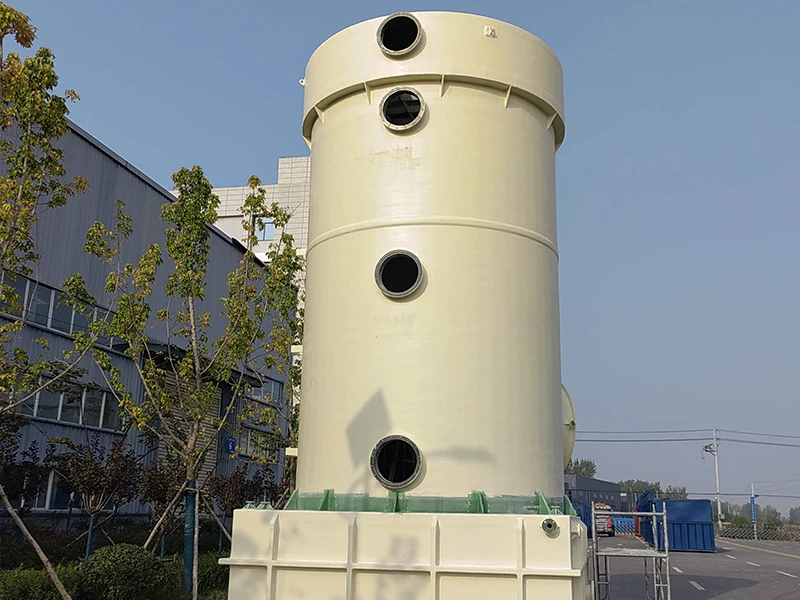
Why PP Composite FRP Equipment Stands Out
Our PP Composite FRP Equipment combines polypropylene (PP) with reinforced fiberglass (FRP), resulting in a composite material that offers excellent chemical resistance and mechanical strength. When designing pipework systems, understanding the material properties is crucial for preventing failures and optimizing performance. Our factory has extensive experience manufacturing PP Composite FRP Equipment for a wide range of industries, ensuring that each piece meets rigorous quality standards.
Essential Parameters for Reliable Pipework
Designing pipework systems with PP Composite FRP Equipment requires careful attention to several critical parameters. Below is a table illustrating the main specifications provided by our factory to guide proper selection and installation.
Before reviewing the table, please note that these specifications are essential to ensure that our PP Composite FRP Equipment meets both operational requirements and safety regulations.
| Parameter | Specification | Notes |
| Pipe Diameter | 50mm – 1200mm | Flexible sizing to suit plant layout and flow requirements |
| Operating Temperature | -20°C to 95°C | Compatible with most industrial fluids |
| Pressure Rating | 1.0 MPa – 1.6 MPa | Ensure proper wall thickness selection to handle pressure |
| Material Composition | PP + FRP | Optimized for chemical resistance and mechanical strength |
| Joint Type | Flanged, Solvent Weld, Threaded | Depends on installation preference and accessibility |
| Corrosion Resistance | Excellent | Resistant to acids, alkalis, and salts |
| Service Life | 15–20 years | Dependent on fluid type and operating conditions |
Practical Guidelines for Installation
Proper installation is critical to maximize the lifespan and efficiency of our PP Composite FRP Equipment. Our factory provides detailed guidance to ensure that engineers and technicians correctly assemble the system:
Understanding Chemical Compatibility
When using PP Composite FRP Equipment, understanding the chemical nature of the transported fluids is essential. Our factory has conducted extensive testing to confirm compatibility with a wide range of chemicals, including acids, alkalis, and organic solvents. By selecting materials and wall thickness appropriate to fluid type, our team ensures long-term reliability and prevents premature wear or corrosion.
Accounting for Temperature and Pressure
Our PP Composite FRP Equipment can operate within moderate temperature and pressure ranges. Designers must consider:
These considerations are standard in our factory design procedures to maintain optimal system safety and performance.
Maintenance Tips for Long-Term Performance
To prolong the service life of PP Composite FRP Equipment, our factory recommends a structured maintenance schedule:
Frequently Asked Questions
Q1: How do I select the correct pipe diameter for my system?
A1: The pipe diameter should be chosen based on the required flow rate, fluid viscosity, and system pressure. Our factory provides detailed sizing charts, and our engineers can calculate optimal diameters to minimize pressure drops and energy consumption.
Q2: What precautions should be taken for thermal expansion?
A2: Thermal expansion can cause stress on joints and supports. It is essential to include expansion loops or flexible connections, allow for movement in hangers, and avoid rigid restraints. Our factory recommends standard guidelines for spacing and flexibility to prevent damage.
Q3: Can PP Composite FRP Equipment handle aggressive chemicals?
A3: Yes, our PP Composite FRP Equipment is designed for excellent corrosion resistance. However, compatibility depends on fluid concentration and temperature. Our factory provides chemical resistance tables and expert consultation to ensure safe operation.
Why Our Factory Is the Trusted Choice
Taicang Xinda Chemical Equipment Factory specializes in producing high-quality PP Composite FRP Equipment with over 20 years of experience. By choosing our products, you benefit from:
At Taicang Xinda Chemical Equipment Factory, our engineers guide every step from design to installation, ensuring that our PP Composite FRP Equipment integrates seamlessly into your plant operations. By following proper design considerations and utilizing our expert advice, our clients achieve safe, efficient, and long-lasting pipework solutions.
In conclusion, designing pipework using PP Composite FRP Equipment requires careful attention to material properties, installation techniques, and operational conditions. Our factory's commitment to quality, combined with professional guidance and comprehensive product parameters, ensures that our PP Composite FRP Equipment performs reliably across various industrial applications. By following these design considerations, engineers and plant managers can maximize system efficiency, reduce maintenance costs, and extend service life while maintaining safety and compliance.
Taicang Xinda Chemical Equipment Factory continues to innovate in PP Composite FRP Equipment production, ensuring that our clients receive the best solutions for modern chemical and industrial processes. Our expertise, paired with detailed design and maintenance guidance, guarantees high-quality outcomes for every project.