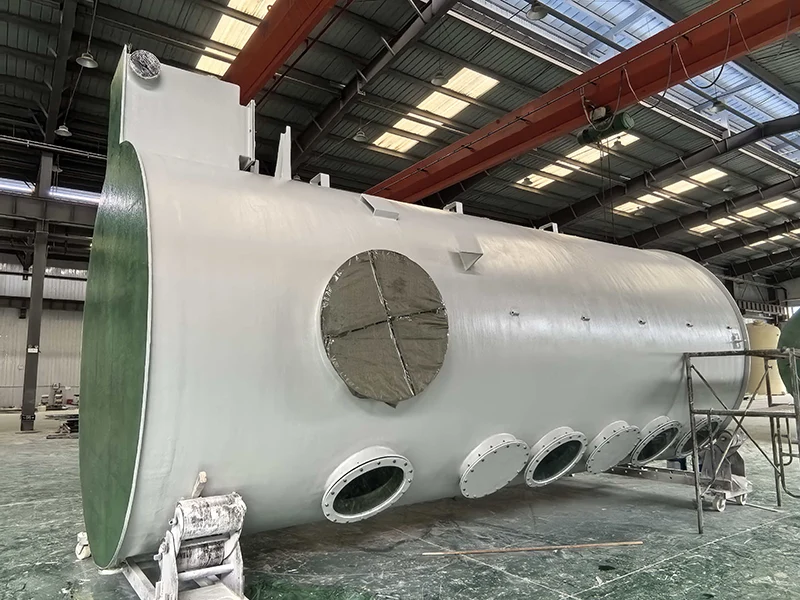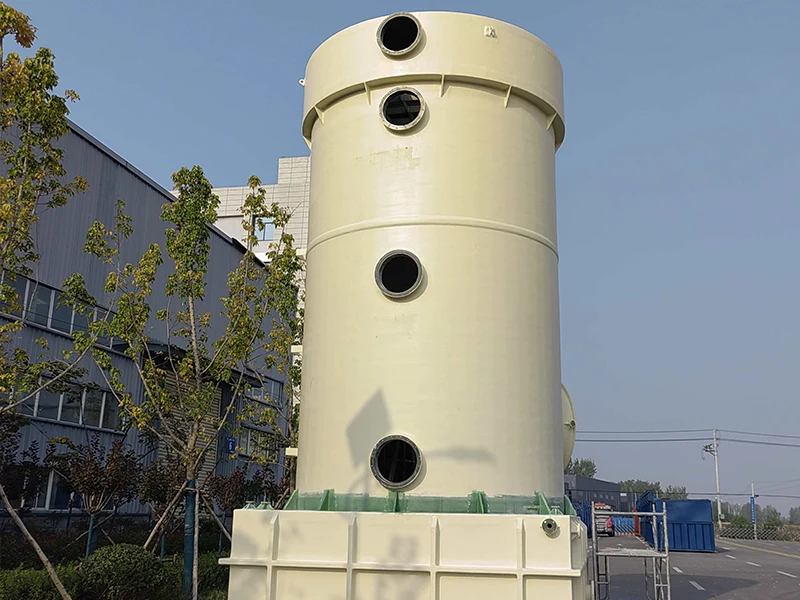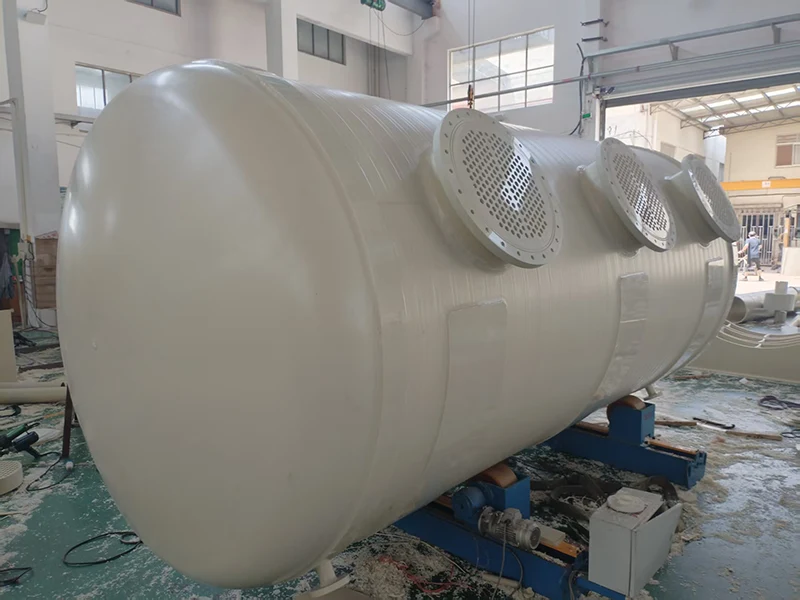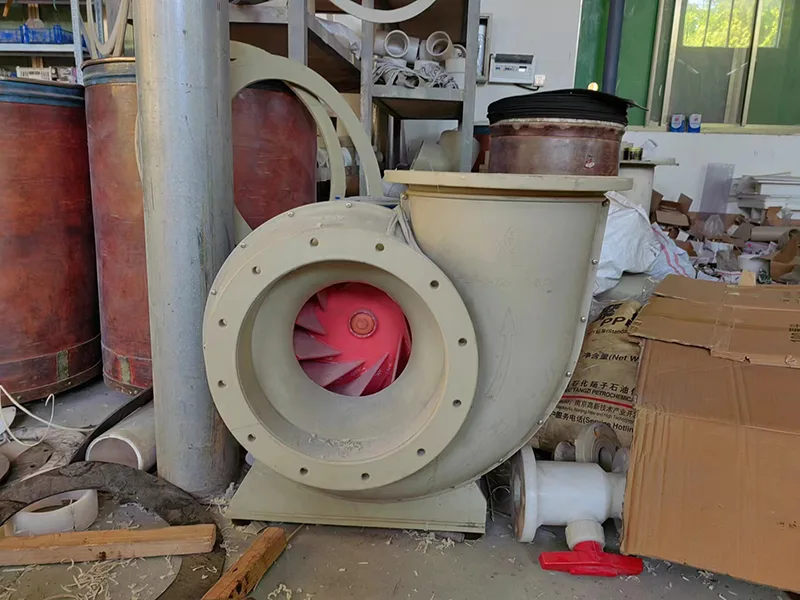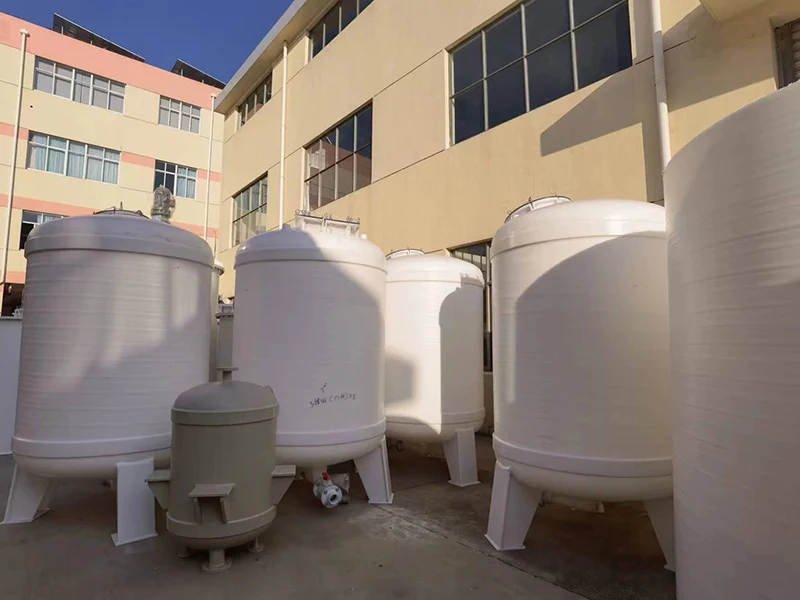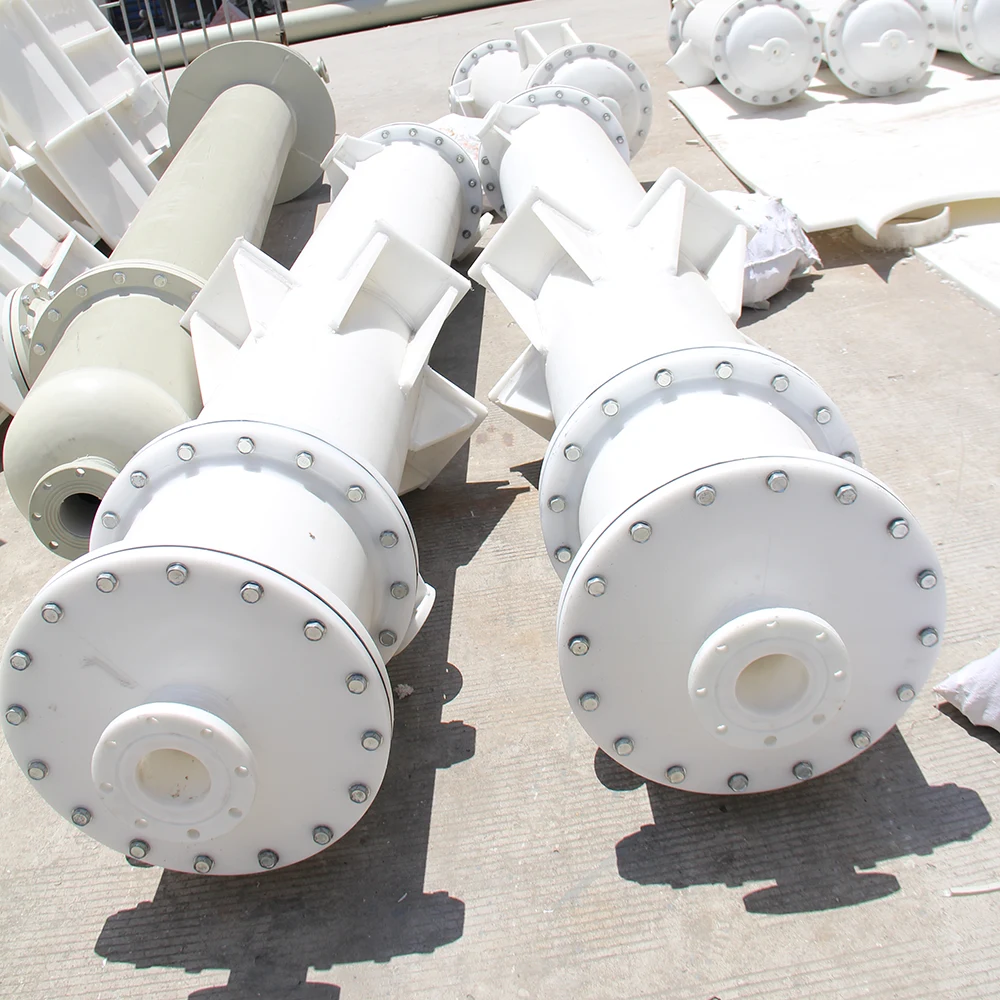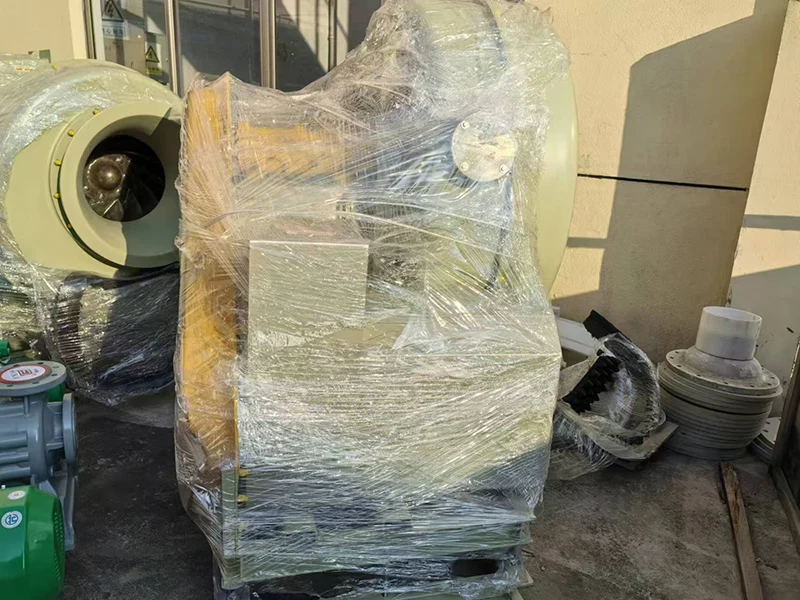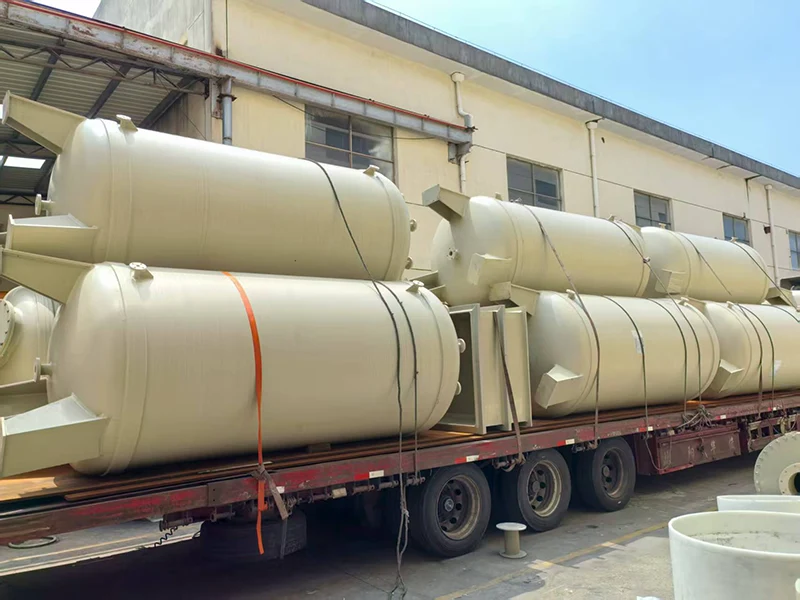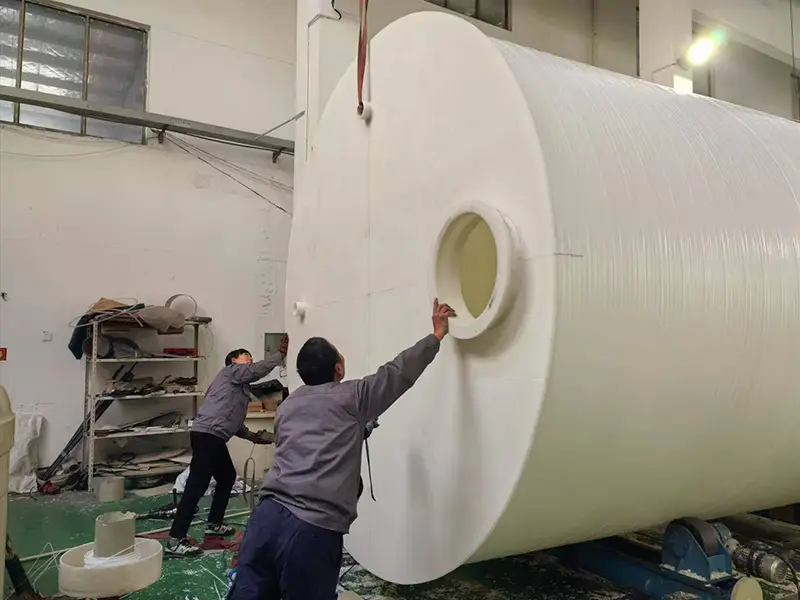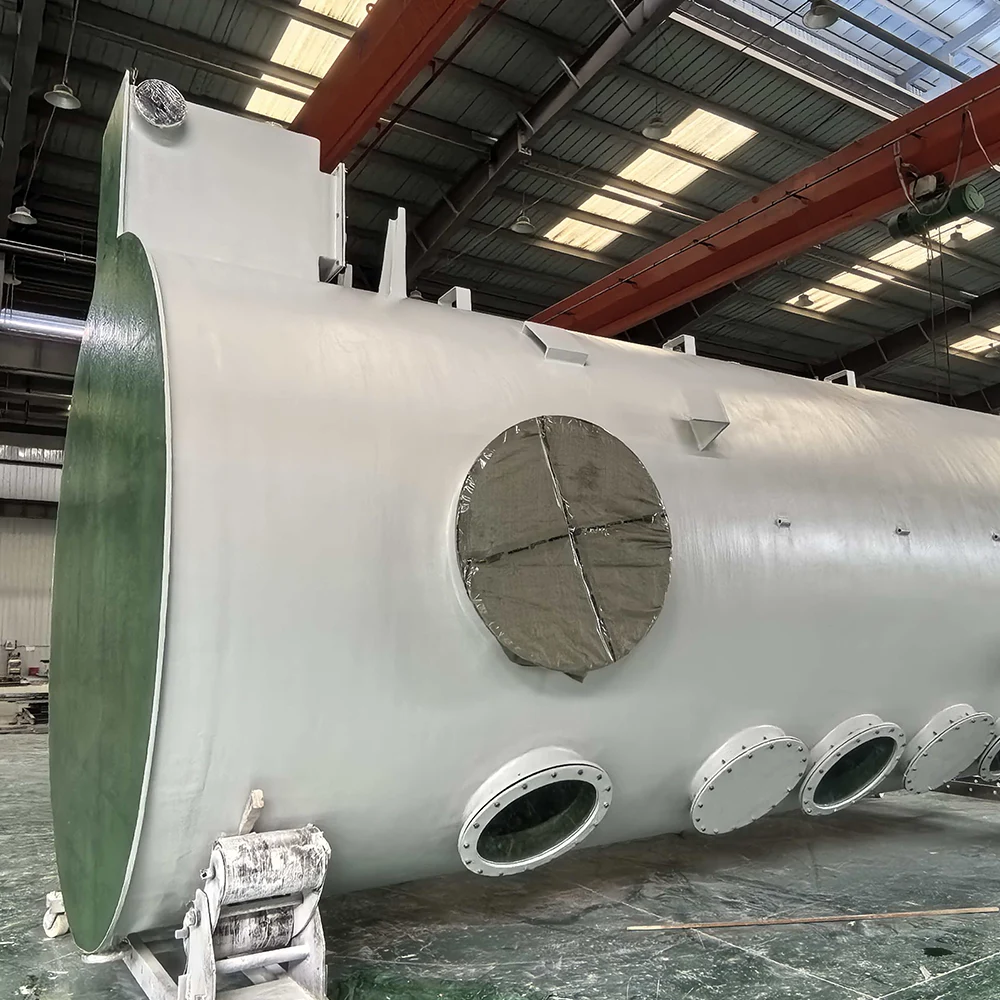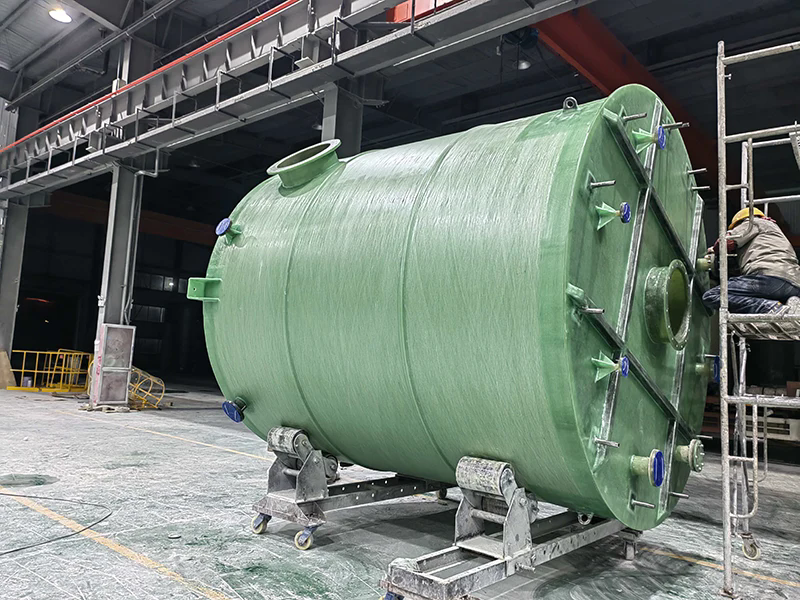
Across chemical processing, gas purification, wastewater treatment, and mass-transfer operations, the demand for corrosion-resistant, lightweight, and cost-effective tower equipment continues to rise. Among the available materials, Polypropylene (PP) Packing Towers have gained widespread adoption due to their excellent chemical resistance, stable hydrodynamic performance, and compatibility with various structured and random packing materials.
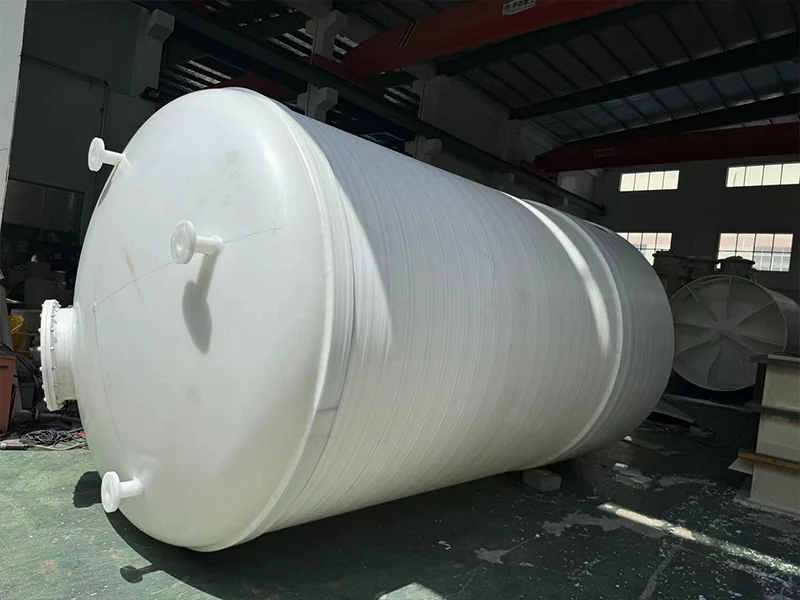
A Polypropylene Packing Tower is a vertical mass-transfer unit integrated with PP internals, including tower body, tray systems, liquid distributors, demisters, and packing layers made from PP structured or random media. These towers are widely used in acid gas scrubbing, alkaline neutralization, solvent recovery, ammonia removal, odor control, chlorine absorption, and numerous chemical unit operations.
| Parameter Category | Typical Specification Range | Technical Notes |
|---|---|---|
| Material Type | 100% Virgin Polypropylene (PP) | Optional UV-stabilized PP for outdoor installations |
| Operating Temperature | –10°C to 95°C | Suitable for most acid/alkali absorption processes |
| Chemical Resistance | Strong resistance to acids, alkalis, and salts | Not recommended for strong oxidizing agents above 80°C |
| Tower Diameter | 300 mm – 5000 mm | Customizable based on system flow rate |
| Wall Thickness | 8 mm – 40 mm | Thicker designs available for high-pressure applications |
| Packing Type | PP Pall Ring, PP Saddle, PP Raschig Ring, PP Structured Packing | Choice depends on mass-transfer performance requirements |
| Gas Flow Rate | 0.5 – 4.0 m/s | Adjustable via tower diameter and packing configuration |
| Pressure Drop | 200 – 950 Pa/m | Low due to PP’s lightweight, smooth internal geometry |
| Liquid Distribution System | PP trough, PP spray header, PP distributor plate | Selection based on process liquid properties |
| Maximum Height | 12 – 20 meters | Custom-engineered for large-scale absorption systems |
| Connection Type | Flanged, welded, or segmented modular assembly | Supports field installation in confined areas |
| Service Life | 10 – 20 years | Depends on maintenance and chemical exposure |
A PP packing tower operates based on counter-current mass transfer between gas and liquid phases. Gas flows upward through the internal packing while liquid flows downward, creating intensive surface contact. Polypropylene, used for both the tower shell and packings, ensures corrosion resistance and structural durability, especially in aggressive chemical environments.
The effectiveness of polypropylene lies in its combination of material stability and economic benefits. Several core characteristics support this:
Polypropylene resists degradation from most mineral acids, alkaline media, and salt solutions. Unlike carbon steel, stainless steel, or fiberglass, PP maintains its structure without pitting, rusting, or delamination. This makes it ideal for handling substances such as sulfuric acid mist, hydrochloric fumes, nitric oxides, ammonia, and caustic neutralization solutions.
PP has a density of approximately 0.9 g/cm³, significantly less than steel or FRP. This results in:
lower transportation cost
more convenient field installation
reduced structural load on supporting platforms
simplified maintenance procedures
The lower weight does not compromise structural integrity when professionally designed, especially with rib-reinforced PP tower walls.
With operational temperatures ranging from –10°C to 95°C, PP tolerates most conditions found in neutralization, scrubbing, and absorption systems. Heat distortion temperature is sufficiently high for atmospheric pressure towers used in fertilizer plants, metal processing lines, semiconductor exhaust treatment, and other industrial facilities.
Compared with stainless steel or alloy towers, PP provides:
lower initial equipment investment
lower maintenance expenses
longer service life in corrosive applications
predictable cost-to-performance ratio
This cost savings does not compromise mass-transfer efficiency, especially when tower internals are engineered with optimized polypropylene packing geometries.
The effectiveness of a PP tower depends heavily on packing choice. Polypropylene packings, such as Pall Rings or structured corrugated media, provide large surface area and excellent fluid-distribution capacity. They enhance:
Gas–liquid contact efficiency
Mass-transfer surface development
Mixing and turbulence
Void fraction optimization
Low pressure drop performance
This results in higher absorption rate, lower energy consumption, and improved removal efficiency for contaminants.
Well-designed PP towers rely on distribution systems that prevent liquid channeling, flooding, or dry spots. A stable hydrodynamic regime ensures:
uniform liquid loading
predictable gas velocity
minimized blockage risk
improved operational stability
This is crucial for processes requiring continuous performance consistency, including semiconductor exhaust scrubbing and chemical fertilizer gas neutralization.
Used for acid gas scrubbing, solvent recovery, chloride removal, and process vapor neutralization.
Applied in ammonia stripping, odor removal, and gas-phase pollutant control.
Used for pickling exhaust treatment, acid vapor absorption, and metal-surface chemical treatment.
Essential in VOC treatment, industrial deodorization, and combustion gas purification.
Critical for removing acidic and alkaline fumes from etching, cleaning, and plating stages.
Each application benefits from the inherent corrosion resistance, hydrodynamic stability, and structural adaptability of PP materials.
As environmental regulations tighten and industries shift toward high-efficiency purification systems, the importance of advanced tower materials continues to grow. Future development trends include:
Manufacturers are adopting computer-optimized corrugated geometries to reduce resistance and increase mass-transfer coefficient. The next generation of PP structured packing is expected to achieve:
higher surface-to-volume ratios
improved gas–liquid distribution
lower fouling tendency
longer operational runtime between shutdowns
Digital flow meters, pressure sensors, and IoT-based maintenance systems are increasingly integrated into PP tower installations. Real-time monitoring will allow operators to predict overloads, detect clogging patterns, and optimize liquid distribution.
Outdoor installations will increasingly use UV-stabilized Polypropylene grades to enhance long-term structural integrity. Reinforced PP composites may also expand temperature resistance and structural rigidity.
Polypropylene is inherently recyclable. As global sustainability goals grow stronger, industries will prefer recyclable PP towers over FRP or metal options, reducing total environmental impact.
A: The selection depends on several engineering parameters including gas flow rate, liquid loading, target removal efficiency, chemical characteristics of the gas and liquid streams, acceptable pressure drop, and available installation space. For high-efficiency absorption (e.g., HCl or SO₂ removal), structured PP packing provides greater mass-transfer area. For systems requiring lower pressure drop or handling particulate-laden gas, PP Pall Rings offer better anti-fouling performance. Tower diameter, height, and packing depth are then calculated based on required mass-transfer units (NTU) and volumetric flow rates. Engineering assessment ensures optimal operational stability while minimizing energy consumption.
A: Under proper operating conditions, high-quality PP packing towers generally sustain a service life of 10 to 20 years. Longevity depends on factors including chemical exposure, operating temperature, UV conditions, maintenance frequency, and the type of packing installed. Neutral environments and stable hydrodynamics extend service life, while high temperatures or oxidizing chemicals may shorten it. Regular cleaning, fouling prevention, and proper liquid distribution significantly improve long-term durability.
Polypropylene Packing Towers combine corrosion resistance, structural lightness, low operational cost, and high mass-transfer efficiency, making them one of the most practical solutions for modern chemical and environmental engineering systems. Their adaptability to various packing types, flexibility in tower design, and compatibility with aggressive chemical media ensure consistent performance for industries seeking stable and sustainable purification operations.
As market expectations continue to evolve, reliable manufacturers such as Xinda play an increasingly important role by delivering precision-engineered PP towers that meet global standards for efficiency, durability, and environmental compliance. For tailored solutions, professional engineering support, and detailed specifications, contact us to discuss your application requirements and explore suitable Polypropylene Packing Tower configurations.