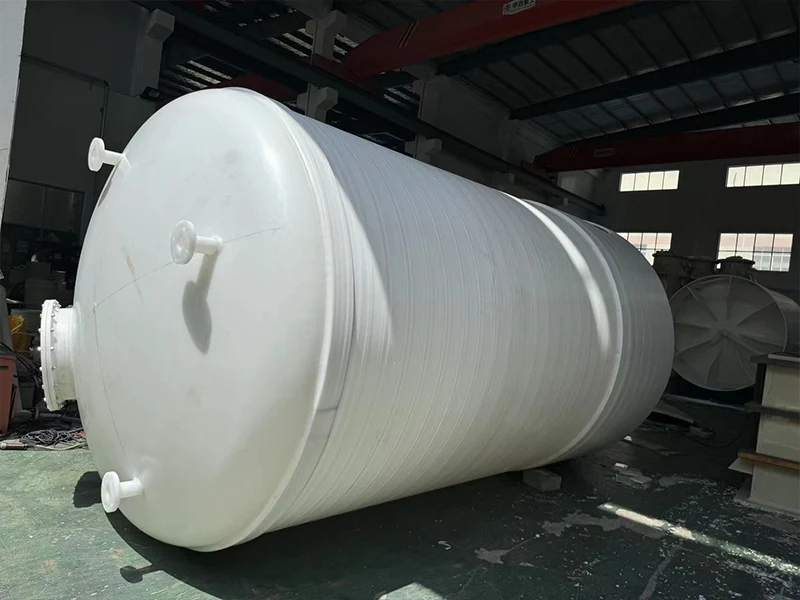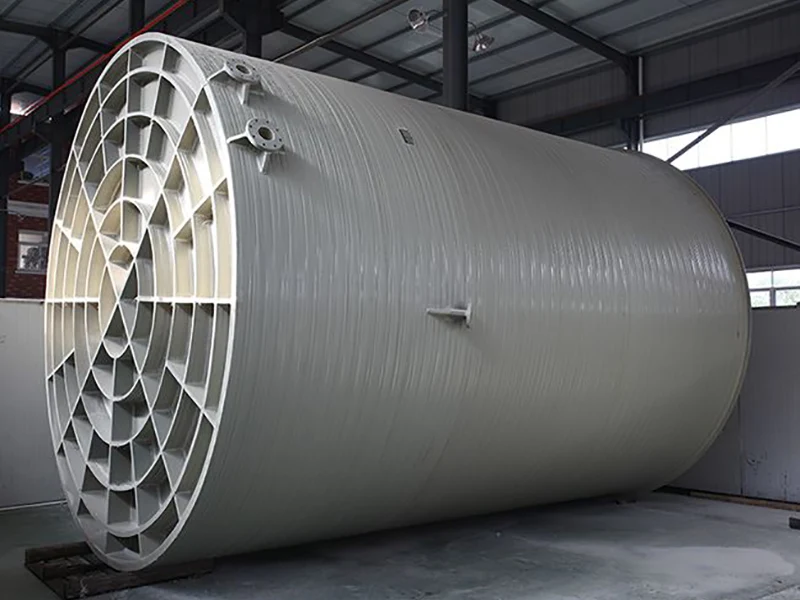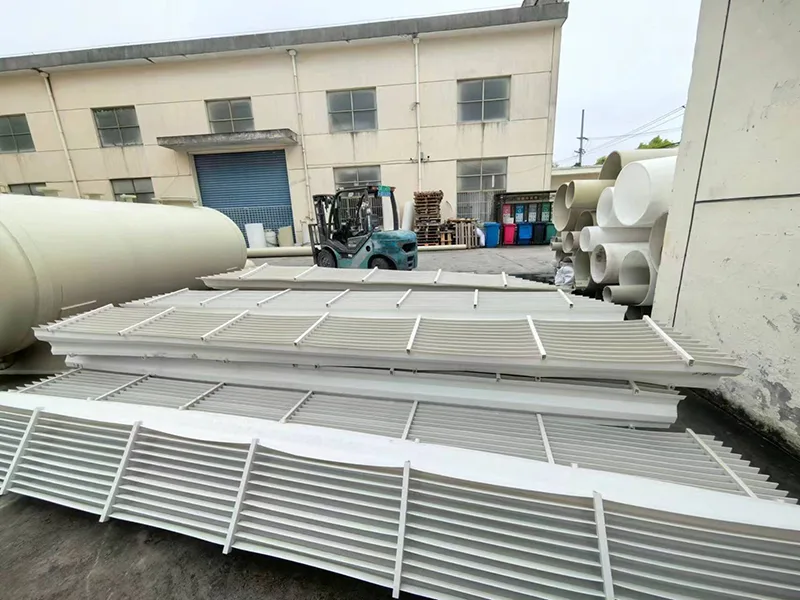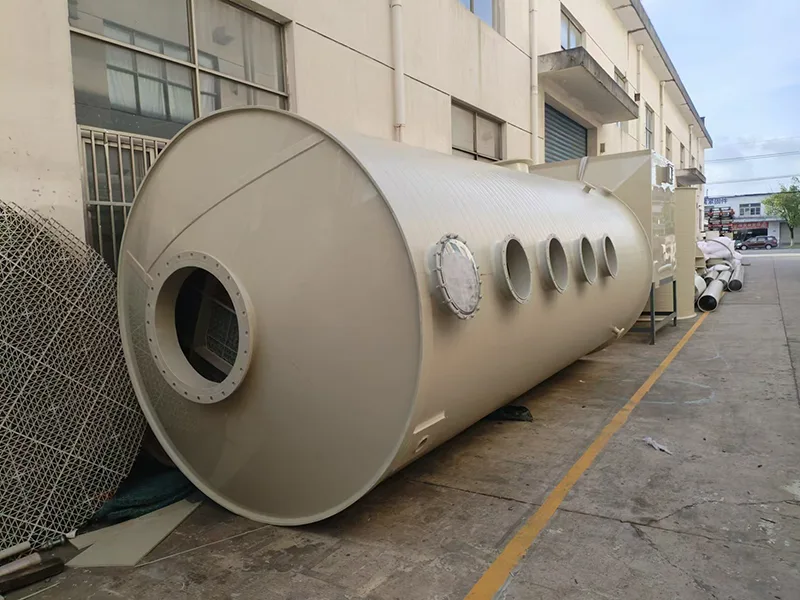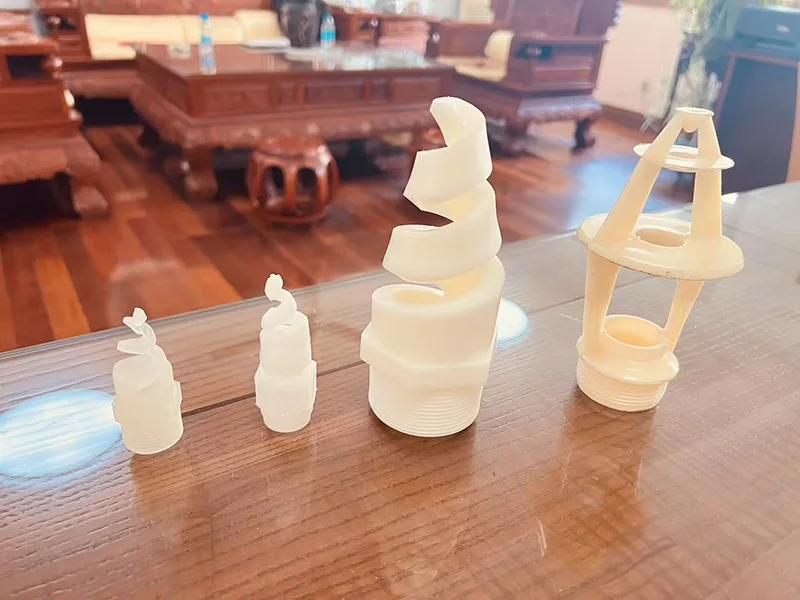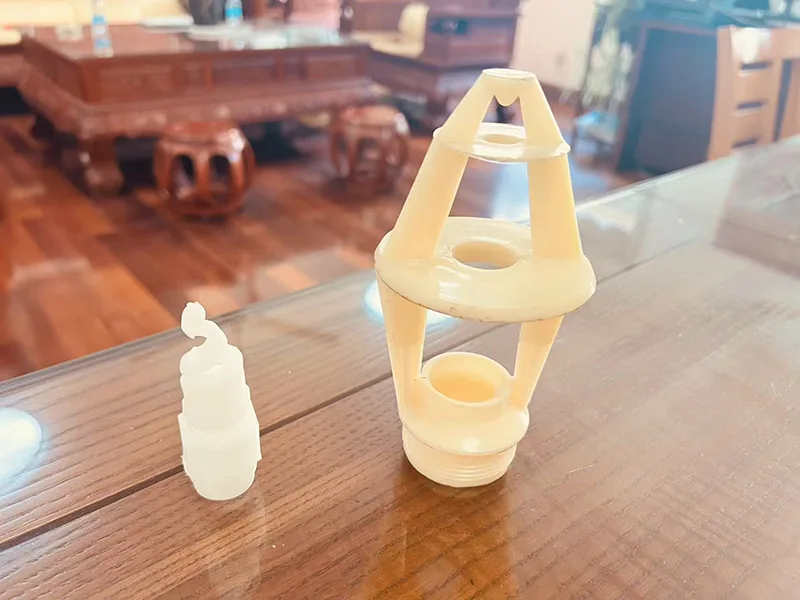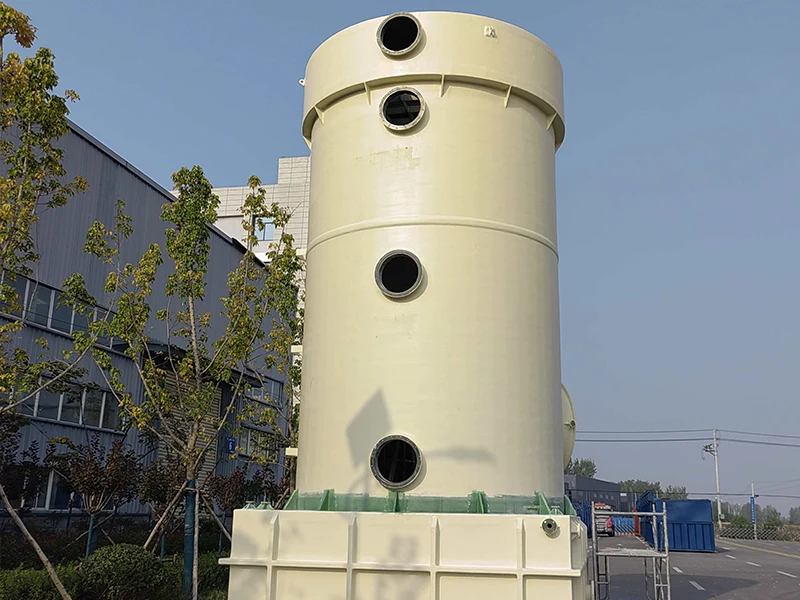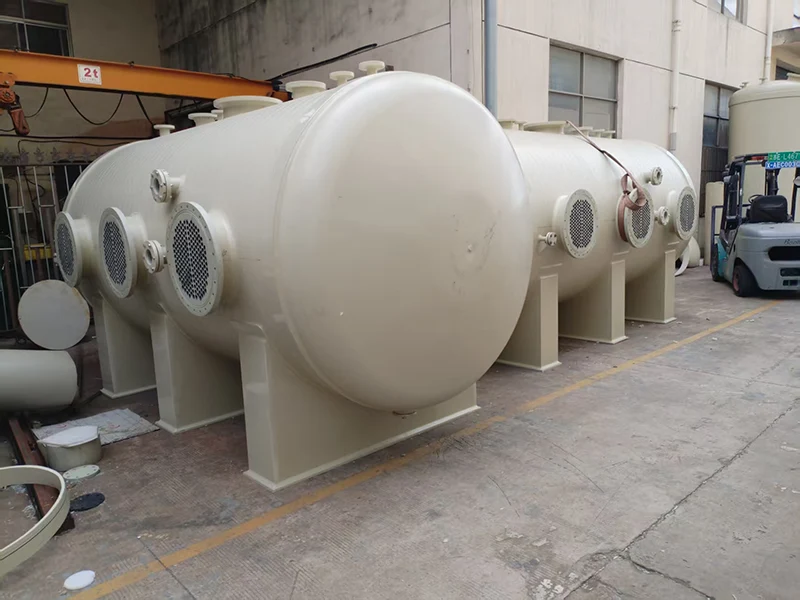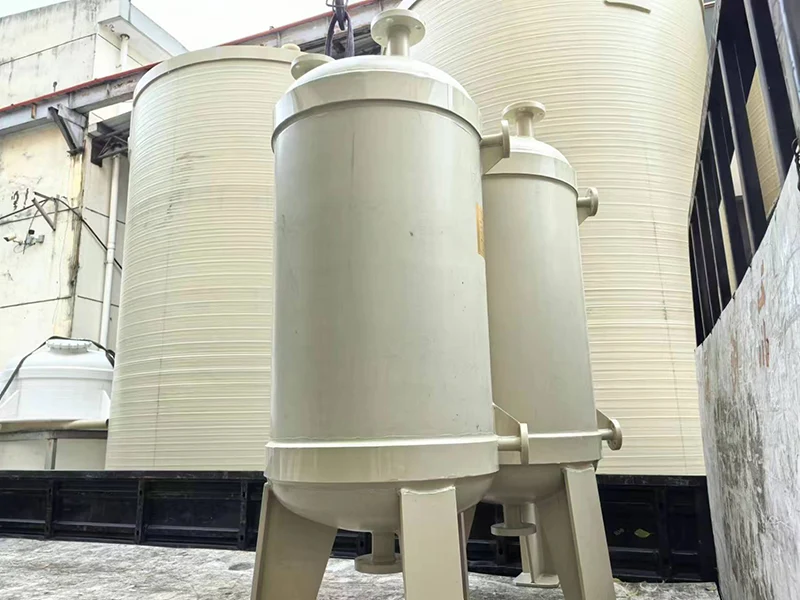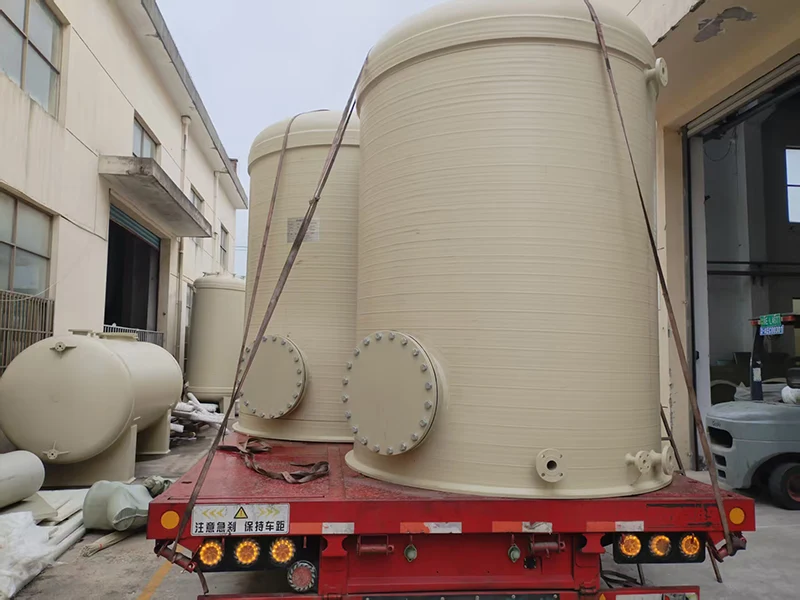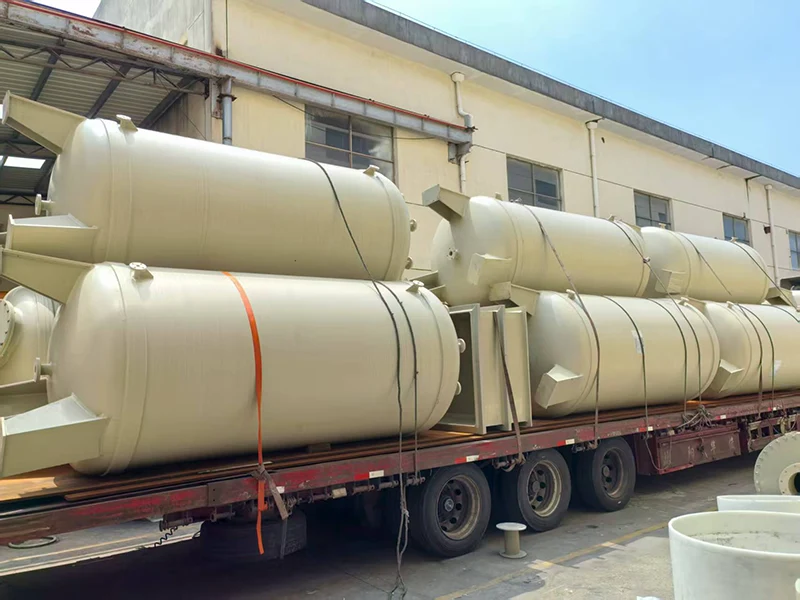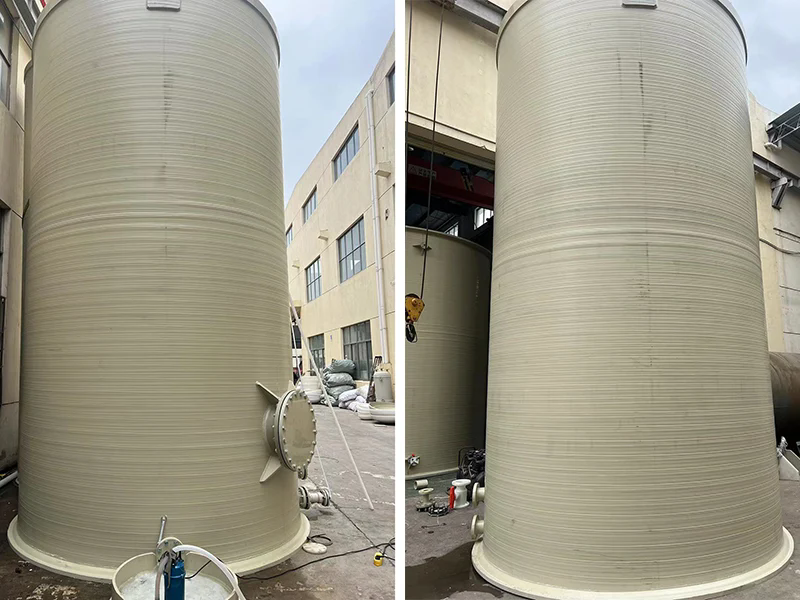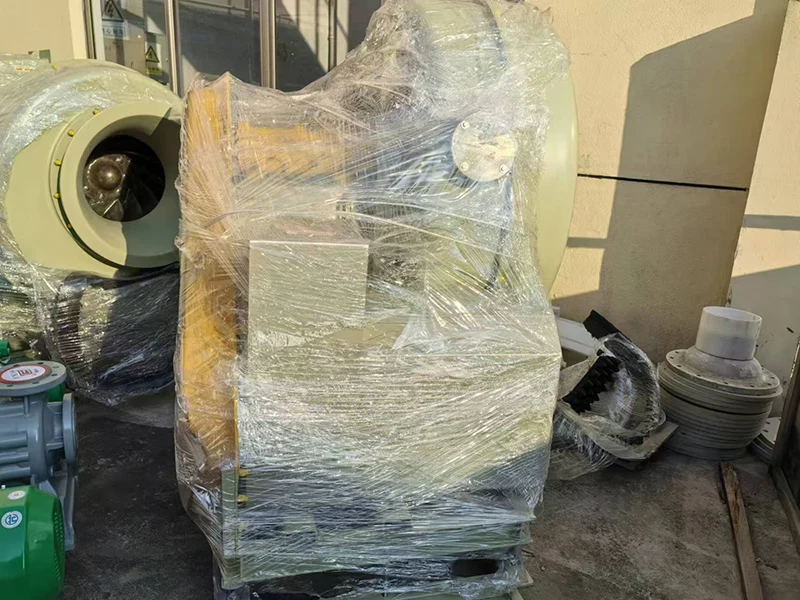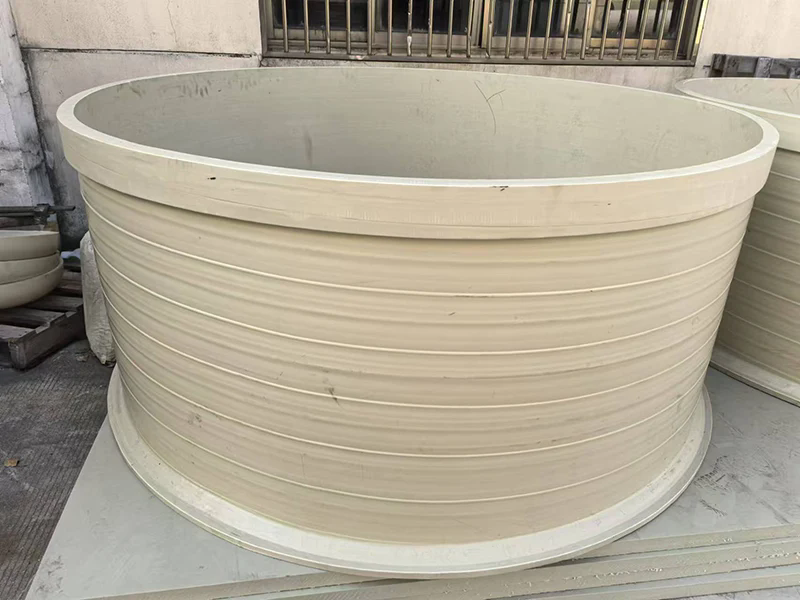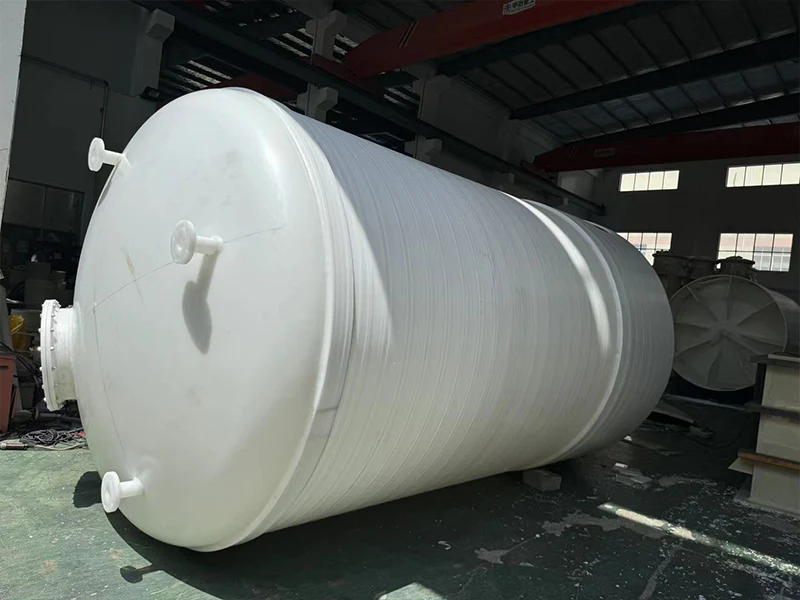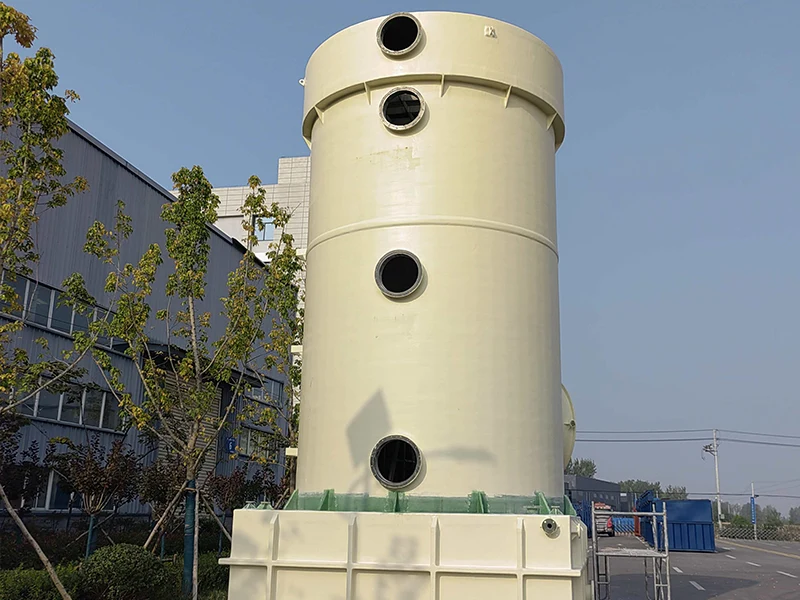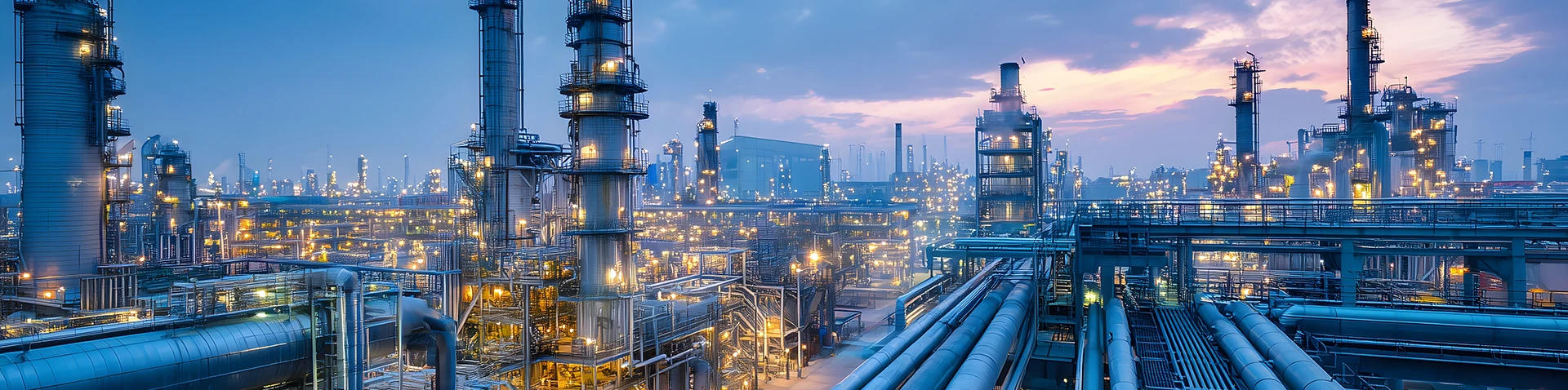
Xinda Chemical factory's polypropylene equipment, a thermoplastic based on polypropylene, has become a vital infrastructure for the chemical, environmental protection, and food industries due to its excellent corrosion resistance, lightweight design, and cost-effectiveness. We offer high-quality polypropylene condensers, polypropylene shell-and-tube condensers, polypropylene falling film absorbers, and storage tanks in PP materials. These products focus on material properties and process innovation, covering a full range of applications from strong acid storage to food-grade packaging, providing safe and reliable corrosion protection for industrial production.
1. Chemical Industry: Storage and Reaction of Highly Corrosive Media
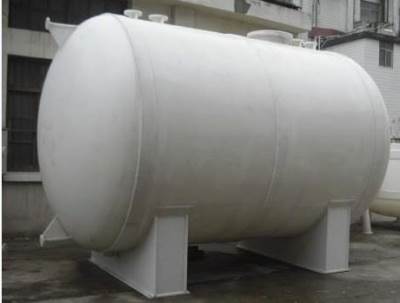
In chemical processes such as acid-base neutralization and solvent mixing, polypropylene equipment is a good choice for intermediate storage tanks and reactors. For example, a large fertilizer company uses 30m³ polypropylene (PP) horizontal tanks to store phosphoric acid. The equipment has operated for six years without corrosion or leakage, and its maintenance costs are only half that of fiberglass equipment. Polypropylene (PP) mixing tanks are used for the synthesis of pesticide intermediates. Their temperature resistance meets the requirements of a constant-temperature reaction at 85°C, and their inner walls do not absorb materials, ensuring product purity.
2. Environmental Protection and Water Treatment: Core Equipment for Wastewater and Waste Gas Treatment
This type of equipment can be used in environmental protection applications like treating heavy metal-containing wastewater and waste gas purification towers. For example, the use of polypropylene (PP) in pickling tanks and electrolytic cells in the electroplating industry significantly improves corrosion resistance, extending the equipment maintenance cycle from two months to two years. Polypropylene (PP) spray towers treat acidic waste gases through liquid-phase absorption, achieving a purification efficiency exceeding 92%, meeting the GB 16297-1996 emission standard. They are widely used in electronics factories and smelters.
3. Food and Pharmaceuticals: Safe Transportation and Storage of Clean Materials
Because it meets food-grade hygiene standards, polypropylene equipment can be used to store food ingredients such as edible oil, juice, and alcohol, as well as pharmaceutical liquids and intermediates. For example, a dairy company uses 5m³ polypropylene (PP) tanks to store lactic acid. The equipment can withstand high-temperature sterilization at 121°C, leaving no residual impurities and ensuring product quality. Polypropylene (PP) piping systems in pharmaceutical factories are used to transport water for injection. Their smooth interiors resist bacterial growth and meet GMP certification requirements.
4. New Energy and Electronics: Suitable Applications for High-Purity Materials
In the new energy industry, polypropylene equipment is used for electrolyte storage and biodiesel temporary storage. Its oil resistance surpasses that of ordinary plastics, preventing oil leaks. Semiconductor chip cleaning tanks and high-purity chemical reagent storage tanks in the electronics industry also rely on the antistatic and corrosion properties of polypropylene (PP) to prevent impurities from affecting product yields.