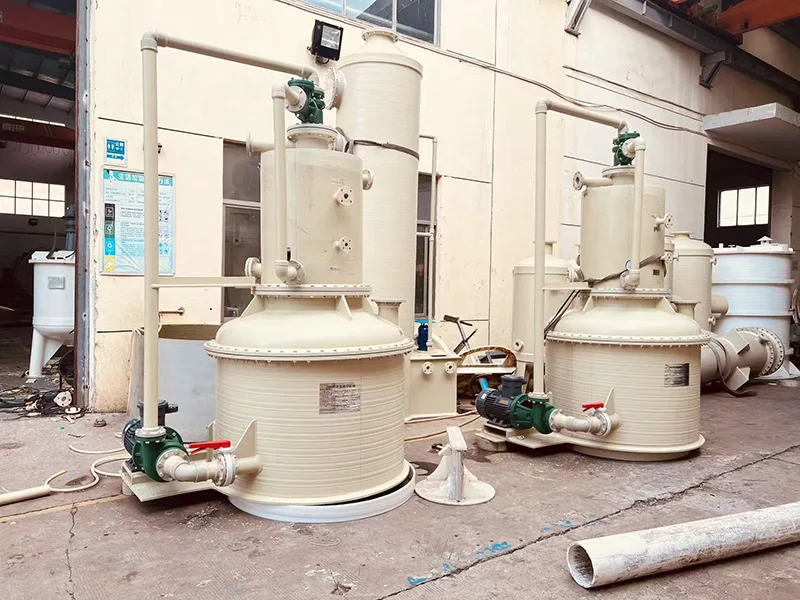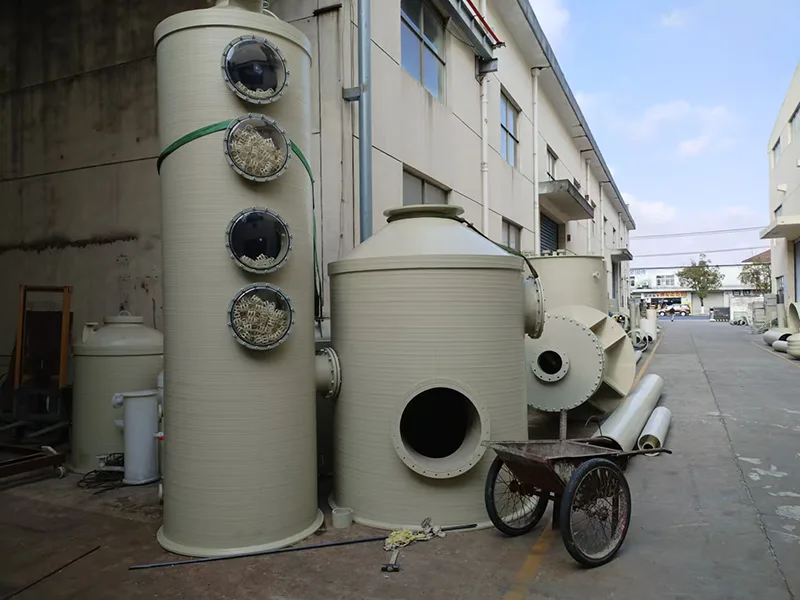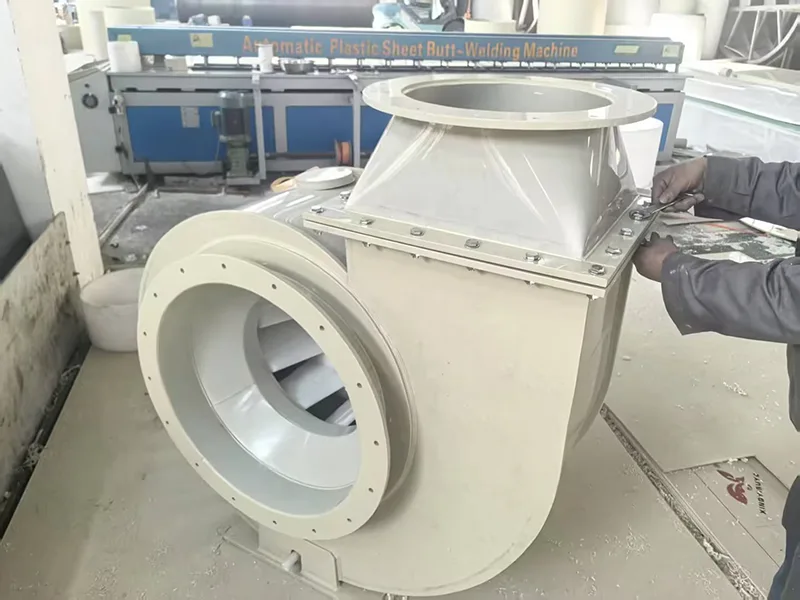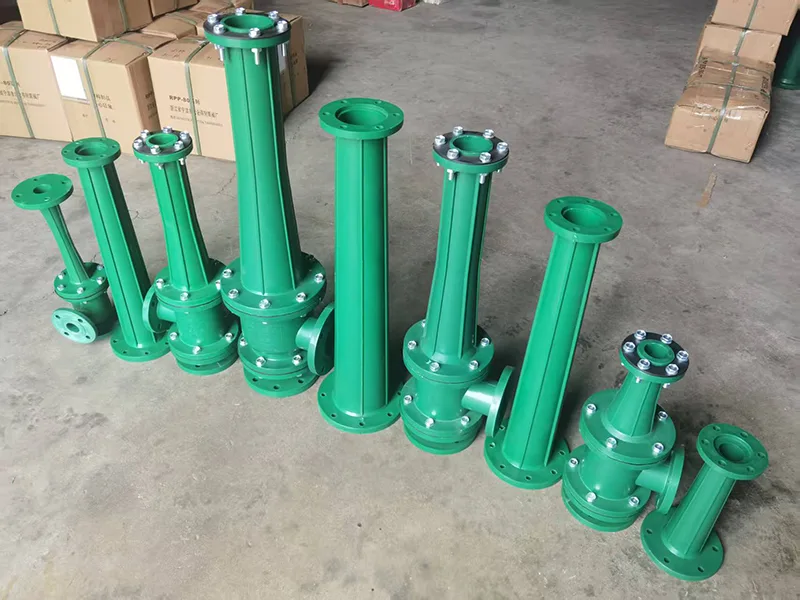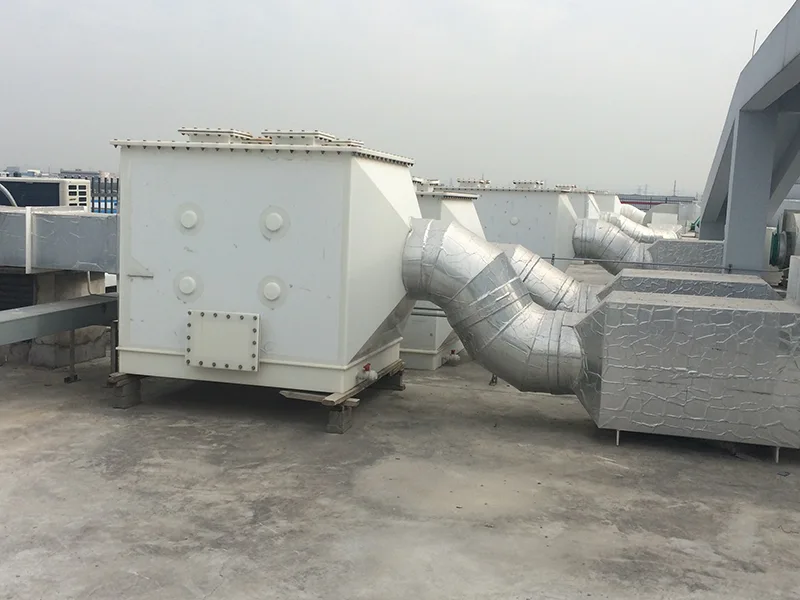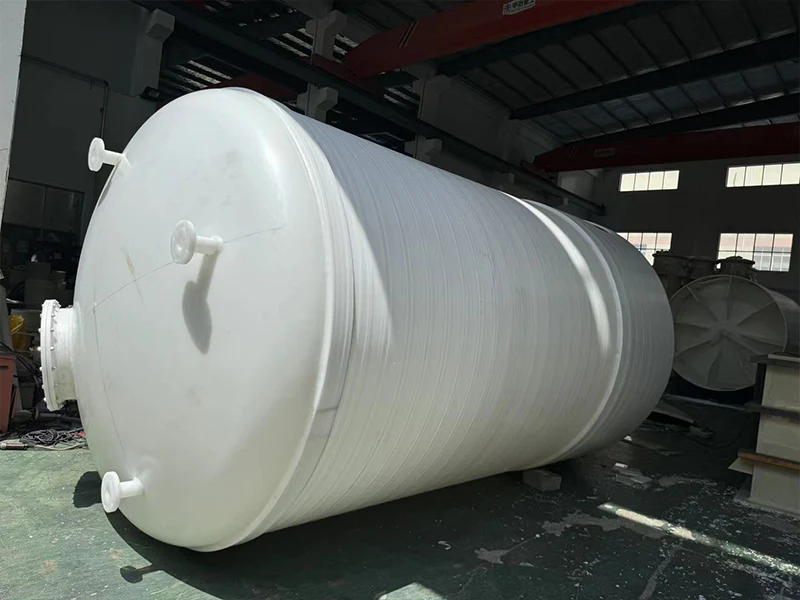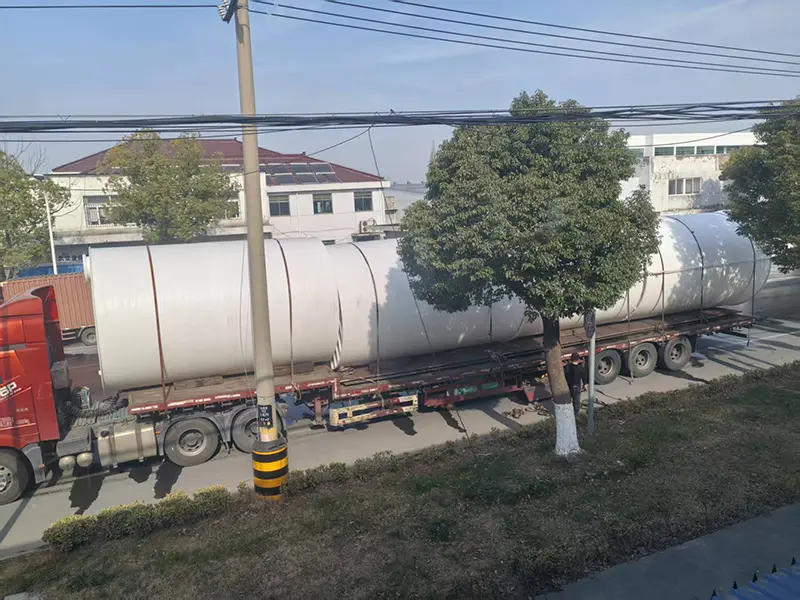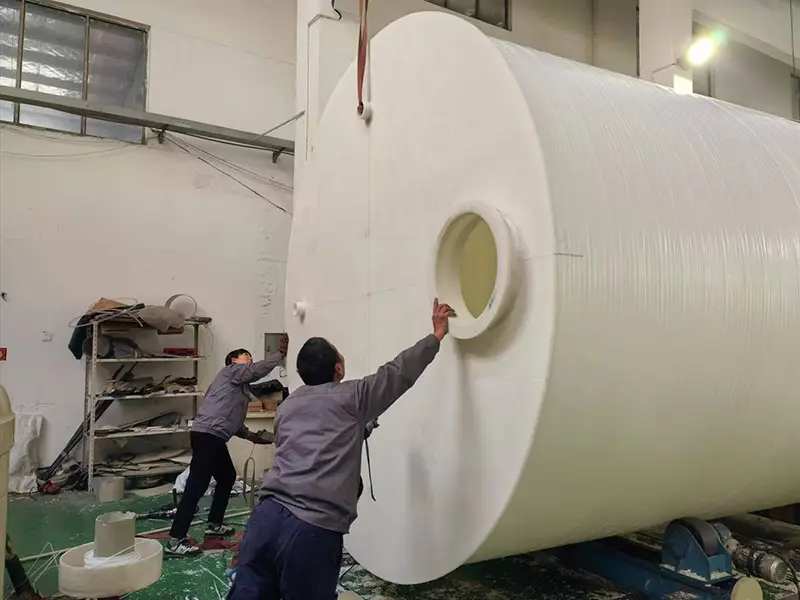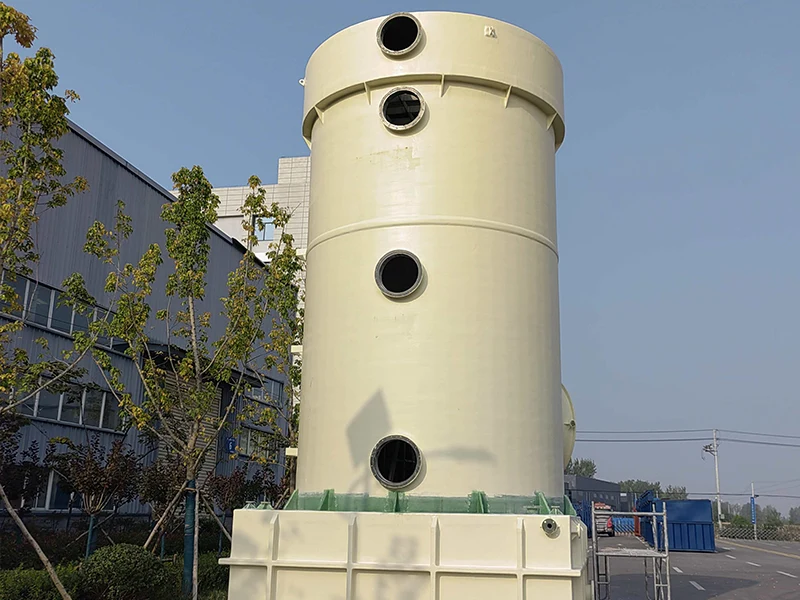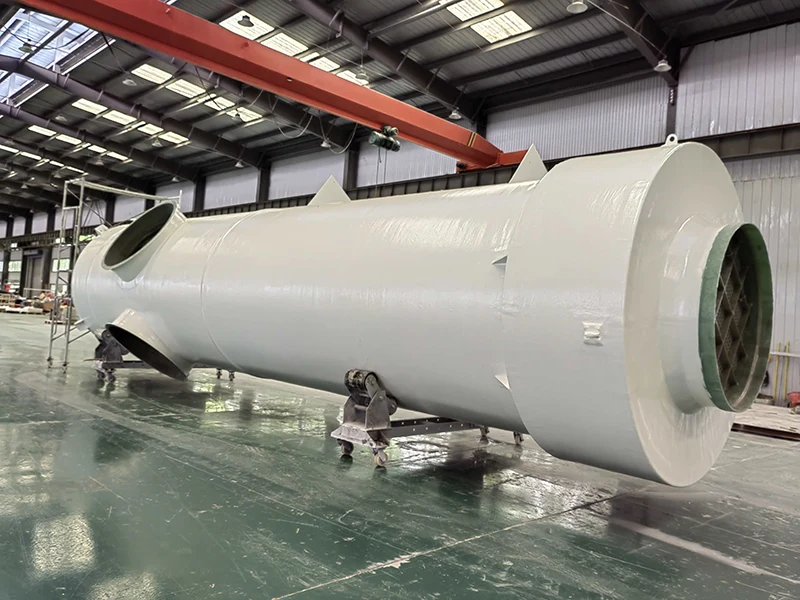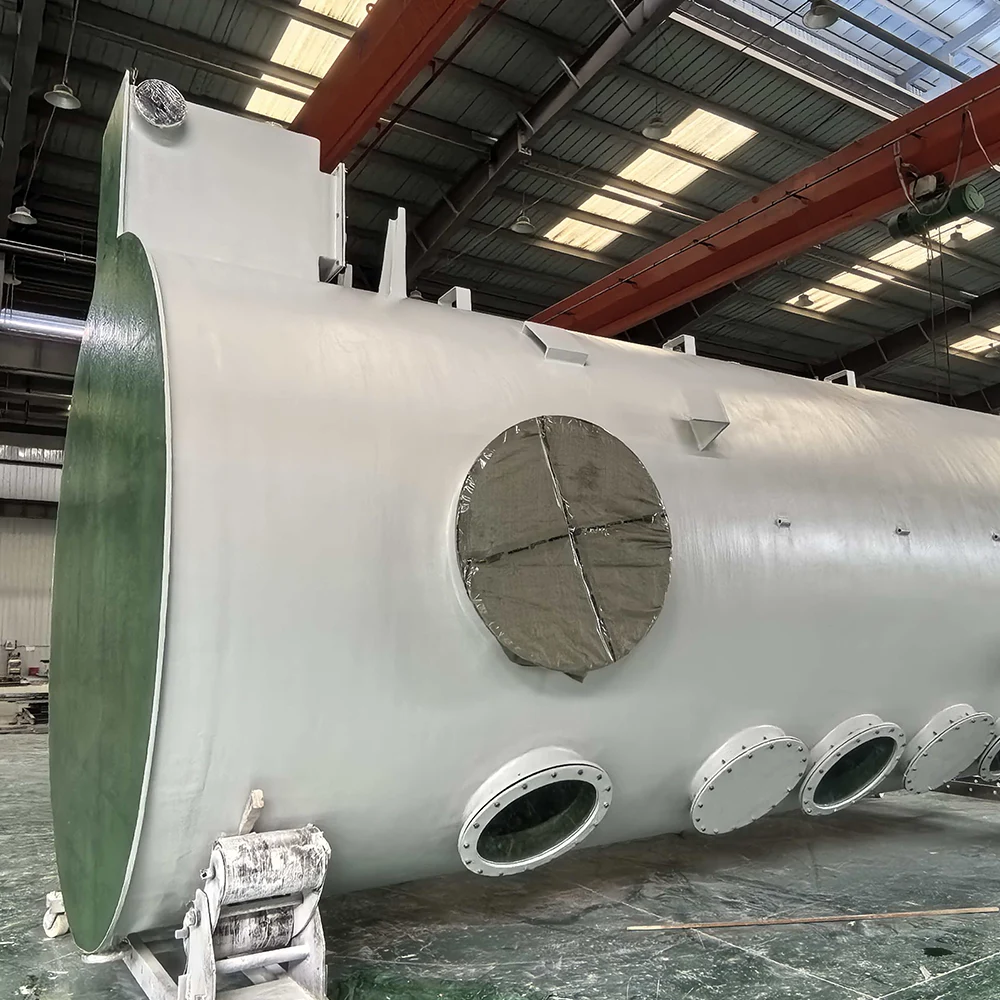
Polypropylene Vacuum Filter has emerged as a critical solution across chemical processing, pharmaceutical manufacturing, wastewater treatment, laboratory filtration, and food-grade separation. Engineered from highly resistant polypropylene, this filtration system delivers strong chemical stability, long service life, and low maintenance requirements.
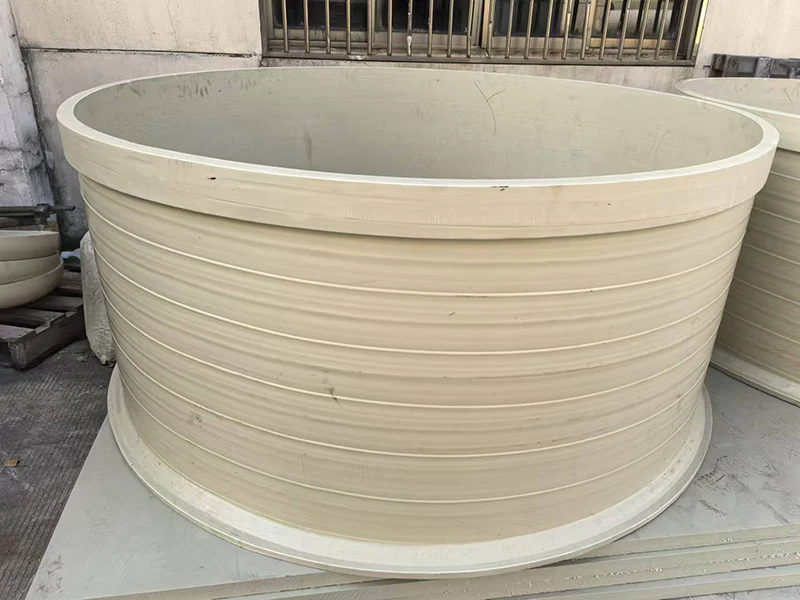
Polypropylene Vacuum Filter is designed to remove particulates, solids, and impurities through negative-pressure vacuum extraction. The polypropylene structure ensures durability, chemical resistance, and consistent filtration results even in harsh operating environments. Its performance supports continuous production systems and helps maintain product purity.
Polypropylene filter body — lightweight, corrosion-resistant, suitable for strong acids and alkalis.
High-strength filter plate design — stable under vacuum pressure, prevents deformation.
Uniform pore distribution — ensures predictable filtration rates.
Easy-clean, low-maintenance construction — ideal for repeated industrial use.
| Parameter | Specification |
|---|---|
| Material | High-purity polypropylene (PP) |
| Filtration Accuracy | 1–100 microns (customizable) |
| Temperature Resistance | Up to 90°C (194°F) |
| Vacuum Level | 0.08–0.098 MPa |
| Chemical Compatibility | Strong acid, strong alkali, most organic solvents |
| Flow Rate | Adjustable according to plate size & pore density |
| Filter Plate Size | Multiple industrial-grade dimensions available |
| Application Fields | Chemical processing, pharmaceuticals, food industry, water treatment, laboratory use |
These well-defined specifications support consistent filtration performance, smooth system integration, and long-term operational reliability across manufacturing sectors.
The working principle of this filtration system focuses on vacuum extraction, which increases filtration speed and ensures complete solid-liquid separation. Compared with traditional gravity filtration or metal-based systems, polypropylene filters deliver:
Vacuum suction increases flow rate and shortens processing cycles, supporting high-volume production.
Polypropylene does not react with most acids or alkalis, making it ideal for corrosive processing environments.
The uniform pore structure prevents uneven flow, clogging hotspots, or inconsistent particle retention.
Because polypropylene resists corrosion, scaling, and chemical degradation, it significantly reduces replacement frequency and downtime.
Lightweight components reduce labor intensity, make installation easier, and keep transportation costs low.
With these capabilities, industries can maintain cleaner outputs, stricter quality control, and lower long-term operating costs.
Global manufacturing trends increasingly emphasize sustainability, energy efficiency, and high-precision purification. Polypropylene Vacuum Filter aligns with these requirements and is shaping the future direction of industrial filtration.
Production lines that rely on harsh cleaning agents and solvents require long-lasting, inert filtration equipment. Polypropylene provides durability without metal corrosion.
Regulatory frameworks are tightening worldwide. Polypropylene’s non-toxic, odorless, and stable properties meet purity and hygiene standards.
Waste treatment plants need scalable, cost-efficient filtration solutions. Polypropylene filters are adaptable to sludge dewatering, particle removal, and environmental monitoring.
Manufacturers prefer equipment that minimizes service interruptions. Polypropylene’s easy-clean properties support automation and long-term stability.
The ability to modify pore size, plate dimensions, and vacuum capacity makes polypropylene filtration suitable for emerging industries such as battery manufacturing, biotechnology, and precision chemicals.
Collectively, these trends highlight the increasing industrial shift toward polypropylene as a core filtration material.
Below are two of the most frequently asked questions from procurement teams, engineers, and industrial users.
A: Service life varies by operating conditions, chemical exposure, and cleaning frequency. Under normal industrial use, polypropylene filter plates often last significantly longer than metal or ceramic filters due to superior corrosion resistance. In chemical plants and water treatment facilities, lifespan commonly ranges from several years to over a decade when maintained properly. Regular inspection of pore blockage and vacuum pressure is recommended for optimal performance.
A: Yes. Polypropylene is one of the most chemically resistant materials available for industrial filtration. It performs reliably with strong acids, alkalis, and a wide range of organic solvents. The material does not oxidize or rust, making it ideal for chemical processing, electroplating liquid filtration, and corrosive wastewater treatment. However, for extreme high-temperature solvents above 90°C, additional thermal-resistant components may be required depending on the system design.
Polypropylene Vacuum Filter plays an essential role in modern industrial filtration by providing high chemical resistance, stable performance, long service life, and cost-effective operation. Its ability to maintain consistent filtration accuracy and support large-scale manufacturing makes it a preferred choice across chemical production, pharmaceuticals, food processing, laboratory research, wastewater treatment, and emerging industries. As global demand for efficient, sustainable, and customizable filtration solutions grows, polypropylene-based vacuum systems will continue to expand their market presence.
For businesses seeking reliable filtration technology, Xinda Chemical delivers high-quality polypropylene filtration solutions engineered for durability and precision. To explore customized options or request technical support, contact us for professional assistance tailored to your production needs.