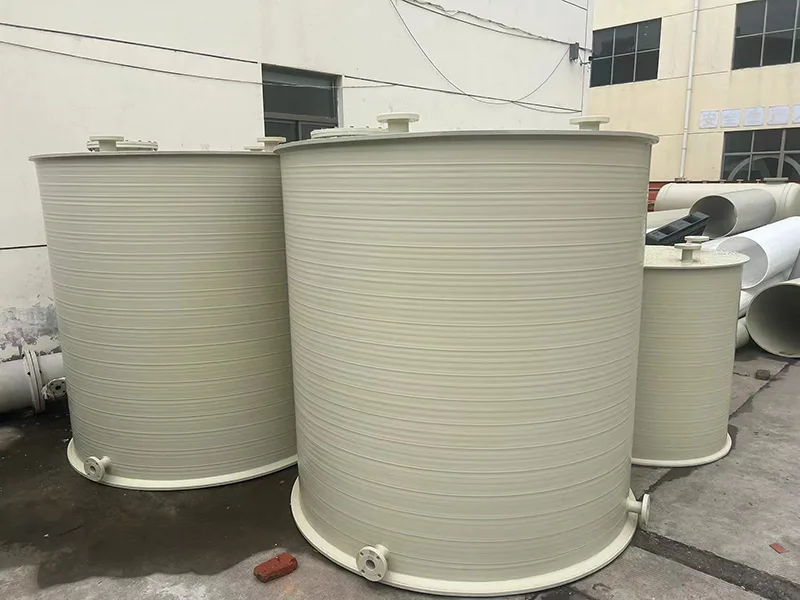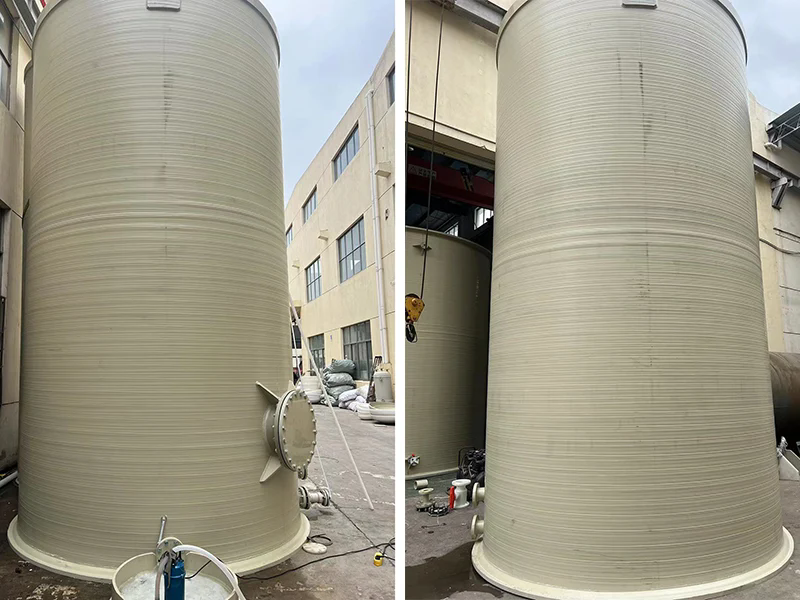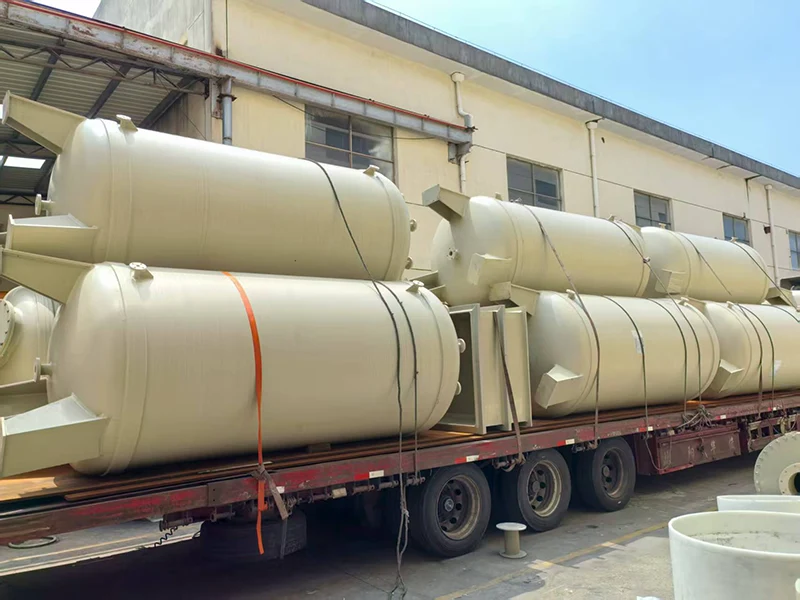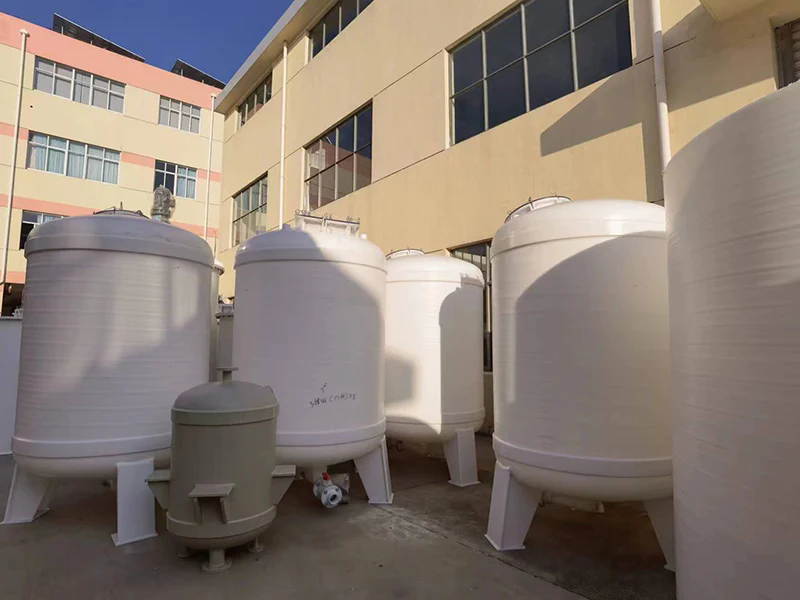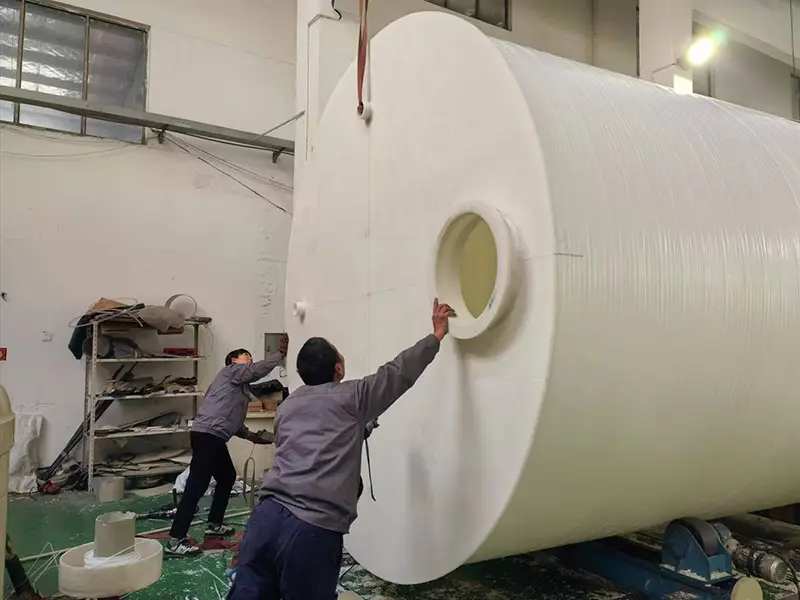
When purchasing PP vertical type storage tank for corrosive chemical storage, capacity selection is one of the most critical decisions. Improper tank capacity will lead to frequent shutdown for liquid transfer due to insufficient volume, or cause unnecessary capital waste and site occupation from over‑specification. As a professional manufacturer of custom PP and PPH vertical storage tanks, Xinda Chemical shares core capacity‑selection guidance for enterprises handling acid, alkali, salt solutions and organic solvents.
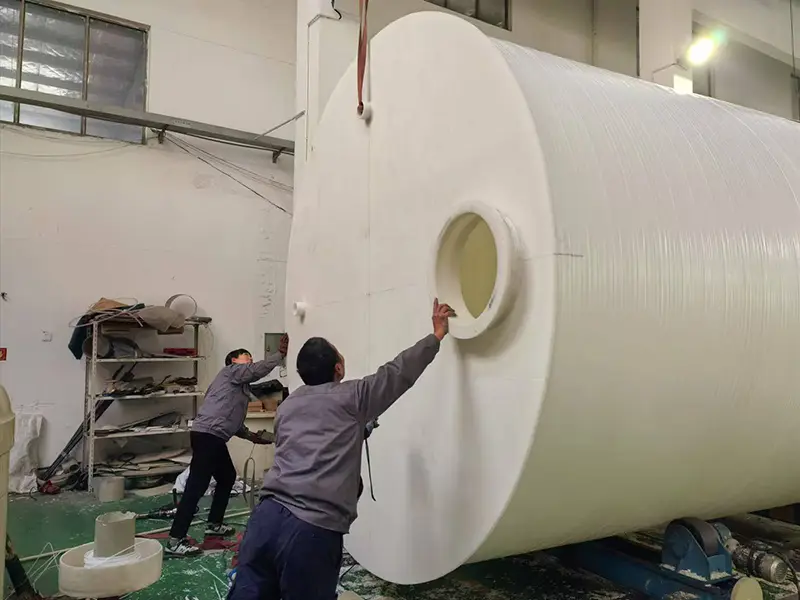
First of all, calculate your actual daily or batch consumption of corrosive chemicals. Buyers need to confirm key data including daily liquid usage, production cycle and supply cycle of raw chemicals. For continuous chemical production lines, the effective tank capacity is generally suggested to cover 3‑7 days of raw material consumption. For intermittent batch‑production workshops, the tank shall match the maximum single‑batch feeding volume, and reserve reasonable buffer space.
It is worth noting that the rated capacity marked on PP vertical type storage tank refers to total geometric volume. Users cannot fill the tank to 100% under real working conditions. Normally 80%‑85% filling ratio is recommended for corrosive liquid storage to leave expansion space for temperature change, which avoids liquid overflow risk caused by thermal expansion within ‑10℃ to 80℃ operating temperature range.
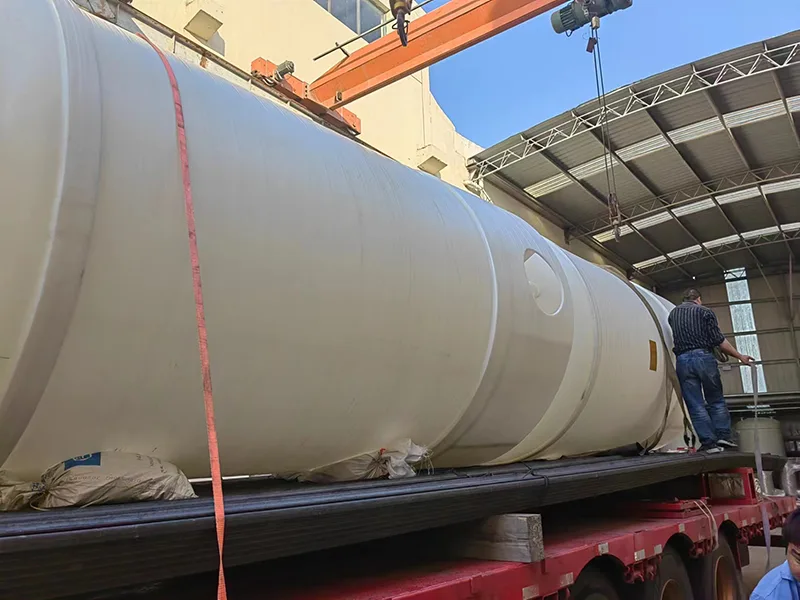
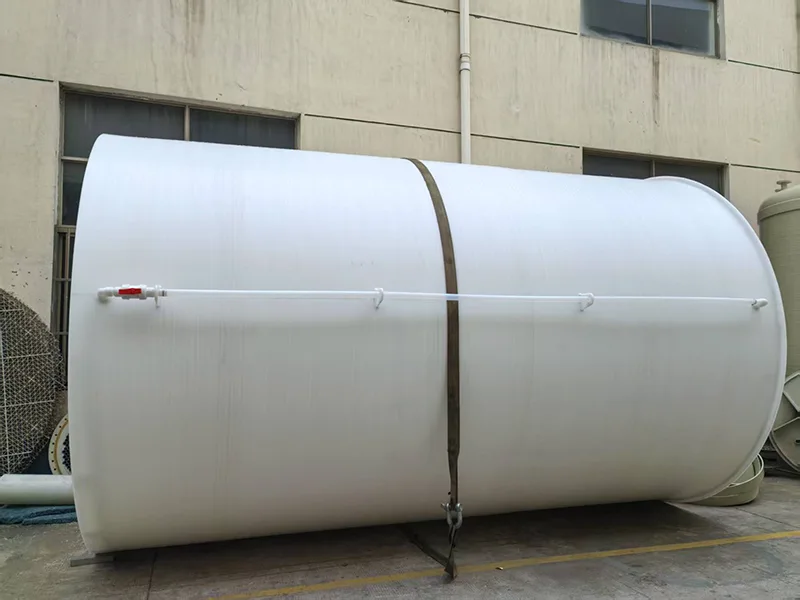
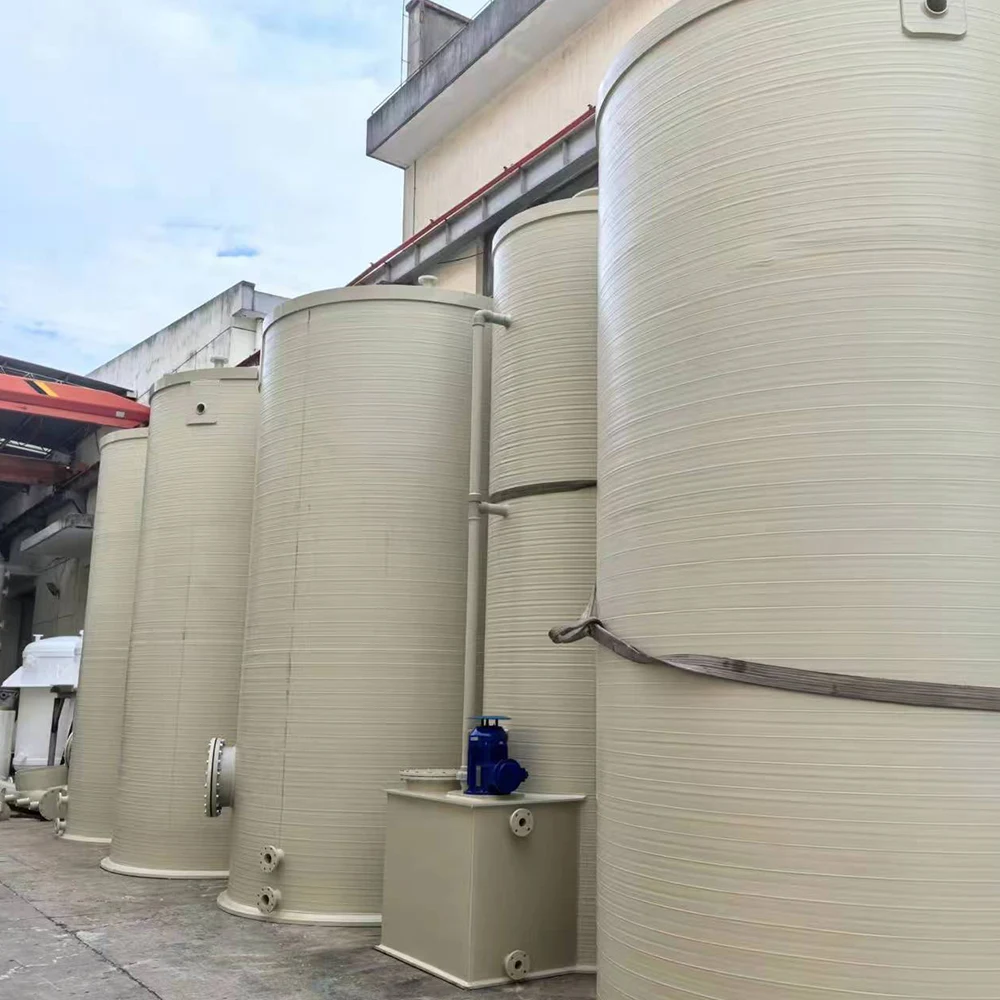
Secondly, evaluate on‑site installation constraints before finalizing tank capacity. Xinda Chemical’s PP vertical type storage tank supports custom capacity ranging from 0.05 m³ to 100 m³, with diameter from Φ300 mm to Φ4200 mm. Larger‑capacity tanks bring bigger overall dimension. Buyers need to measure available floor space, overhead clearance, hoisting access and foundation bearing capacity.
Compared with metal storage tanks, integrally‑formed PP / PPH tanks feature light weight. Even large‑volume models put much lower load requirements on plant foundations. However, ear‑hanging type and flat‑bottom type structures have different force‑bearing requirements. Site condition will restrict maximum available tank size, so capacity cannot be decided only according to production demand.
Third, take medium property and future business expansion into consideration. If stored corrosive media generate slight gas volatilization, extra reserved space shall be increased. In terms of long‑term planning, many factories will expand production capacity within 3‑5 years. It is more cost‑effective to properly upgrade tank capacity at the initial procurement stage, instead of adding extra storage sets in short order.
The design service life of Xinda Chemical PP vertical type storage tank exceeds 15 years under normal temperature and pressure. Reasonable surplus capacity can avoid early‑stage equipment elimination brought by capacity expansion.
Many purchasers tend to simply compare tonnage parameters when inquiring. It should be reminded that m³ is the standard volume unit for storage tanks. Actual weight of stored liquid depends on medium density. For example, the same 10 m³ PP tank holds different tonnage for water, strong acid and salt solution.
Do not confuse volume capacity with medium weight. Communicate with the manufacturer about your actual stored medium density, so Xinda Chemical can recommend matched tank volume and customize proper tank wall thickness accordingly.
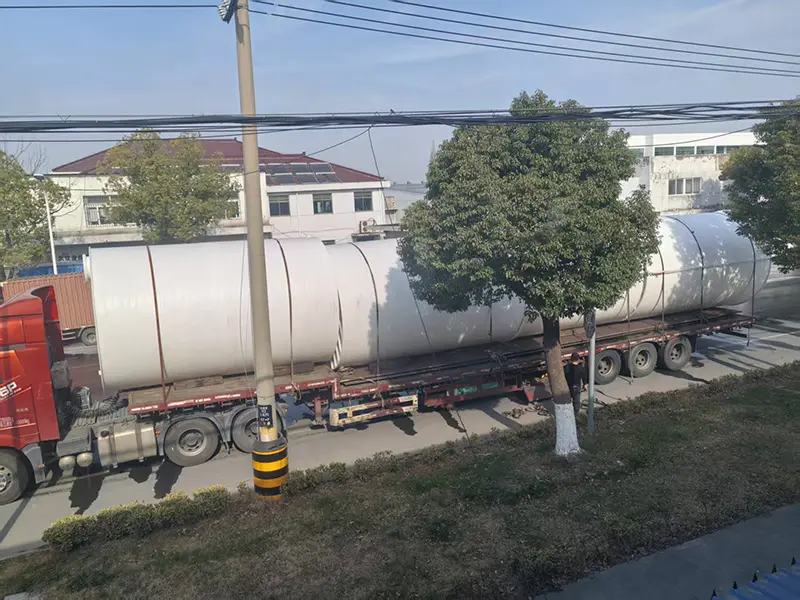
In addition, match capacity with application scenarios.
1. Small‑capacity 0.05‑5 m³ PP vertical tanks fit laboratory use, small‑batch reagent storage and pharmaceutical raw‑material storage with high hygiene requirements.All products comply with food and industrial hygiene standards, available in white or customized colors.
Compared with stainless steel or carbon steel lined metal tanks, PP vertical storage tanks feature excellent anti‑corrosion performance without electrochemical corrosion and pitting corrosion risks. But correct capacity matching is the precondition to give full play to its high cost‑performance. Blind pursuit of larger tonnage will increase procurement and transportation cost. Too‑small capacity will restrict production efficiency.
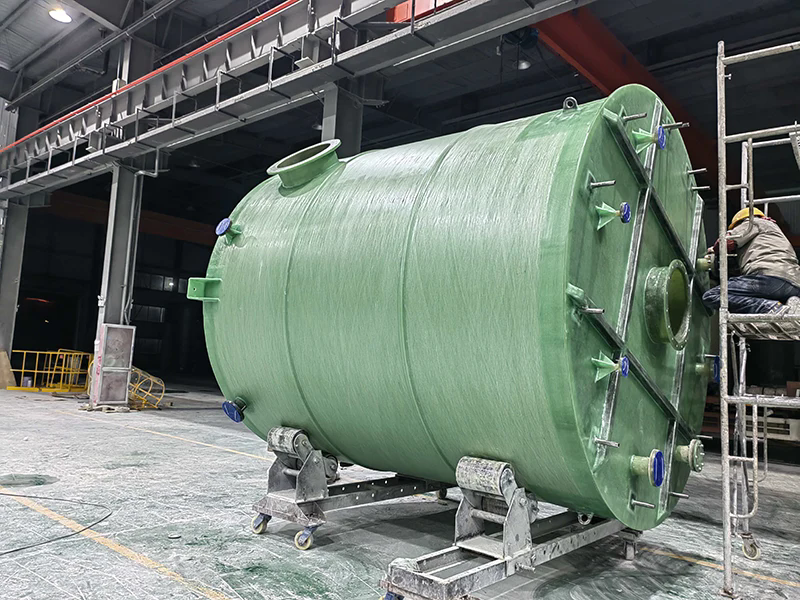
Xinda Chemical provides one‑stop custom wholesale service for PP vertical type storage tank. Our technical team will work with customers to sort out production consumption, medium characteristics, site conditions and expansion plans, and give targeted capacity suggestion, together with customized wall thickness, ear‑hanging / flat‑bottom structure, sealing and discharge system. All tanks adopt integral winding or welding forming process for non‑leak tank body, suitable for chemical, environmental‑protection, food and pharmaceutical industries.