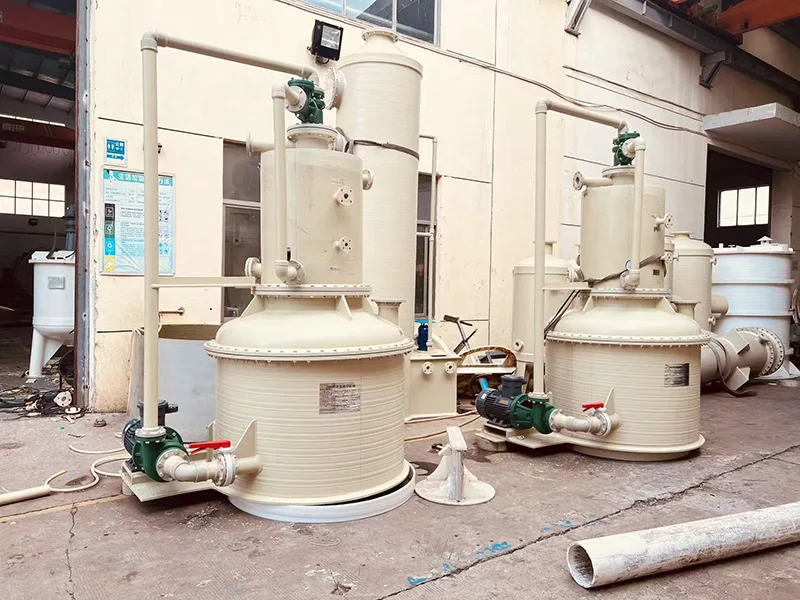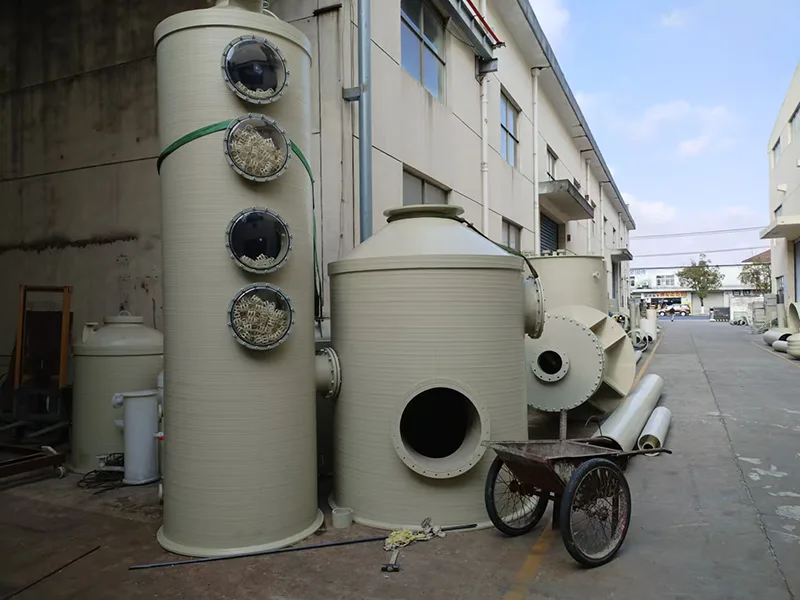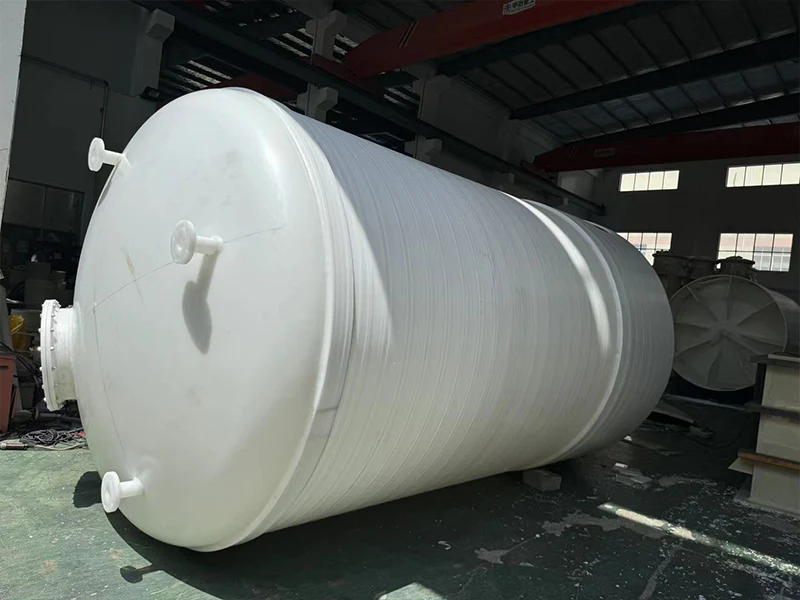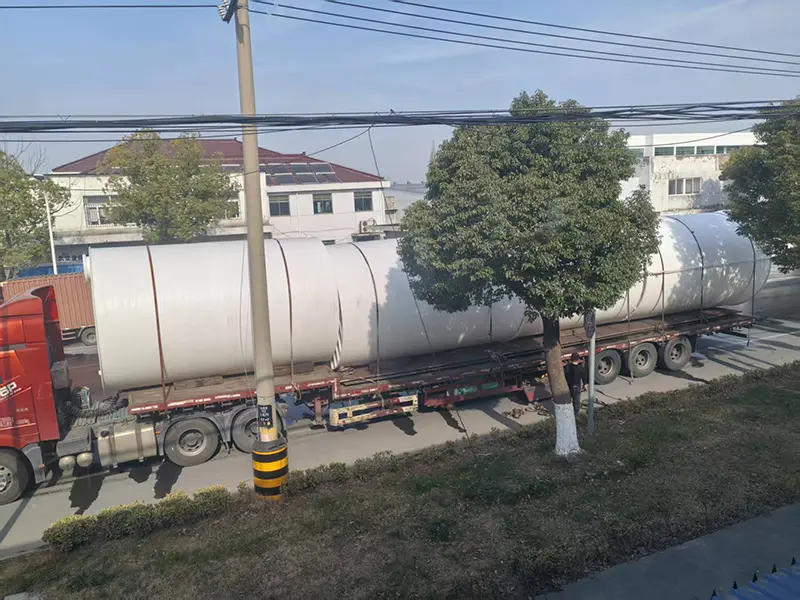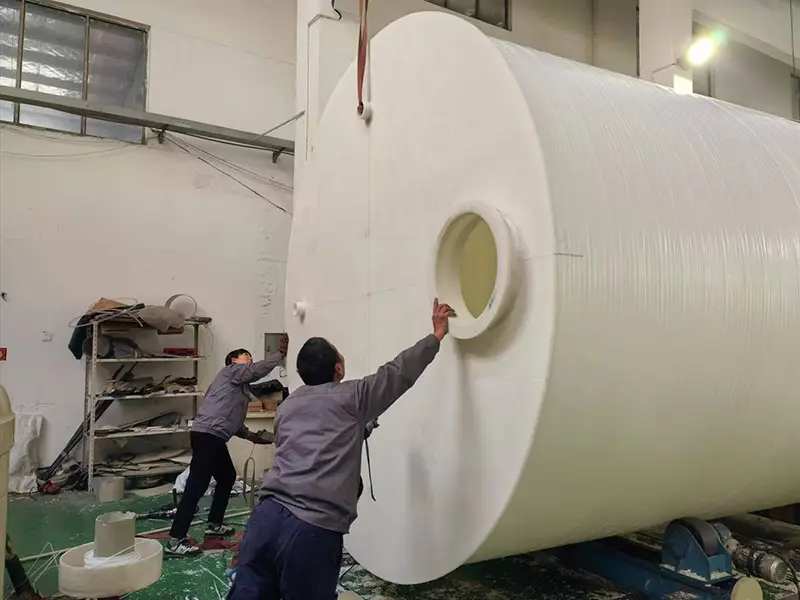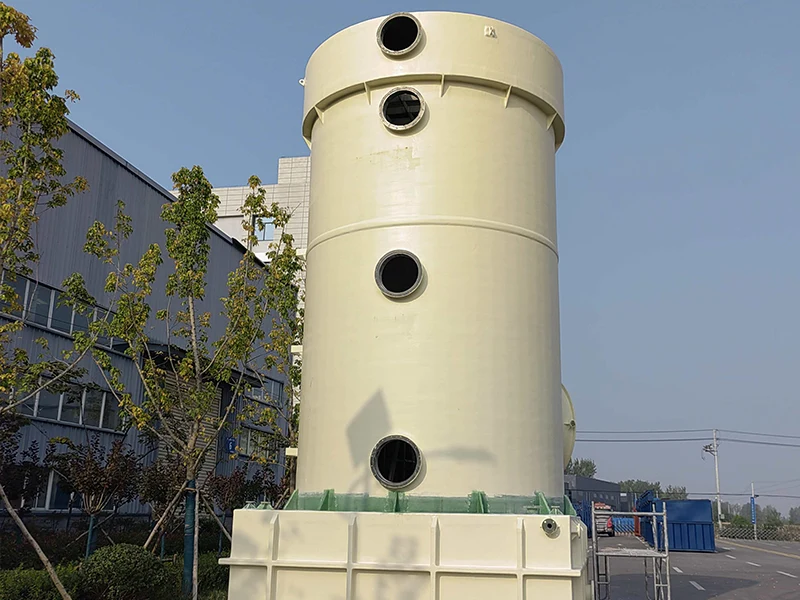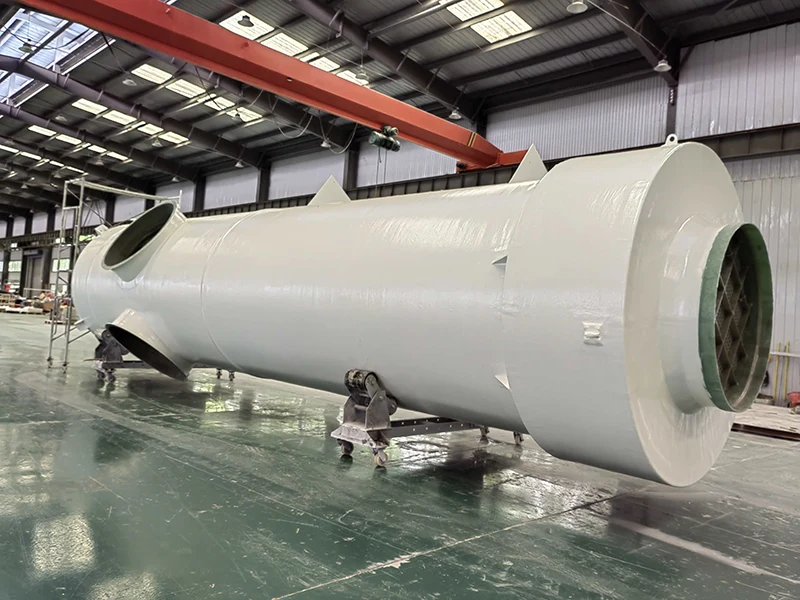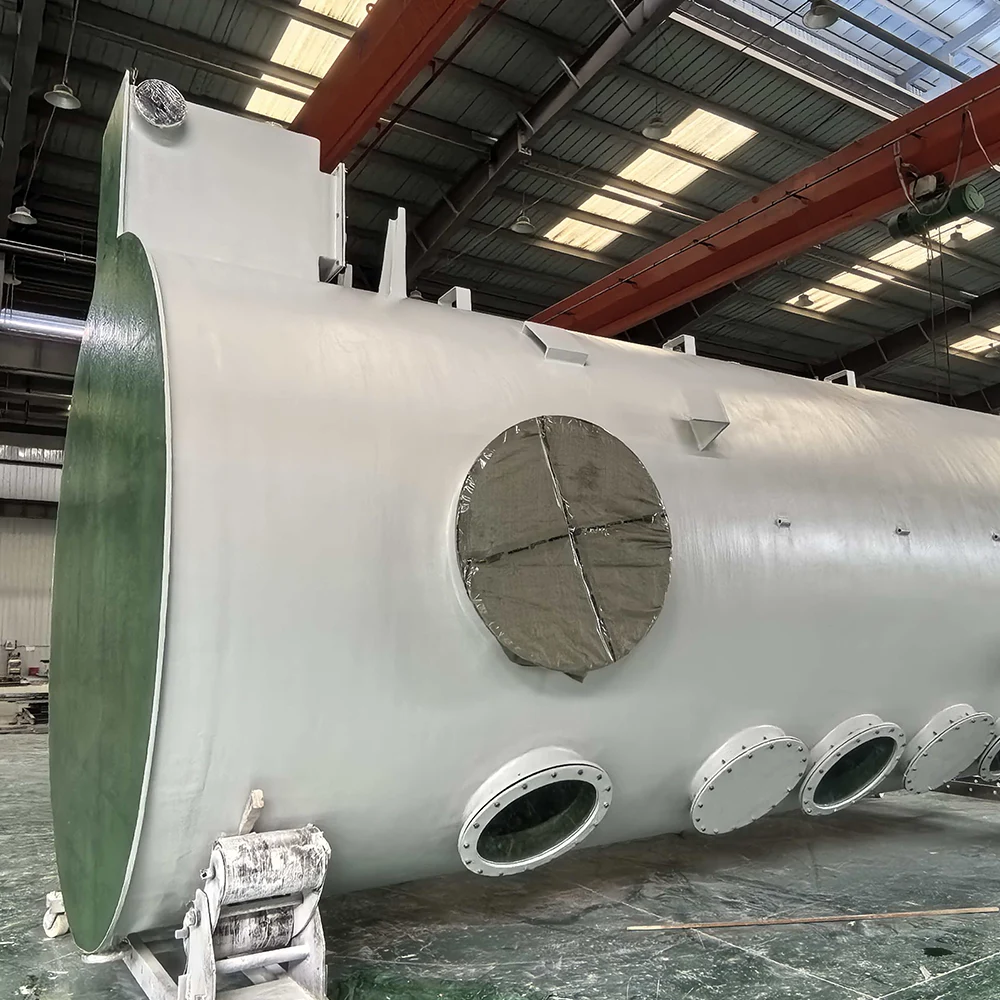
Polypropylene storage tanks have become a cornerstone in industrial, chemical, and agricultural sectors due to their durability, chemical resistance, and cost-efficiency. Designed to store a wide range of liquids, including corrosive chemicals and potable water, these tanks combine reliability with environmental adaptability.
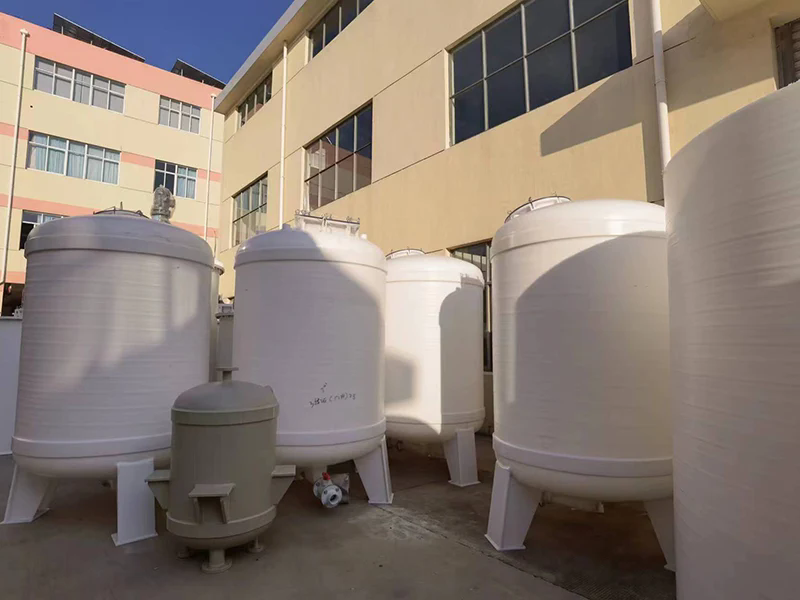
Polypropylene (PP) storage tanks operate by leveraging the material’s intrinsic properties. Polypropylene is a thermoplastic polymer known for its exceptional chemical resistance, low density, and high impact strength. These characteristics allow tanks to safely store a broad range of substances without risk of corrosion or contamination.
Industries use polypropylene storage tanks in diverse environments:
Chemical Industry: For acids, alkalis, and solvents that cannot be stored in metal containers.
Food & Beverage Industry: Safe for storing edible liquids due to non-toxic and FDA-compliant properties.
Agriculture: Used for fertilizers, pesticides, and water irrigation storage.
Pharmaceuticals: Maintains high purity standards for sensitive compounds.
The operational principle is straightforward: the tanks are designed with reinforced walls and compatible fittings to hold liquids under controlled conditions. Advanced models include features such as UV stabilization, reinforced ribs for structural integrity, and modular designs for ease of installation and maintenance.
Key Advantages in Industrial Applications:
Exceptional chemical resistance preventing leakage and contamination.
Lightweight and easy to transport compared to steel tanks.
Minimal maintenance requirements and long service life.
Cost-effective production and replacement compared to stainless steel or fiberglass options.
The engineering behind polypropylene storage tanks emphasizes structural strength, chemical compatibility, and operational safety. The production process usually involves rotational molding or extrusion, resulting in seamless tanks that reduce leakage risks. Tanks can be manufactured in various sizes, shapes, and thicknesses depending on storage needs and regulatory requirements.
Technical Specifications of Polypropylene Storage Tanks:
| Parameter | Description |
|---|---|
| Material | High-quality polypropylene (PP) |
| Density | 0.905 – 0.950 g/cm³ |
| Temperature Resistance | -20°C to 95°C |
| UV Stabilization | Optional UV-resistant additives for outdoor applications |
| Capacity | 50L – 50,000L |
| Wall Thickness | 5mm – 30mm (depending on size and pressure rating) |
| Reinforcement | Integrated ribs or double-walled design for high-pressure resistance |
| Chemical Compatibility | Resistant to acids, bases, salts, and most organic solvents |
| Color Options | Natural, black, blue, or custom according to UV protection or branding |
| Lifespan | 10–20 years depending on usage and environmental conditions |
Safety features often include venting systems, anti-overflow designs, and compatibility with automated monitoring instruments, ensuring operational reliability. Polypropylene’s low reactivity prevents any interaction with stored liquids, making it ideal for sensitive industrial applications.
Using polypropylene storage tanks effectively requires understanding operational requirements, environmental conditions, and maintenance practices. Businesses can achieve higher efficiency and sustainability by:
Strategic Placement: Tanks should be installed with proper drainage, secondary containment, and adequate ventilation to prevent accidental spillage or pressure buildup.
Regular Maintenance: Even though polypropylene is low-maintenance, inspecting fittings, seals, and wall integrity ensures long-term reliability.
Custom Sizing: Choosing tank capacities appropriate for specific production volumes reduces waste and maximizes space utilization.
Integration with Automation: Many tanks are compatible with flow meters, level sensors, and automated valves, enhancing production efficiency and reducing human error.
Future Trends in Polypropylene Storage Tanks:
Smart Tanks: Integration with IoT sensors to monitor chemical levels, temperature, and leakage in real-time.
Sustainable Manufacturing: Use of recycled polypropylene and eco-friendly production techniques.
Hybrid Designs: Combination with metal or fiberglass reinforcements for specialized high-pressure applications.
Regulatory Compliance Enhancements: Compliance with stricter environmental and food safety standards in global markets.
By adopting these trends, industries can reduce operational costs, enhance safety, and support environmental sustainability.
Common Question 1: How resistant are polypropylene storage tanks to extreme chemicals?
Answer: Polypropylene storage tanks exhibit high resistance to a wide range of acids, bases, salts, and organic solvents. Their molecular structure prevents chemical degradation, which reduces leakage and contamination risks. Tanks can also be reinforced for applications involving high-concentration corrosive chemicals.
Common Question 2: How long do polypropylene storage tanks typically last?
Answer: The average lifespan of a polypropylene storage tank ranges from 10 to 20 years depending on the storage environment, UV exposure, and maintenance practices. With proper care, such as periodic inspection and protection from direct sunlight, tanks maintain structural integrity and performance over the long term.
Brand Spotlight: Xinda Polypropylene Storage Tanks
Xinda has been delivering high-quality polypropylene storage tanks engineered for durability, chemical resistance, and efficiency. Their range of products meets rigorous industrial standards and provides scalable solutions for chemical, food, agricultural, and pharmaceutical sectors. With innovative designs and customizable specifications, Xinda ensures that clients can store liquids safely and sustainably.
For inquiries or customized solutions, contact us for professional guidance and product consultation.