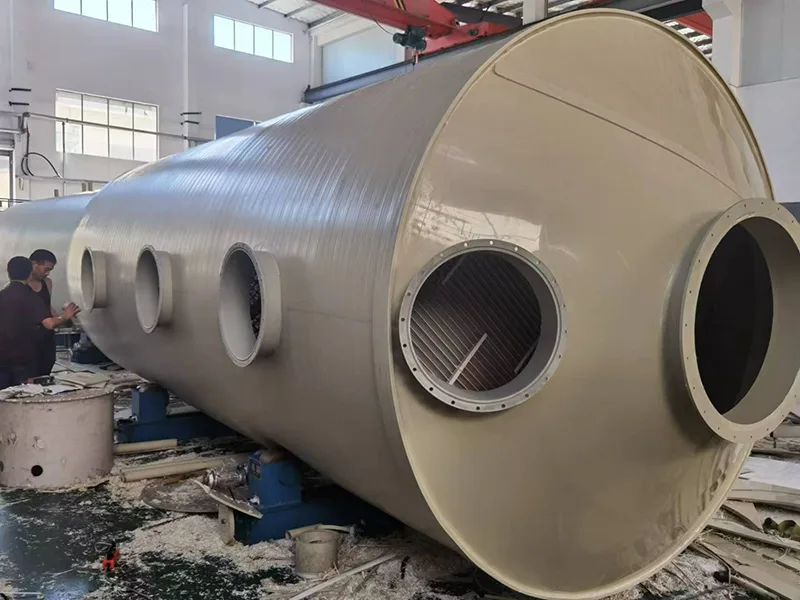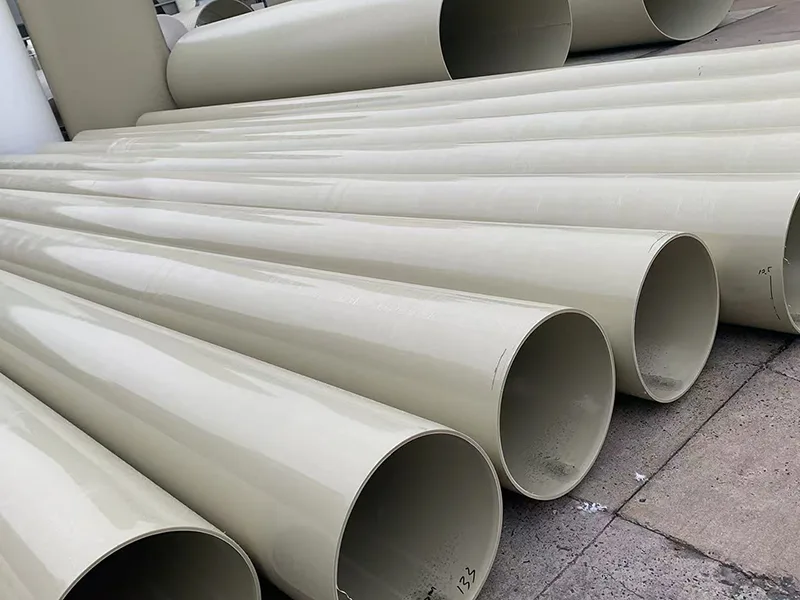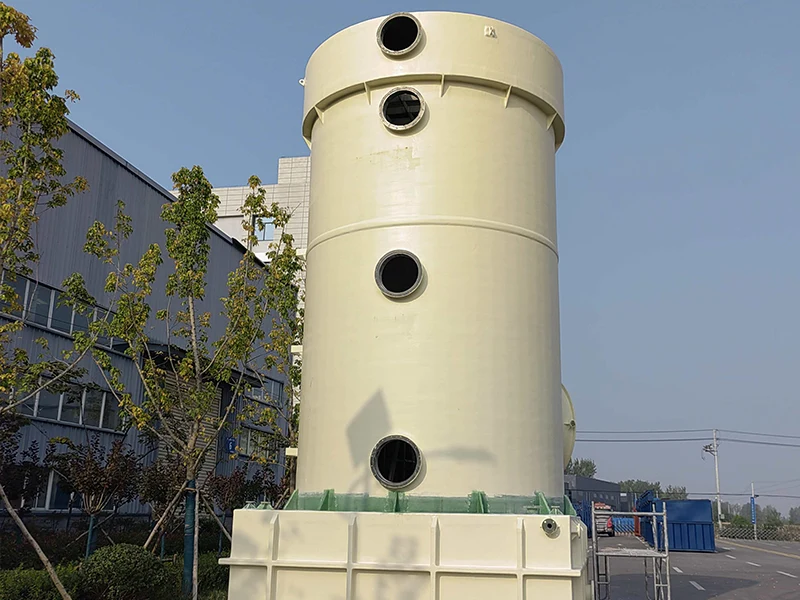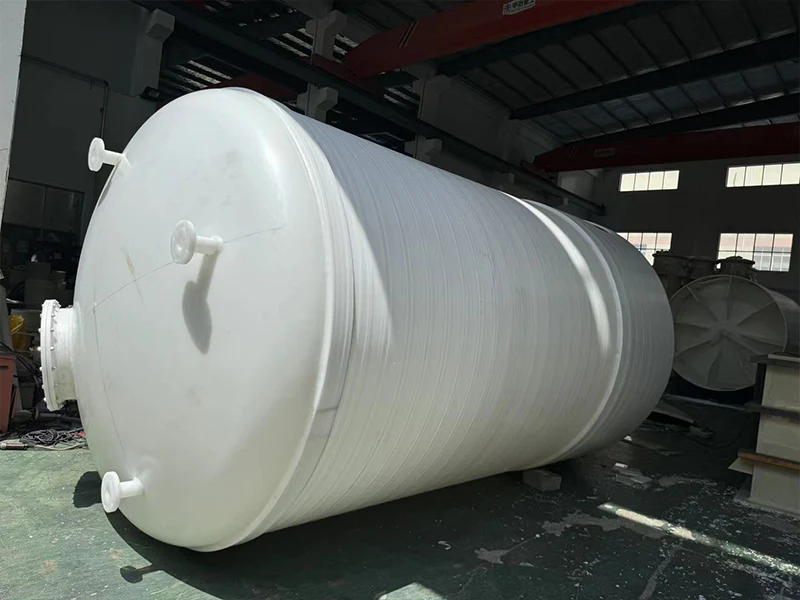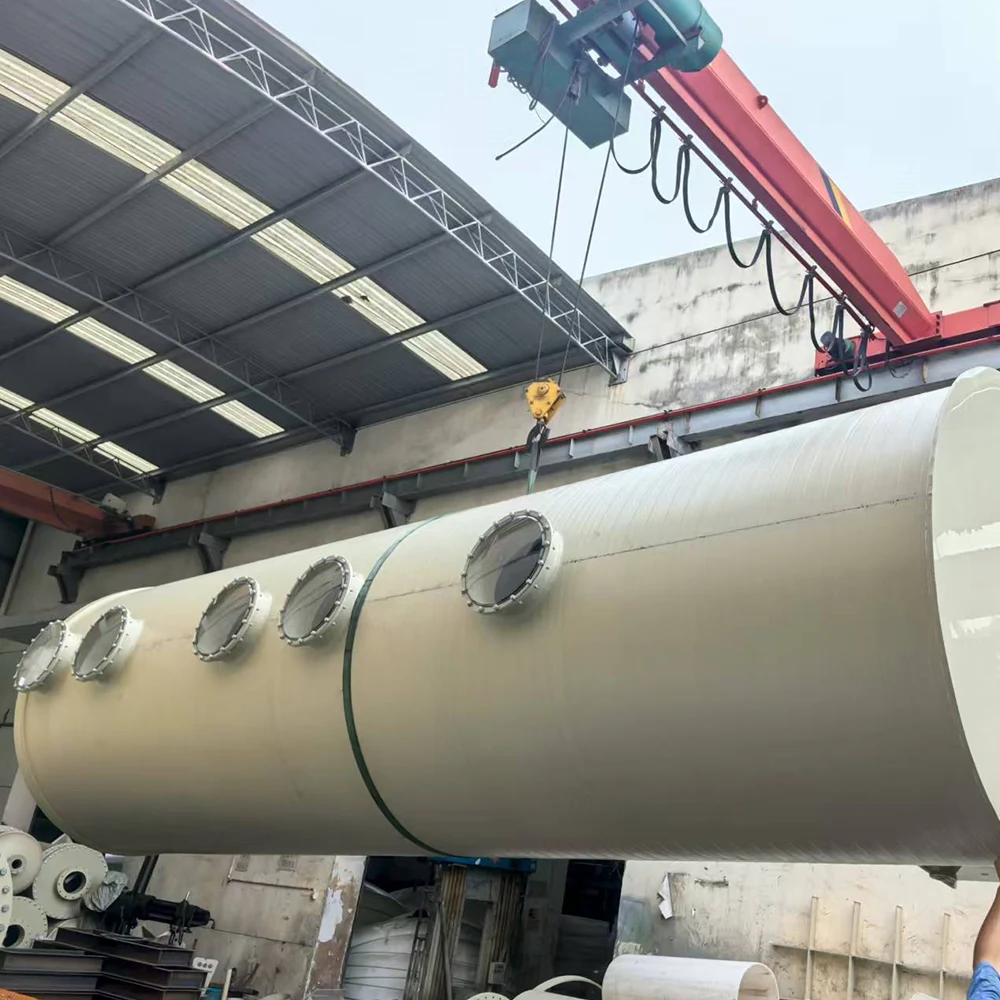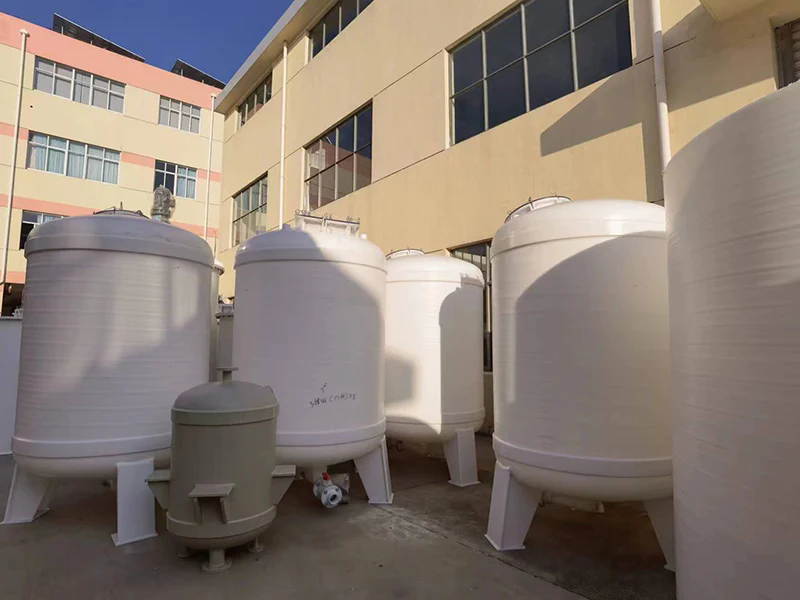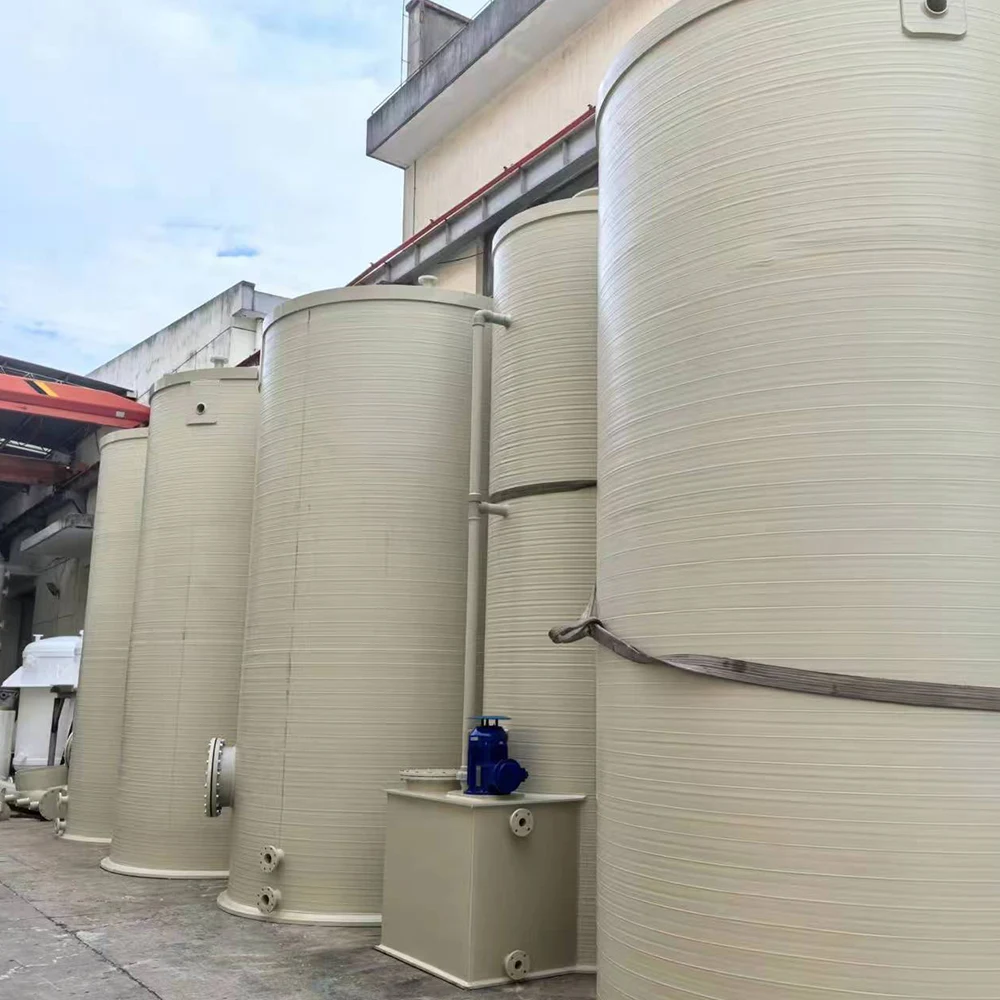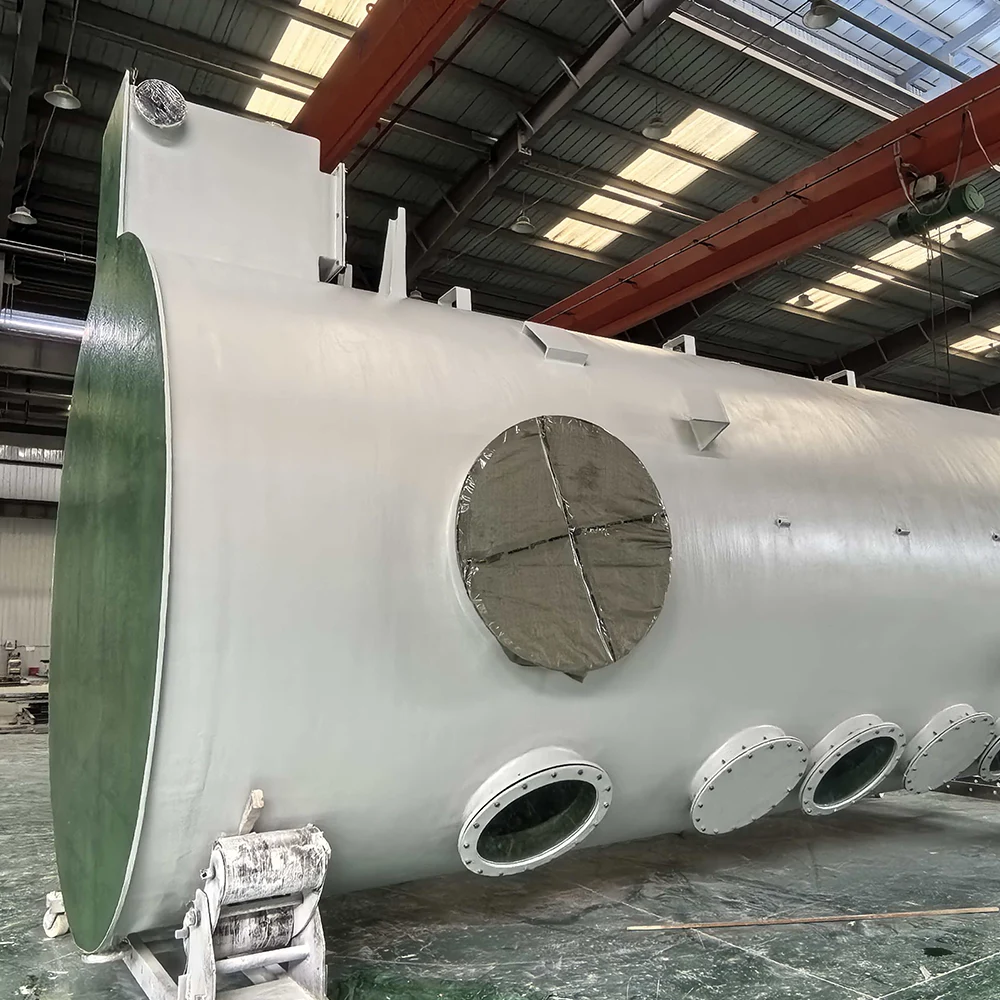
In chemical processing and environmental protection industries, the sealing of storage tanks, reactors, and pipelines is essential for safety and operational efficiency. The PPH Head from Xinda Chemical is a high-performance sealing component manufactured from high-crystalline polypropylene homopolymer (PPH). Its excellent corrosion resistance, high strength, and dimensional precision make it a reliable choice for equipment requiring durable, leak-proof seals. This article examines the material properties, manufacturing methods, and application advantages of this sealing element, and why it is a preferred solution for industries handling corrosive media.
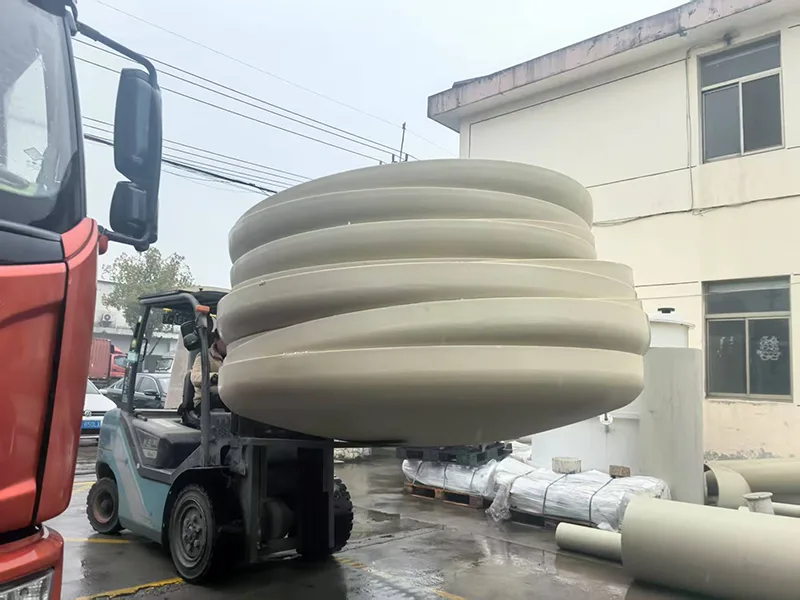
In industries such as chemical processing, pharmaceuticals, and environmental water treatment, the integrity of storage and processing equipment depends on the quality of its sealing components. Leaks in tanks, reactors, or pipelines can lead to product contamination, safety hazards, and environmental damage. The PPH Head is a specialized sealing component designed to address these challenges, providing a durable, corrosion-resistant barrier that ensures reliable containment of aggressive chemicals.
Taicang Xinda Chemical Equipment Factory has been manufacturing chemical equipment since 1999. With a 12,000-square-meter facility, ISO 9001 certification, and a focus on corrosion-resistant products, the company has built a reputation for quality and reliability. This article explores the features, specifications, and applications of their PPH head.
Below is a summary of the key specifications for the PPH Head from Xinda Chemical.
| Attribute | Specification Details |
| Material | High-crystalline polypropylene homopolymer (PPH) |
| Manufacturing Methods | Mold pressing, seamless winding, one-piece injection molding |
| Corrosion Resistance | Resistant to acids, alkalis, salts, and other corrosive media |
| Strength & Impact Resistance | High strength, good impact resistance |
| Temperature Range | -20°C to +120°C |
| Connection Methods | Hot-melt welding, flange connection |
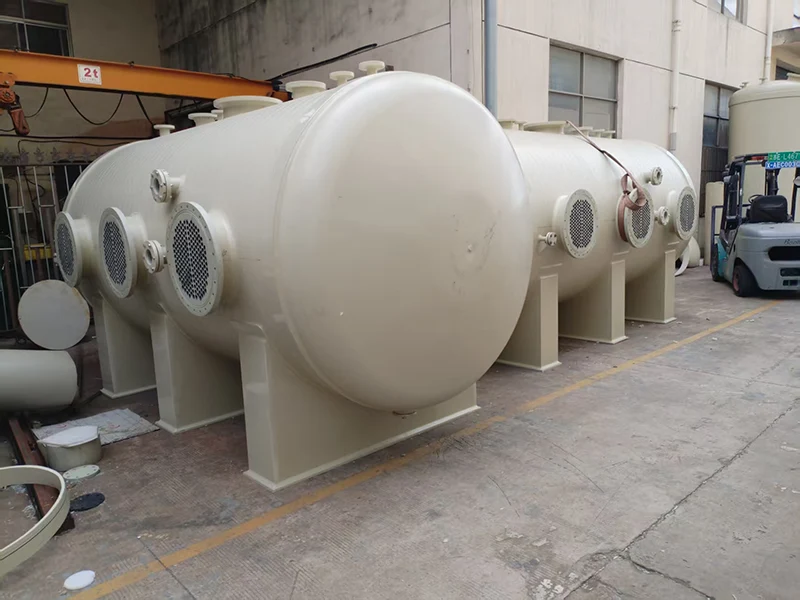
| Applications | PPH storage tanks, reaction vessels, vacuum tanks, pipelines |
| Certifications | ISO 9001 |
These specifications reflect the product's suitability for demanding industrial environments where corrosion resistance and sealing reliability are critical.
The quality of a sealing component is determined by the material used and the manufacturing process. This product addresses both factors with precision.
The head is manufactured from high-crystalline polypropylene homopolymer (PPH), a material known for its excellent chemical resistance, mechanical strength, and thermal stability. PPH offers superior resistance to acids, alkalis, salts, and other corrosive media, making it suitable for handling aggressive chemicals that would degrade many other materials. The material's high crystallinity contributes to its strength and dimensional stability, ensuring that the head maintains its shape and sealing properties under operating conditions.
The production process employs advanced techniques such as mold pressing, seamless winding, and one-piece injection molding. These methods produce a dense, uniform structure that is free from voids and defects. Compared to traditional hand lay-up processes, these manufacturing methods offer higher production efficiency, more consistent quality, and better environmental compliance. The precision of the manufacturing process ensures that each head meets tight dimensional tolerances, guaranteeing a proper fit and reliable seal.
A key advantage of this product is its compatibility with hot-melt welding. Because the head is made from the same PPH material as the main equipment, hot-melt welding creates a strong, homogeneous joint that eliminates the corrosion risk associated with dissimilar material connections. This compatibility ensures a leak-proof seal and long-term reliability.
The head is widely used in industries that require corrosion-resistant equipment and reliable sealing:
• Chemical processing – Used in PPH storage tanks, reactors, and pipelines handling corrosive chemicals.
• Pharmaceutical manufacturing – Provides hygienic, corrosion-resistant sealing for pharmaceutical processing equipment.
• Environmental water treatment – Used in wastewater treatment systems where chemical resistance is essential.
• Food and beverage processing – Suitable for applications requiring clean, corrosion-resistant sealing.
• Petrochemical industry – Used in storage and processing equipment handling a variety of aggressive media.
• Dye and metallurgy industries – Provides reliable sealing for equipment exposed to corrosive substances.
The versatility of this product makes it a practical choice for equipment manufacturers and plant operators across these sectors.
Proper installation is essential to ensure reliable performance. The head is typically installed at the end of pipes or vessels using one of two methods:
• Hot-melt welding – The head is welded directly to the pipe or vessel using controlled heating. This method creates a seamless, homogeneous joint that provides excellent sealing and strength. Precise temperature and time control are required to ensure a reliable connection.
• Flange connection – The head can be installed using flanges with gaskets. This method allows for easier disassembly and maintenance.
Maintenance requirements are minimal. Routine inspection of connection points for signs of loosening or aging is recommended to ensure continued safe operation.
A: The head is made from high-crystalline polypropylene homopolymer (PPH), a material known for its excellent corrosion resistance and mechanical strength.
A: The head can operate reliably in the temperature range of -20°C to +120°C.
A: The head can be installed using hot-melt welding or flange connections. Hot-melt welding provides a seamless, homogeneous joint.
A: They are widely used in chemical processing, pharmaceuticals, environmental water treatment, food processing, and petrochemical industries.
A: This product offers higher production efficiency, more stable quality, and better environmental compliance compared to traditional hand-layup methods. The hot-melt welding compatibility also eliminates corrosion risks associated with dissimilar materials.
A: Yes, the product can be customized according to equipment size, pressure level, and connection method.
For industries that rely on corrosion-resistant equipment, the choice of sealing components directly impacts safety, reliability, and operational costs. The PPH Head from Xinda Chemical offers a durable, high-performance solution that combines corrosion resistance, mechanical strength, and excellent sealing properties. With ISO 9001 certification and over 25 years of manufacturing experience, Xinda Chemical provides a product that meets the demands of chemical, pharmaceutical, and environmental applications. For technical specifications, custom sizing, or to discuss your project requirements, the Xinda Chemical team is available to assist.