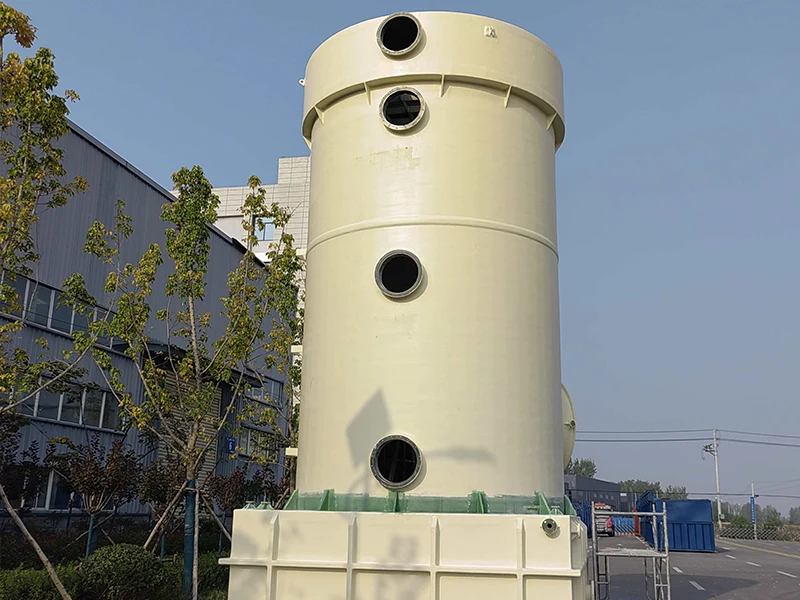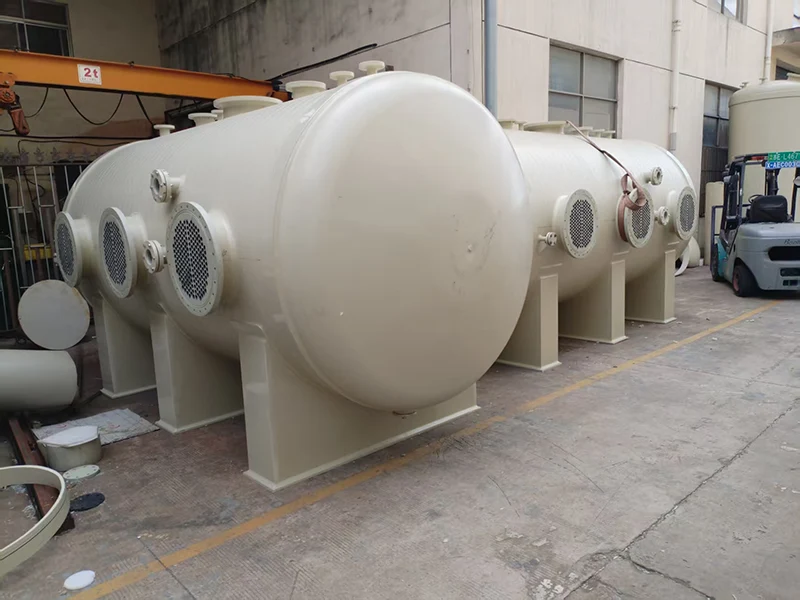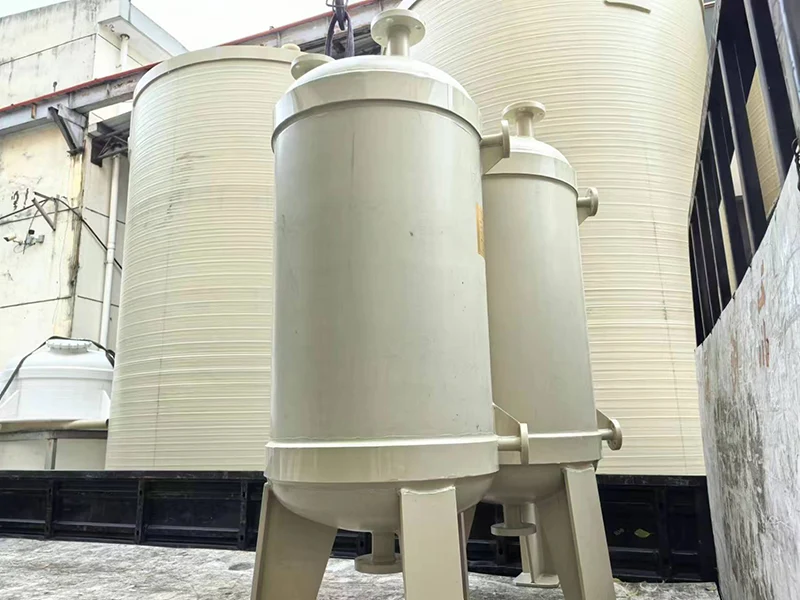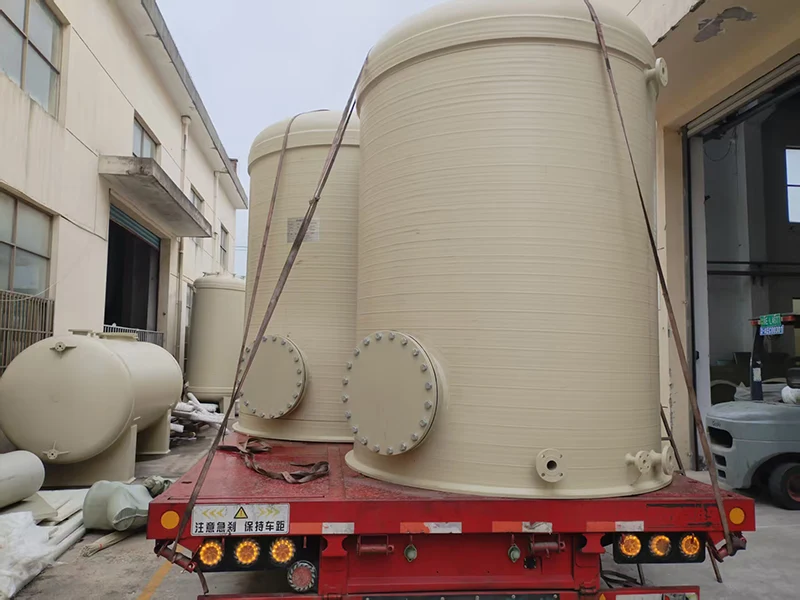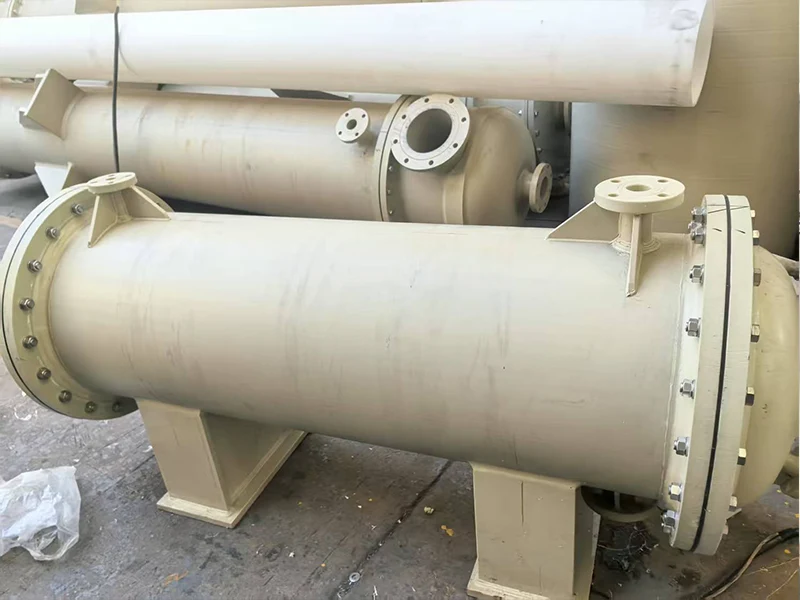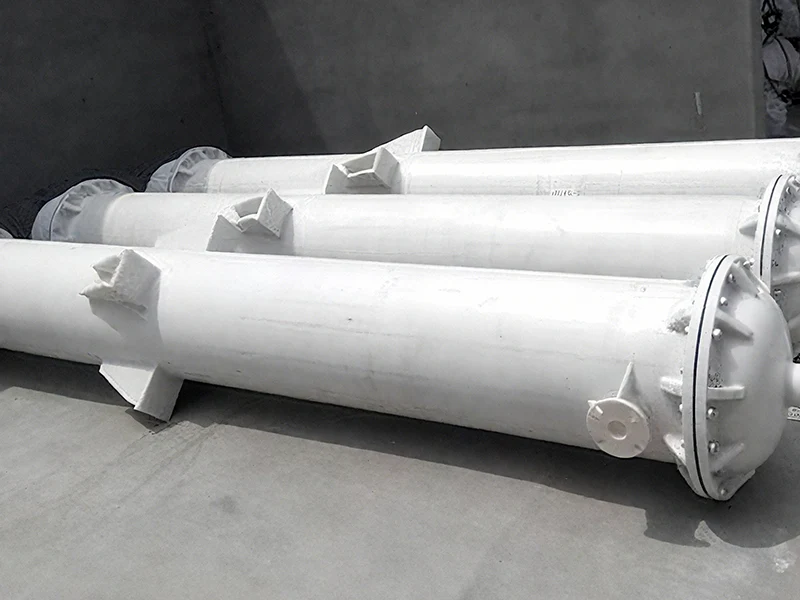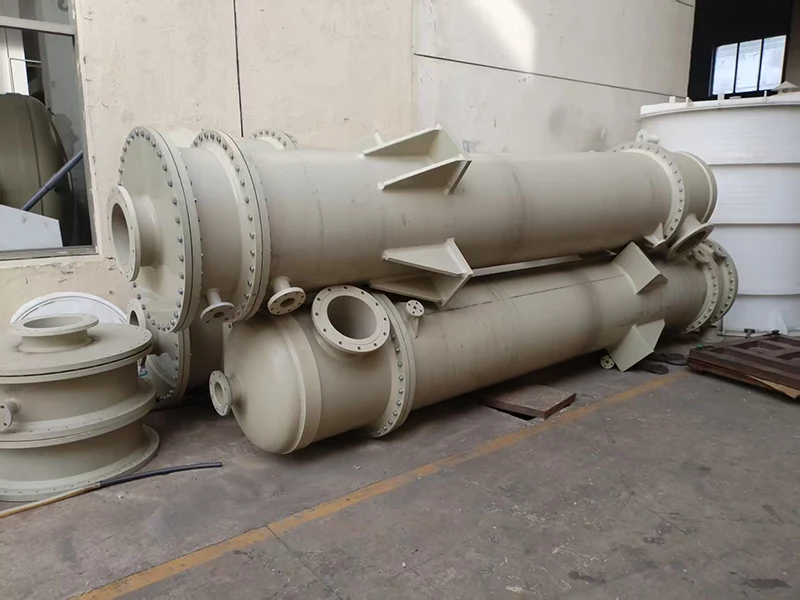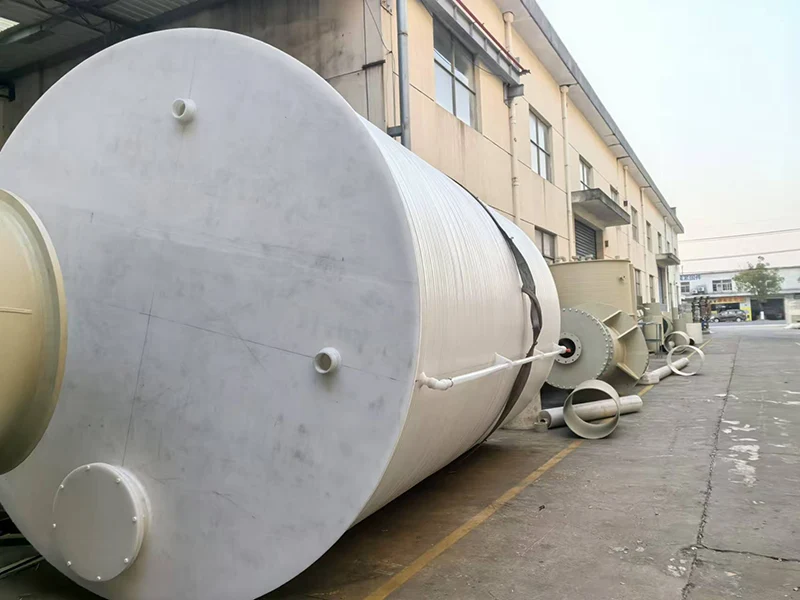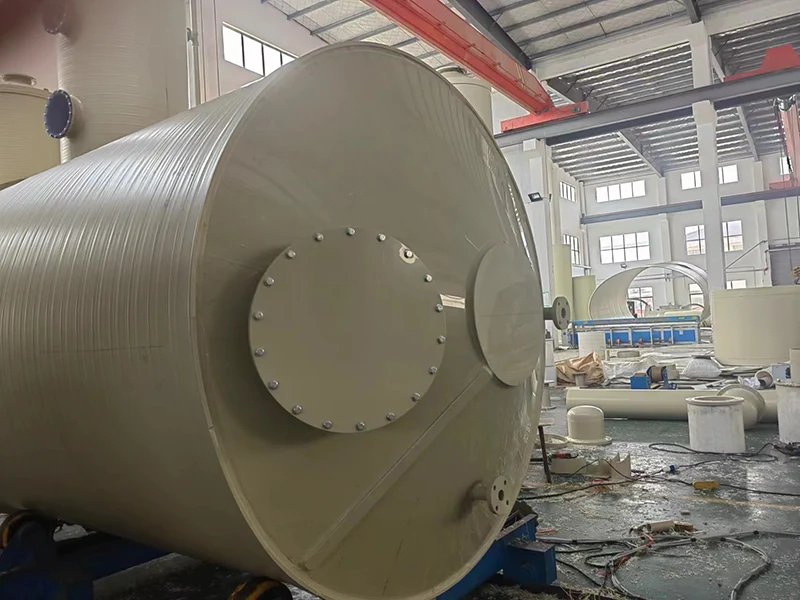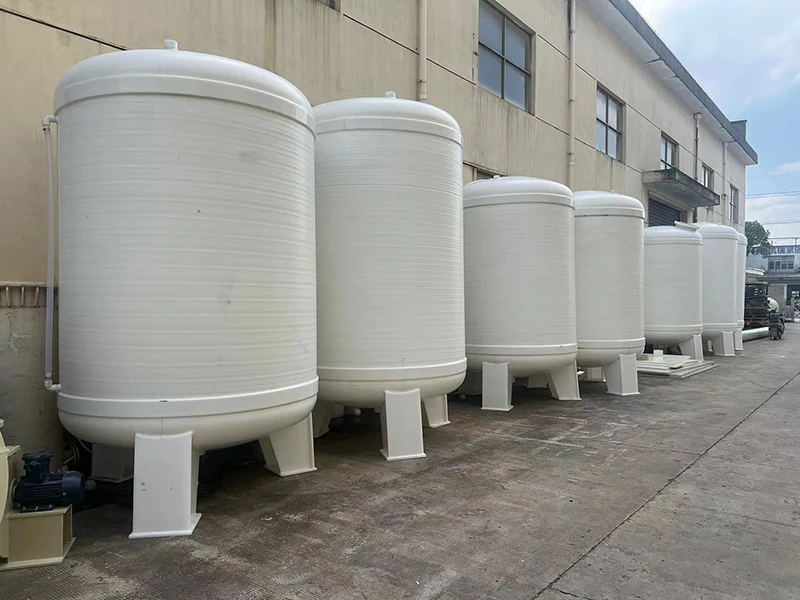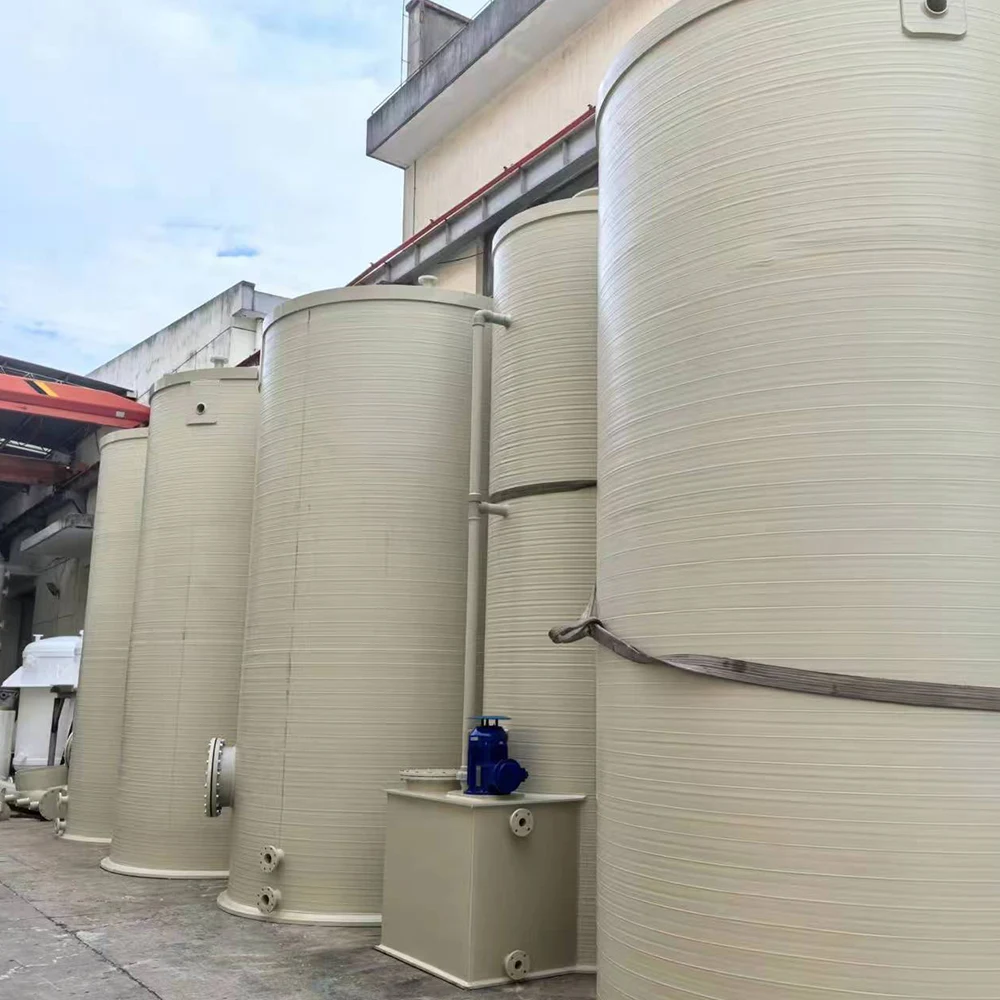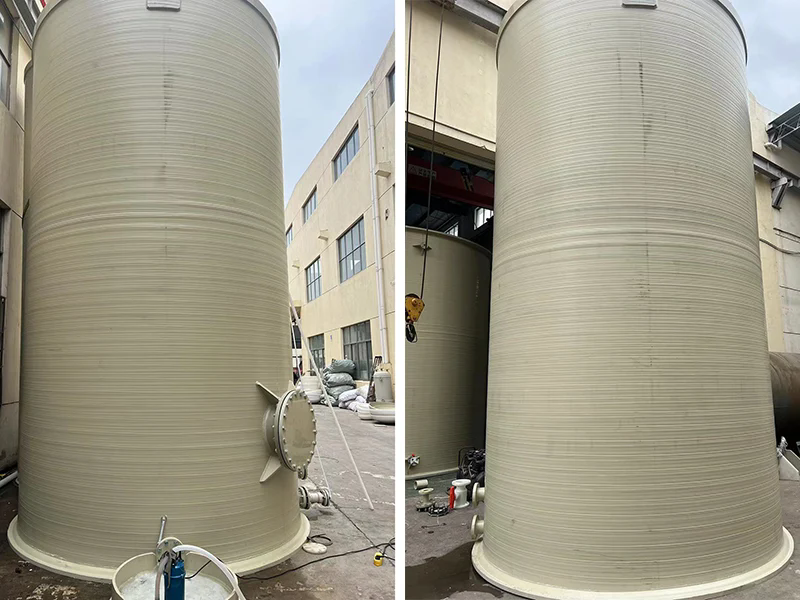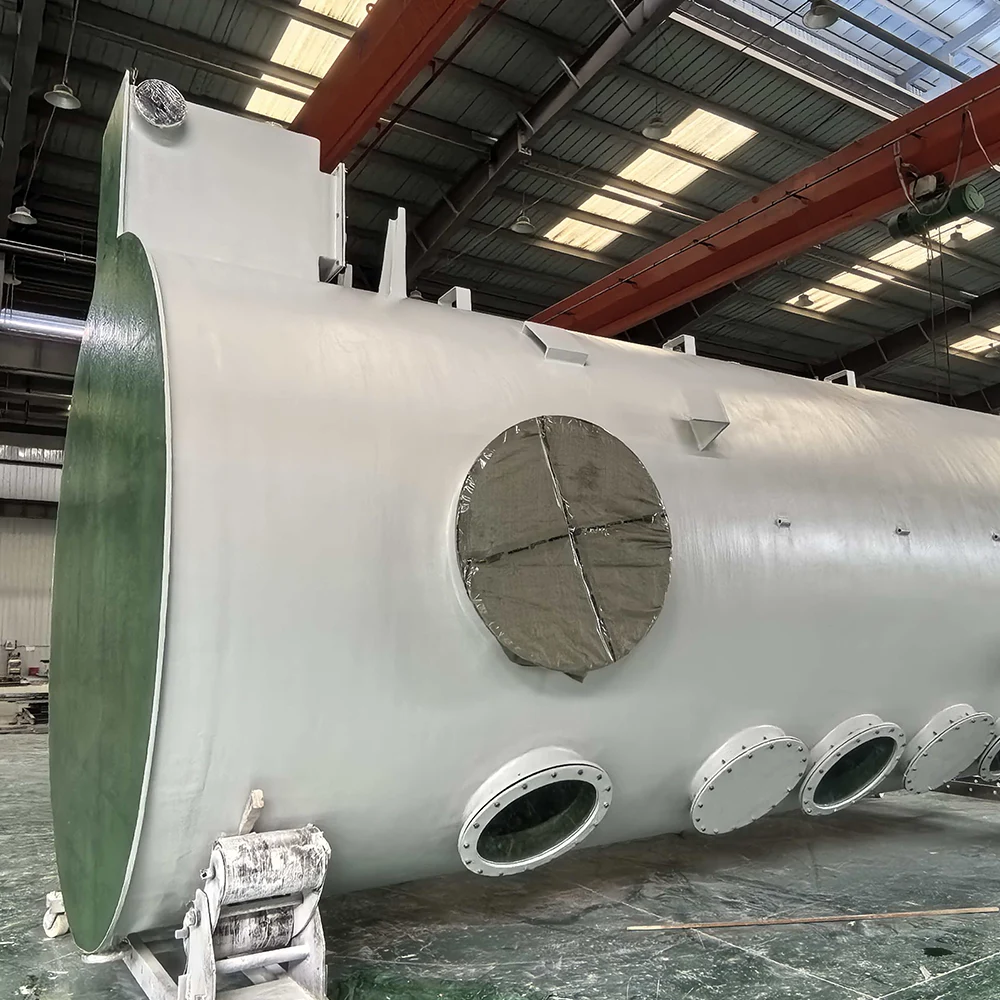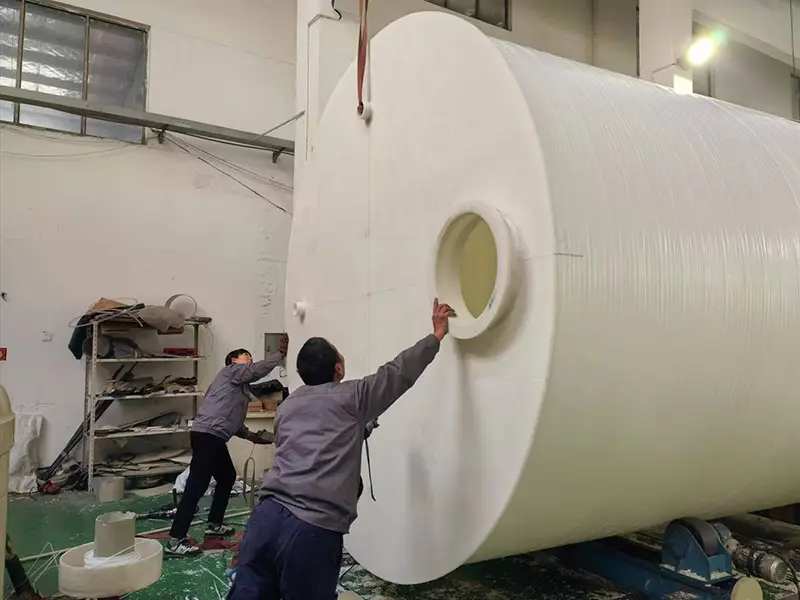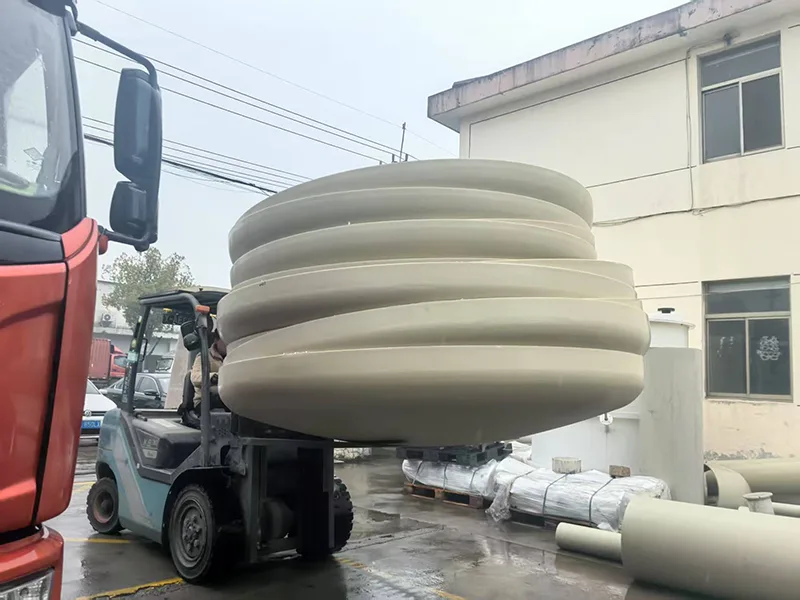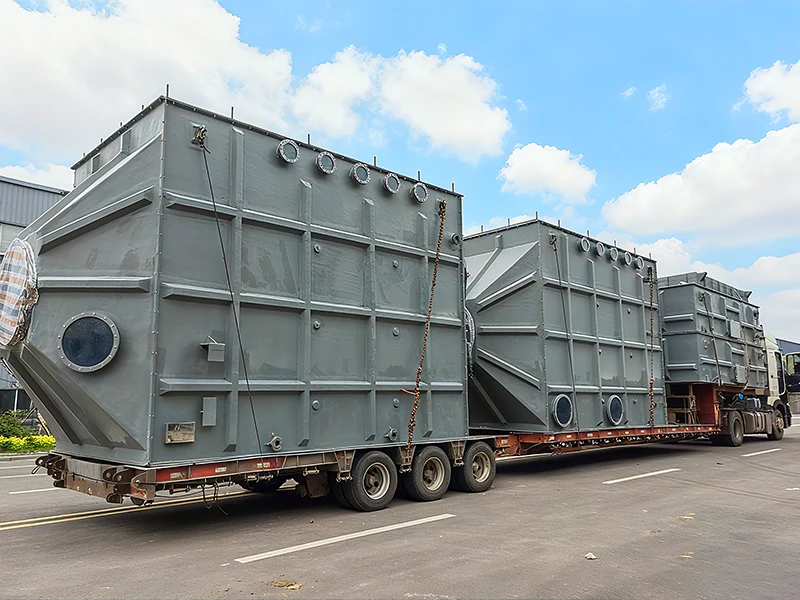


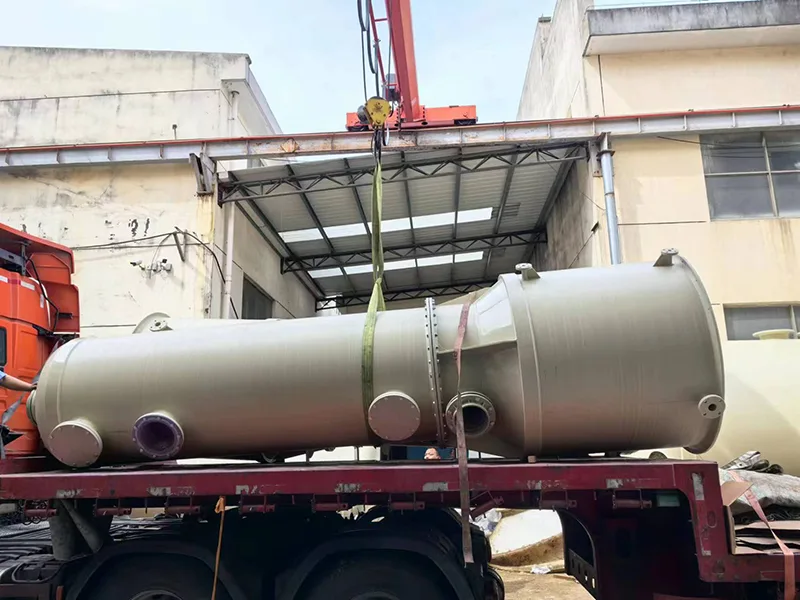
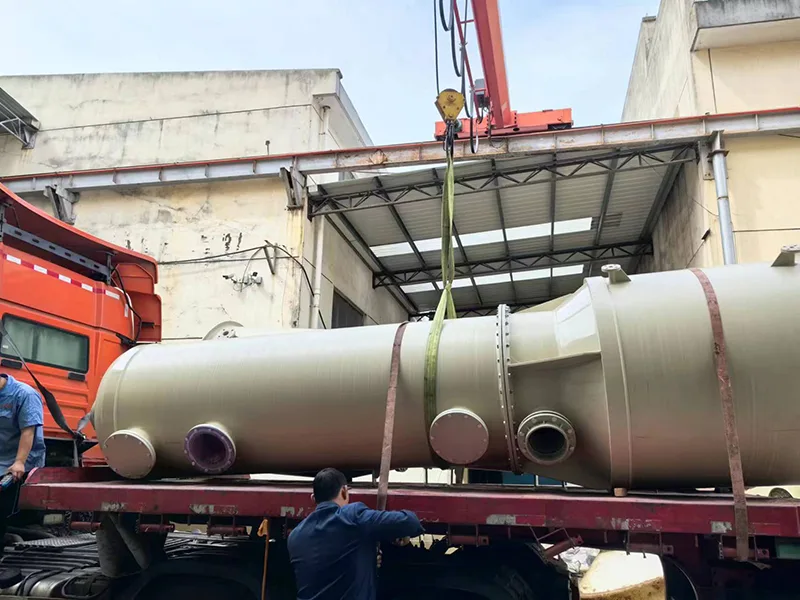
Xinda Chemical’s polypropylene tail gas absorption tower made in China is manufactured by high quality polypropylene and manufactured by a rolling molding process to ensure that the equipment is weld-free, corrosion resistant and overall high strength.The designed working pressure is less than 0.3MPa, and the operating temperature range is from -10℃ to 100℃, which can adapt to a variety of industrial environments.The equipment uses ion exchange resin and ions in the solution (such as calcium, magnesium) reversible exchange reaction, efficient removal of impurities, to achieve hard water softening, pure water preparation and material separation and purification.
The product structure is light, long service life, support hydrochloric acid or sodium hydroxide solution regeneration, can be recycled.Widely used in chemical, pharmaceutical, food and other industries of wastewater treatment, raw material recovery, as well as scientific research laboratory sample preparation and biological molecule separation, is a reliable and efficient separation and purification equipment.
|
Item |
Description |
|
Equipment Name |
Polypropylenetail gas absorption tower |
|
Main Function |
Through gas-liquid contact and neutralization reaction, the harmful components in the exhaust gas are removed to achieve gas purification or solvent recovery. |
|
Working Principle |
Gas-liquid contact mass transfer, chemical neutralization/physical absorption. |
|
Applicable Gas Types |
water-soluble and corrosive gases, including: hydrogen chloride (HCl), hydrogen fluoride (HF), ammonia (NH₃), sulfuric acid mist (H₂SO₄), hydrogen sulfide (H₂S), etc. |
|
Key Application Industries |
Chemical industry, Electronics, Metallurgy, Electroplating, Textile (chemical fiber), Food, Machinery manufacturing, etc. |
|
Equipment Features |
Corrosion resistance, compact structure, stable operation, easy maintenance, wide applicability. |
|
Remarks |
Suitable for low to medium concentration exhaust gas treatment, and is a common configuration in industrial exhaust gas control. |
Main material: Polypropylene (PP) is adopted, featuring strong corrosion resistance, light weight and long service life.
Specification parameters: Common specifications range from DN250 to DN800. Some products are marked with processing capacity of 0.5 to 18 cubic meters per hour.
Operating conditions: The operating pressure range is negative pressure ≥-0.1MPa, positive pressure ≤3kg/cm², and the operating temperature is -10℃ to 80℃.
Equipment combination form: According to functional requirements, it can be divided into cation exchangers, anion exchangers, mixed ion exchange columns (mixed beds), etc. The mixed bed, through the mixed filling of cation and anion resins, can further improve the purity of water quality.
The working principle of polypropylene tail gas absorption tower is based on the reversible exchange reaction between ion-exchange resins and ions in solution.Specific process is as follows:Ion exchange stage: When the raw water or the solution to be treated is passed through the ion exchange column, the cations (such as Ca²⁺, Mg²⁺, etc.) in the water are exchanged with H⁺ in the positive resin, and the anions (such as HCO₃⁻, Cl⁻, etc.) are exchanged with OH⁻ in the negative resin, thereby removing the anions and cations in the water and achieving the purpose of desalination, purification or separation.Regeneration stage: when the resin adsorption saturation, through hydrochloric acid, sodium hydroxide and other regenerant solution reverse washing resin, resin exchange capacity to achieve recycling.
Address
Private Industrial Park in Shaxi Town, Taicang City, Jiangsu Province, China
Tel